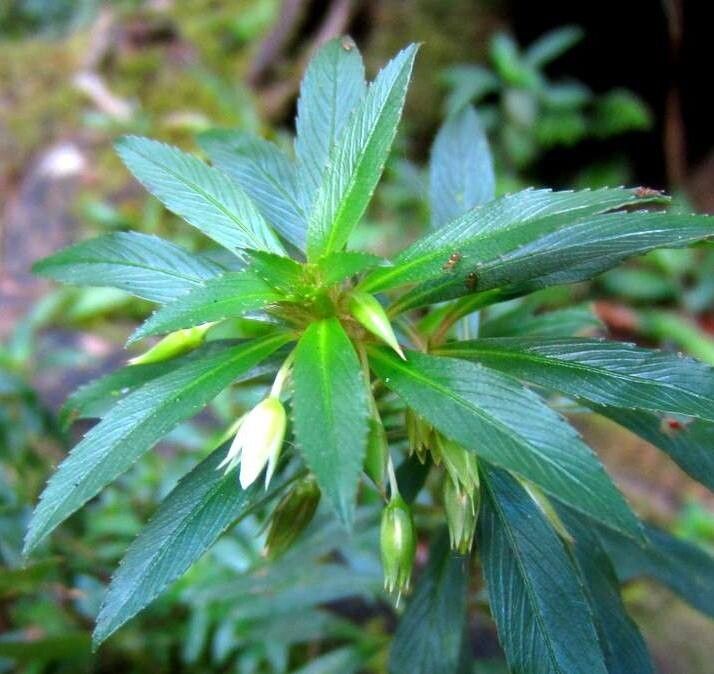
Oh, Sauvagesia erecta! If you’re looking for a little spark of sunshine in your garden with those gorgeous, delicate blooms, you’ve picked a real winner. I’ve been growing and sharing this little gem for years, and I can tell you, propagating it is one of the most satisfying things you can do. It’s not incredibly difficult, but it does have its nuances, which makes the success all the sweeter!
The Best Time to Start
For me, the sweet spot for propagating Sauvagesia erecta is right as the plant is really hitting its stride in the growing season. Think late spring or early summer. You want to take cuttings when the plant is actively growing, not when it’s stressed or dormant. That vigorous energy makes for happy rooting.
Supplies You’ll Need
Here’s what I always have on hand when I’m getting ready to propagate:
- Sharp pruning shears or a clean knife: A clean cut is vital.
- Rooting hormone (optional but recommended): A good quality rooting powder or gel can really boost your success rates.
- Potting mix: I like a 50/50 blend of perlite and a good quality seed-starting mix. It needs to be free-draining.
- Small pots or seed trays: Whatever you’ve got that’s clean and has drainage holes will work.
- Plastic bags or a propagator lid: To keep humidity up.
- Watering can with a fine rose: For gentle watering.
Propagation Methods
Sauvagesia erecta is quite forgiving, and I’ve had the most luck with stem cuttings. It’s straightforward and usually gives fantastic results.
- Select your stems: Look for healthy, non-flowering stems. You want pieces that are at least 4-6 inches long. Gently bend one – if it snaps cleanly, it’s usually a good candidate.
- Make the cut: Using your sharp shears or knife, take clean cuttings just below a leaf node. A node is where a leaf attaches to the stem. This is where the magic happens for root formation.
- Prepare the cuttings: Gently remove the lower leaves from your cuttings. You want to expose the nodes where you’ll be looking for roots to form. If the remaining leaves are very large, you can even snip them in half to reduce water loss.
- Dip and plant: Dip the cut end of each cutting into your rooting hormone. Tap off any excess. Then, make a small hole in your prepared potting mix and gently insert the cutting, ensuring at least one node is buried. Firm the soil around it.
- Water gently: Water thoroughly but gently, using your fine-rose watering can. You want the soil to be moist but not waterlogged.
- Create a humid environment: This is key! Cover your pots or trays with a plastic bag or a propagator lid. This traps moisture and creates the humid microclimate that cuttings love. Make sure the leaves aren’t touching the plastic too much if possible – a little air circulation is good.
The “Secret Sauce” (Pro Tips)
Here are a couple of things I’ve learned over the years that make a real difference:
- Bottom heat is your friend! If you have a heated propagator mat, pop your pots on it. A little warmth from below encourages those roots to develop much faster. It’s like a cozy foot spa for your cuttings.
- Don’t over-handle them. Once your cuttings are planted, try to resist the urge to poke and prod them constantly. Let them settle in and do their thing. Patience is, as always, a gardener’s greatest virtue.
Aftercare & Troubleshooting
Once your cuttings have rooted – you’ll typically see new growth appearing, sometimes in as little as 3-4 weeks – it’s time for a bit more attention.
- Acclimatize them slowly: Gradually remove the plastic bag or lid over a few days. Let them get used to the drier air.
- Move to brighter light: Once they’re established, they’ll want similar bright, indirect light to the parent plant.
- Water when the top inch of soil feels dry. They’re still a bit more delicate than mature plants.
The most common sign of trouble is rot. If your cutting turns mushy or black, it’s likely from too much moisture and not enough air circulation. If you see this, try to remove the affected cutting immediately and ensure your remaining ones are in well-draining soil and have good airflow.
A Encouraging Closing
Propagating Sauvagesia erecta is a delightful journey. It’s about nurturing potential, and there’s such a thrill when you see those first tiny roots or new leaves unfurl. Don’t be discouraged if every single cutting doesn’t make it; that’s part of the learning process. Just enjoy the act of gardening, the experimentation, and soon you’ll have a whole little crew of beautiful Sauvagesia to share with friends or fill your own space with colour. Happy propagating!
Resource:
https://identify.plantnet.org/k-world-flora/species/Sauvagesia%20erecta%20L./data