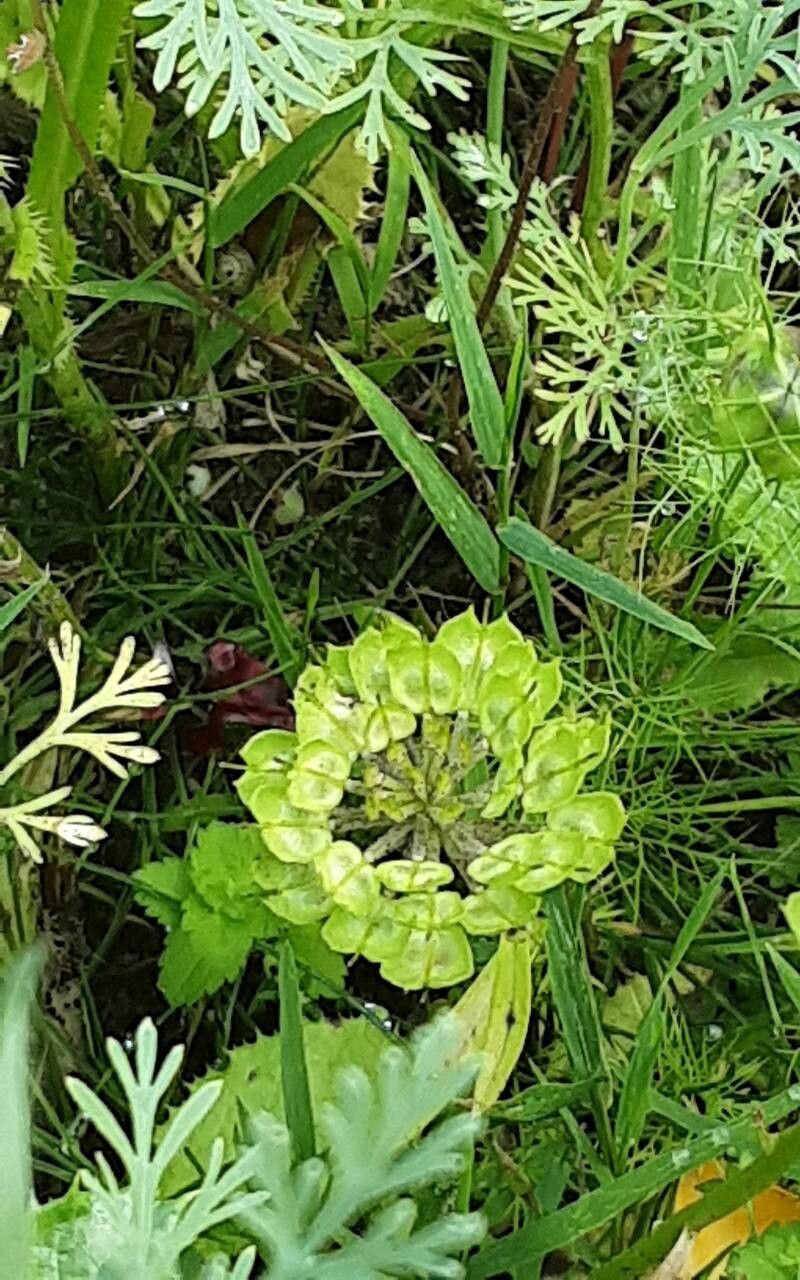
Hello there, fellow garden enthusiasts! Today, I want to chat about a little bloom that brings so much joy to my spring garden: Iberis umbellata, or Candytuft. Its clusters of pure white flowers are just dazzling, like a carpet of fresh snow. And the best part? You can easily fill your garden with more of them! Propagating Candytuft is incredibly rewarding, and I’m happy to say, it’s a fantastic plant for beginners to get their hands dirty with.
The Best Time to Start
For Iberis umbellata, I find the early spring is your best bet. Think of it as when everything else is just waking up. You want to get started once the danger of hard frost has passed, but before the plant gets too busy with flowering. Aim for late March to April here in my neck of the woods. You can also try in late summer, after the main flush of blooms has faded, to get a head start on the next season.
Supplies You’ll Need
Gathering your tools before you begin makes everything go so much smoother. Here’s what I usually have on hand:
- A sharp, clean pair of pruning shears or sharp scissors. Cleanliness is key to preventing disease.
- Seed-starting mix or a well-draining potting mix. I’m a fan of a mix with perlite or vermiculite for good aeration.
- Small pots or trays with drainage holes.
- A spray bottle for misting.
- (Optional) Rooting hormone. While Candytuft often roots readily without it, it can give you an extra boost.
- A dibber or a pencil to make holes for seeds or cuttings.
- A labels and a permanent marker to keep track of your efforts!
Propagation Methods
Iberis umbellata is wonderfully versatile, and you can propagate it in a couple of easy ways.
1. From Seed (The Most Common & Easiest)
This is how I usually start dozens of new plants.
- Prepare your pots or trays. Fill them with your chosen seed-starting mix, pressing it down gently.
- Sow the seeds. Iberis umbellata seeds are quite tiny. You can sprinkle them thinly over the surface of the soil. You don’t need to bury them very deep, just a light dusting of soil or vermiculite will do.
- Water gently. Use your spray bottle to moisten the soil. You want it damp, not waterlogged.
- Provide warmth and light. Place your containers in a warm spot, like a sunny windowsill or a greenhouse. A bit of bottom heat can really speed things up.
- Be patient! You should see germination in about 10 to 20 days. Keep the soil consistently moist.
- Thin seedlings. Once they have a few true leaves, thin them out, leaving the strongest seedlings spaced about 2-3 inches apart.
- Transplant. When your seedlings are large enough to handle and have developed a good root system, you can transplant them into individual pots or directly into your garden.
2. From Cuttings (A Little More Involved, but Rewarding!)
This method works best when taken from healthy, non-flowering stems.
- Take cuttings. In late spring or early summer, select a healthy stem that isn’t flowering. Using your sharp shears, take a cutting about 3-4 inches long. Make sure the cut is just below a leaf node.
- Prepare the cutting. Gently remove the lower leaves from the cutting, leaving just a few at the top. If you’re using rooting hormone, dip the cut end into it now.
- Pot them up. Fill small pots with your well-draining mix. Make a hole with a dibber or pencil and insert the cutting, ensuring the leaf nodes are buried. Firm the soil around it.
- Water and cover. Water gently and then cover the pot with a clear plastic bag or a propagator lid to create a humid environment. This is crucial!
- Provide warmth and indirect light. Place them in a bright spot but out of direct, harsh sun.
- Check for roots. It can take 3-6 weeks for the cuttings to root. You can gently tug on a leaf – if there’s resistance, you’ve got roots!
- Harden off. Once rooted, gradually acclimate them to outdoor conditions before planting them out.
The “Secret Sauce” (Pro Tips)
Here are a few little tricks I’ve learned over the years that make a difference:
- If you’re doing water propagation with cuttings (though I prefer soil for Iberis), never let the leaves touch the water. They’ll just rot. Only the stem should be submerged. This is also why well-draining soil is so important when not using water.
- For cuttings, using a bit of bottom heat can massively speed up root development. A heated propagator mat or even placing pots on top of a regularly used appliance can create that consistent warmth.
- Don’t be afraid to experiment with the timing a bit. While spring is ideal, an observant gardener can often catch a plant at the perfect stage for propagation at other times too.
Aftercare & Troubleshooting
Once your little Iberis seedlings or rooted cuttings start to grow, treat them with tender loving care!
- Water regularly, but avoid soggy soil – that’s the quickest way to invite trouble. Let the top inch of soil dry out slightly between waterings.
- As they grow, you can begin feeding them with a diluted liquid fertilizer every few weeks.
- Keep an eye out for any signs of rot, which usually look like mushy, discolored stems or leaves. If you see this, remove the affected parts immediately to prevent it from spreading. Good drainage and not overwatering are your best defenses against rot.
- If your seedlings are getting leggy, meaning they’re stretching tall and thin, it means they need more light. Move them to a brighter spot.
A Encouraging Closing
Growing your own plants from seed or cuttings is such a fulfilling experience. It connects you to the rhythm of nature and gives you a true “green thumb” satisfaction. Be patient with your new Iberis umbellata babies. Some will take off more quickly than others, and that’s perfectly okay. Enjoy the process, celebrate every little sprout, and soon you’ll have a whole garden bursting with beautiful Candytuft! Happy growing!
Resource:
https://identify.plantnet.org/k-world-flora/species/Iberis%20umbellata%20L./data