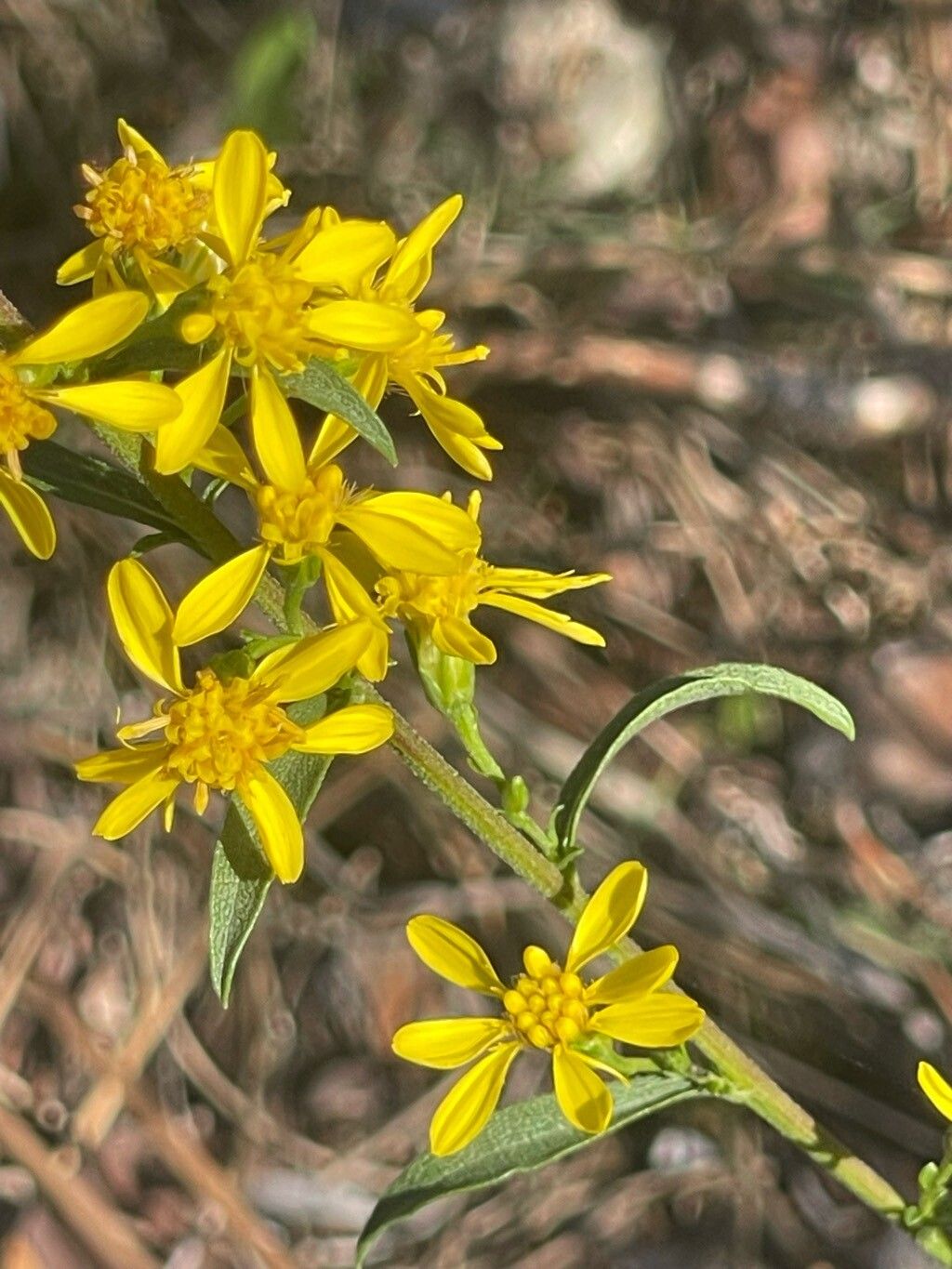
Oh, hello there! Come on in, pull up a chair. I’ve got a lovely mug of chamomile steaming here, and I thought we could chat about a plant that’s really captured my heart over the years: Solidago virgaurea, or as many of us know it, European Goldenrod.
Why You’ll Love Propagating Goldenrod
There’s something truly special about watching a tiny piece of a plant grow into a whole new one. With Goldenrod, it’s especially rewarding. This plant is a beacon of sunshine in the garden with its tall spikes of cheerful yellow flowers. It’s a magnet for pollinators, too – think bees and butterflies buzzing around your yard. And the best part? Propagating it is wonderfully straightforward, even for relative beginners. You’ll be amazed at how easy it is to share this beauty with friends or simply expand your own sunny display.
The Best Time to Start
Timing is everything in gardening, wouldn’t you agree? For Solidago virgaurea, your sweet spot for propagation is late spring or early summer. This is when the plant is actively growing, but before it gets too stressed by the peak heat of summer. You’re looking for new, non-flowering shoots. If you miss this window, don’t fret! You can also propagate from divisions in early spring as soon as the ground thaws, or in fall after the flowering season has passed and the dust has settled.
Supplies You’ll Need
Before we get our hands dirty, let’s gather our tools. You don’t need much, but having everything ready makes the process so much smoother.
- Sharp pruning shears or a clean knife: For making neat cuts.
- Seed-starting mix or a well-draining potting mix: Something light and airy is key. I often add a bit of perlite to my usual mix.
- Small pots or trays: Terracotta pots breathe well, but plastic works too.
- Watering can or spray bottle: For gentle watering.
- Optional: Rooting hormone: While not always necessary for Goldenrod, it can give you a little boost.
- Optional: Plastic bags or domes: To create a mini-greenhouse effect.
Propagation Methods: Let’s Get Growing!
I’ve had great success with a couple of methods for Goldenrod. Here’s how I do it:
1. Stem Cuttings: The Classic Approach
This is my go-to for increasing my stock quickly.
- Take your cuttings: On a bright, pleasant day, select a healthy stem that’s about 4-6 inches long. Make a clean cut just below a leaf node (that little bump where a leaf grows from the stem). Remove the lower leaves, leaving just a couple at the very top.
- Prepare the cutting: If you’re using rooting hormone, dip the cut end into it. Tap off any excess.
- Plant your cuttings: Fill your small pots with your prepared soil mix. Make a small hole with your finger or a pencil. Gently insert the cut end of the stem into the hole, firming the soil around it to ensure good contact.
- Water gently: Water thoroughly, but avoid waterlogging the soil. A light misting from a spray bottle is often best initially.
- Create a humid environment: Cover the pots loosely with a plastic bag or a clear dome. This will help keep the cuttings from drying out. Make sure the leaves don’t touch the plastic, if possible. Place them in bright, indirect light.
2. Division: A Quick Fix for Established Plants
If you have an older, established Goldenrod clump, division is a fantastic way to revitalize it and get more plants.
- Dig up the plant: In early spring or fall, carefully dig up the entire plant. You’ll want to get as much of the root system as you can.
- Separate the roots: Gently shake off excess soil. You can often pull or tease apart the root ball with your hands. If it’s a bit stubborn, a clean spade or knife can help you divide it into sections. Aim for each section to have several healthy shoots and a good amount of root.
- Replant immediately: Dig new holes in your garden or pots, and replant your divisions. Water them in well.
The “Secret Sauce” – My Insider Tips
Now, these aren’t exactly earth-shattering secrets, but a few little tricks I’ve learned can make all the difference.
- Bottom Heat is Your Friend (for cuttings): If you’re really keen on getting those cuttings to root quickly, especially if the weather is cool, a heat mat placed underneath your pots can work wonders. It encourages root development from below.
- Don’t Drown Them: While cuttings and divisions need moisture, they absolutely hate sitting in soggy soil. Good drainage is paramount. If you see water pooling on the surface after watering, your soil mix might be too heavy.
- Be Patient with the Air: When using those plastic bags to create humidity, open them up for a few minutes each day to allow for some air circulation. This helps prevent fungal issues.
Aftercare & Troubleshooting
Once your cuttings have started to put on a bit of new growth, or your divisions are settled, you’re on the home stretch!
- Gradually Acclimate: Once you see good signs of life, slowly start to acclimate your new plants to less humid conditions. Gradually open up the plastic bags over a week or so.
- Regular Watering (but not too much!): Continue to water when the top inch of soil feels dry. Avoid letting them dry out completely, but don’t let them sit in water.
- Troubleshooting Woes: The most common culprit for failure is rot, usually from overwatering or poor drainage. If you see stems turning mushy and black, or the soil smells sour, it’s a sign of trouble. Sometimes you can save a cutting by trimming off the rotted part and replanting the healthy section in fresh, dry soil. Yellowing leaves that aren’t mushy can sometimes indicate they’re not getting enough light, or they are simply struggling to establish.
Go Forth and Grow!
You’ve got this! Propagating Solidago virgaurea is a beautiful way to connect with nature and fill your garden with that wonderful golden glow. Don’t be discouraged if your first few attempts aren’t perfect. Gardening is a journey, and each seed, cutting, or division is a lesson learned. Enjoy the process, be patient, and soon you’ll have a garden brimming with these delightful blooms. Happy gardening!
Resource:
https://identify.plantnet.org/k-world-flora/species/Solidago%20virgaurea%20L./data