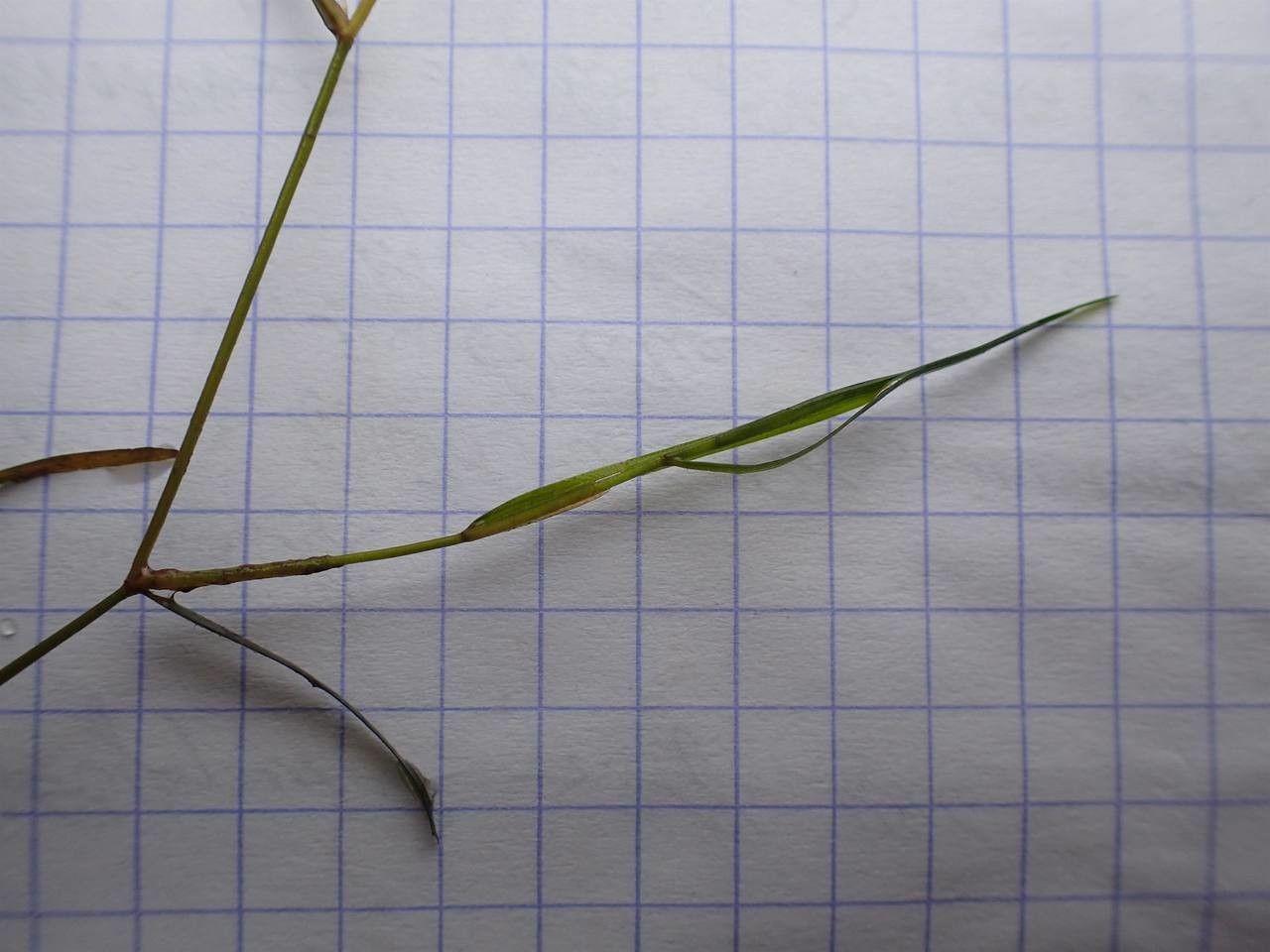
Hello fellow plant lovers! I’m so excited to talk to you today about one of my absolute favorite aquatic gems: Potamogeton berchtoldii, or as it’s more commonly known, Berchtold’s Pondweed. This little beauty brings such a delicate, natural charm to any water garden. Its slender leaves and graceful swaying motion are just mesmerizing to watch. And the best part? It’s surprisingly accessible for even us beginner pond keepers! Propagating it yourself is a wonderfully rewarding way to fill your water space without breaking the bank, and it gives you a real sense of accomplishment.
The Best Time to Start
For Potamogeton berchtoldii, the sweet spot for propagation is definitely during its active growing season. Think late spring through mid-summer. This is when the plant is full of energy, pushing out new growth, which means it’s most receptive to rooting. You’ll notice vibrant green shoots and a general sense of vigor. Trying to propagate when it’s dormant or stressed is just asking for potential disappointment.
Supplies You’ll Need
Gathering your supplies beforehand makes the whole process so much smoother. Here’s what you’ll want to have on hand:
- Sharp pruning shears or scissors: For clean cuts.
- Containers: Small pots, propagation trays, or even jars will work.
- Substrate (if not water propagating): A mix of aquarium soil or a sandy loam.
- Tweezers or long-handled forceps: For delicate placement.
- Fresh, healthy cuttings: The star of the show!
- Clean water: For rinsing cuttings and for water propagation.
- (Optional) Rooting hormone: While not strictly necessary for this plant, it can give a little boost.
Propagation Methods
Berchtold’s Pondweed is wonderfully forgiving, and we can use a couple of easy methods to get more of it.
Stem Cuttings
This is probably my go-to for Potamogeton berchtoldii. It’s quick, effective, and gives you almost immediate results.
- Select a healthy stem: Look for a vibrant, green stem that’s at least 3-4 inches long. It should have a few leaves on it.
- Make a clean cut: Using your sharp shears, make a clean cut just below a leaf node (where a leaf attaches to the stem). You can take multiple cuttings from a single healthy plant.
- Prepare the cutting: If you’re using rooting hormone, dip the cut end into it. Gently remove any leaves from the bottom inch or so of the stem. This prevents them from rotting submerged in water or substrate.
- Planting (Option A: Water Propagation): Place the prepared cutting directly into a jar or container filled with clean, dechlorinated water. You can let the leaves float on the surface.
- Planting (Option B: Substrate Propagation): Gently push the cut end of the stem about an inch deep into your chosen substrate in a small pot or tray. Make sure at least one leaf node is submerged.
Division
If your Potamogeton berchtoldii has grown into a nice clump, division is a fantastic way to share its bounty.
- Gently remove the plant: Carefully take the entire plant and its root mass out of its container or the pond.
- Inspect the roots: Gently shake off excess substrate to get a good look at the root ball.
- Separate the divisions: Look for natural growth points where the plant has branched out. You can often gently pull these apart with your hands. If a section is stubborn, use your sharp shears to make a clean cut, ensuring each new piece has healthy roots and at least one shoot.
- Replant immediately: Place your new divisions back into pots with substrate or directly into your pond.
The “Secret Sauce” (Pro Tips)
Now, for a couple of my little tricks that I’ve learned over the years.
- Keep it clean, keep it flowing: For water propagation, use good quality, mature pond water or dechlorinated tap water. Avoid tap water that’s too harsh. Also, a little bit of gentle water movement, like from a small filter or air stone nearby, can really help oxygenate the water and encourage rooting.
- Don’t overcrowd: When you’re starting multiple cuttings in one container, give them a little breathing room. Overcrowding can lead to fungal issues and poor air circulation, which is the last thing we want for our delicate new shoots.
Aftercare & Troubleshooting
Roots will start to appear within a few weeks, and you’ll see new shoots emerging. For water propagation, you can leave them in the jar until the root system is robust enough to transfer to a pot with substrate, or simply leave them to grow in the water if that’s your goal. If planted in substrate, keep the soil consistently moist.
The biggest thing to watch out for is rot. If your cuttings turn yellow, mushy, or develop black spots, it’s a sign that conditions aren’t quite right. Too much decaying matter in the water, or overly soggy substrate without good drainage, can lead to this. In such cases, remove the affected cutting immediately to prevent it from spreading. Sometimes, a rot issue means starting over with fresh cuttings in cleaner conditions.
A Encouraging Closing
Propagating Potamogeton berchtoldii is such a simple pleasure. Be patient with your new plant babies, and enjoy the process of watching them grow and thrive. Think of it as lending a helping hand to nature, and before you know it, your pond will be graced with even more of this wonderful aquatic greenery! Happy planting!
Resource:
https://identify.plantnet.org/k-world-flora/species/Potamogeton%20berchtoldii%20Fieber/data