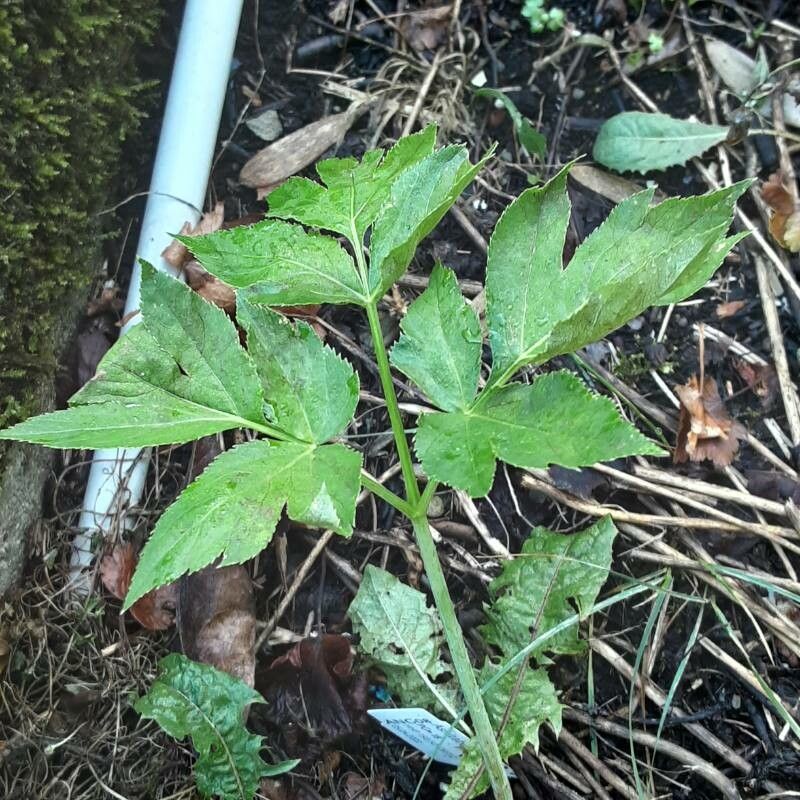
Hello there, fellow garden enthusiasts! It’s so lovely to have you join me today. We’re diving into the wonderful world of propagating Angelica keiskei, a plant that truly has a special place in my heart – and hopefully yours too! This isn’t just any herb; it’s known for its incredible health benefits and its lush, architectural form. Watching those feathery leaves unfurl and knowing you grew it yourself from a tiny cutting or division? Pure gardening joy, I tell you. Now, if you’re wondering if this is a project for beginners, I’d say it’s moderately easy. A little patience and the right approach will see you succeed.
The Best Time to Start
For Angelica keiskei, spring is your best friend. When the plant is just starting to wake up from its winter slumber, typically late March to early May, is when it’s most vigorous. The sap is flowing, energy levels are high, and new growth is readily available for propagation. Trying to take cuttings or divide in the heat of summer or the chill of autumn can be a bit more challenging.
Supplies You’ll Need
Before we get our hands dirty, let’s gather our trusty companions:
- Sharp Pruning Shears or a Knife: Clean cuts are crucial for healthy healing and rooting.
- Perlite: This volcanic glass helps with drainage and aeration.
- Peat Moss or Coconut Coir: These provide a good base for moisture retention.
- A Well-Draining Potting Mix: A 50/50 blend of peat moss/coir and perlite works beautifully.
- Rooting Hormone (Optional but Recommended): For an extra boost, especially with stem cuttings.
- A Small Pot or Tray: For your new cuttings or divisions.
- Clear Plastic Bag or Dome: To create a humid environment.
- Water: For keeping things moist.
- Labels: To remember what you’ve planted!
Propagation Methods
Let’s get down to the nitty-gritty of how we can multiply our Angelica keiskei plants.
Stem Cuttings
This is a popular and effective method.
- Take Cuttings: In the spring, select healthy, non-flowering stems. Look for stems that are about 4-6 inches long and have at least two or three sets of leaves. Use your sharp pruning shears to make a clean cut just below a leaf node (where a leaf emerges from the stem).
- Prepare the Cuttings: Gently remove the lower leaves, leaving just the top two or three leaves. You can cut these larger leaves in half to reduce water loss through transpiration.
- Apply Rooting Hormone: If you’re using rooting hormone, dip the cut end of the stem into the powder or gel. Gently tap off any excess.
- Plant the Cuttings: Fill your small pot or tray with your well-draining potting mix. Make a hole in the center with your finger or a pencil. Insert the cutting into the hole, ensuring the leaf nodes are buried in the soil. Gently firm the soil around the stem.
- Create Humidity: Lightly water the soil. Then, cover the pot with a clear plastic bag or a propagator lid. This traps moisture and creates the humid environment cuttings need to root.
Division
If you have an established Angelica keiskei plant, division is a straightforward way to get new plants.
- Gently Excavate: In early spring, carefully dig up your mature plant. Try to disturb the roots as little as possible.
- Inspect the Root Ball: You’ll see that the plant has a central crown with multiple stems originating from it. Look for natural divisions where you can clearly see separate root systems.
- Make the Division: Using a sharp knife or trowel, carefully cut through the root ball to separate sections. Each division should have a good amount of roots and at least one healthy stem or bud.
- Replant Immediately: Pot up your divisions into well-draining potting mix, planting them at the same depth they were previously growing. Water them in well.
The “Secret Sauce” (Pro Tips)
Here are a few little tricks I’ve picked up over the years that can really make a difference:
- Bottom Heat is Your Friend: For stem cuttings, placing your pot on a gentle heat mat can significantly speed up the rooting process. It mimics the warmth of spring soil and encourages root development from below.
- Don’t Let Leaves Touch Water: If you’re trying water propagation for Angelica keiskei (though cuttings in soil are generally more successful), always make sure that no leaves are submerged in the water. They will rot and take your cutting with them. Only the stem should be in contact with the water.
- Be Patient with the Soil Mix: I can’t stress enough how important good drainage is. If your soil is too wet, your cuttings will rot before they even have a chance to root. That perlite is not just there for show; it’s your best defense against soggy roots!
Aftercare & Troubleshooting
Once your cuttings show signs of growth – new leaves appearing at the top is a good indicator – they’re likely starting to root.
- Acclimatization: Gradually introduce your new plants to drier air. Start by opening the plastic bag for a few hours each day. Once they seem happy, you can remove the cover completely.
- Light: Place your newly rooted plants in a spot that receives bright, indirect light. Avoid direct sun, which can scorch tender new growth.
- Watering: Keep the soil consistently moist but not waterlogged. Water when the top inch of soil feels dry to the touch.
- Rot: The most common problem is rot. If your cuttings turn black and mushy at the base, or if the leaves start to wilt and yellow significantly without any new growth, it’s a sign that it’s too wet or there’s a lack of air circulation. Sadly, if rot sets in, it’s usually difficult to recover the cutting.
A Little Encouragement
So there you have it! Propagating Angelica keiskei is a deeply satisfying part of gardening. It takes a bit of practice, and not every cutting will make it, but that’s part of the learning curve. Be brave, try these methods, and enjoy the process of nurturing new life. Happy gardening, everyone!
Resource:
https://identify.plantnet.org/k-world-flora/species/Angelica%20keiskei%20(Miq.)%20Koidz./data