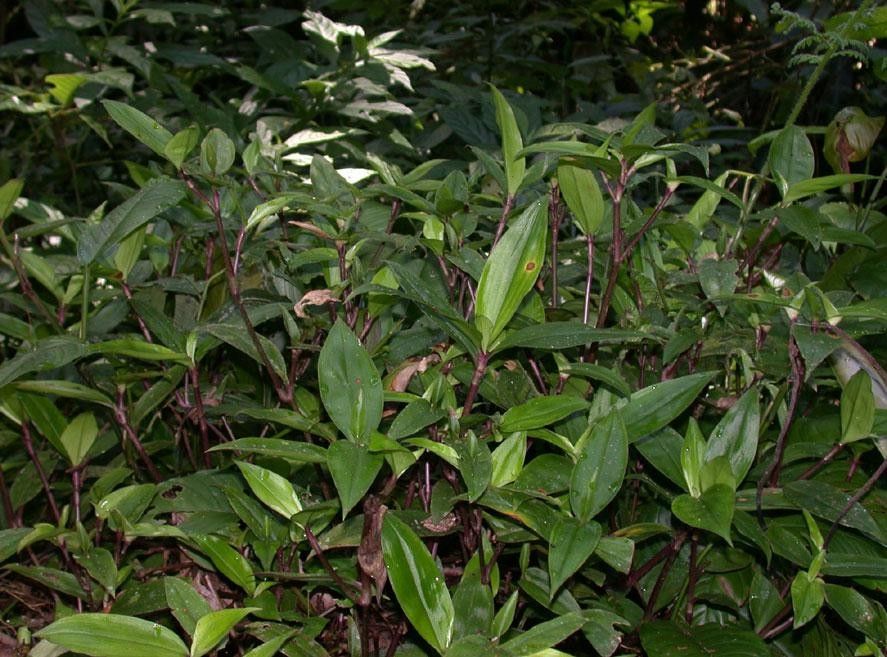
Oh, hello there! Come on in, pull up a chair. I’ve got a pot of tea brewing, and I’m so excited to chat with you about one of my favorite plants: the Tradescantia schippii, often affectionately called the “Hickory Leaf” Wandering Jew or Inch Plant.
Why You’ll Love Propagating Tradescantia schippii
There’s something incredibly satisfying about turning a single plant into many. Tradescantia schippii makes it wonderfully easy, too. Its trailing vines and pretty, often striped leaves bring such gorgeous movement and color to any space, whether it’s hanging from a basket or spilling over a shelf. And the best part? Propagating this beauty is remarkably straightforward, making it a perfect project for even the most novice of gardeners. You’ll be sharing little bits of green goodness with friends in no time!
When to Get Growing
The absolute best time to start propagating your Tradescantia schippii is during the active growing season. For most of us, this means late spring through early fall. During these warmer months, the plant is bursting with energy, and your cuttings will have the best chance of rooting quickly. You can also propagate them in spring after the last frost if you’re in a colder climate.
Your Propagation Toolkit
Gathering your supplies is half the fun, isn’t it? Here’s what you’ll want to have on hand:
- Sharp Pruning Shears or Scissors: Cleanliness is key to preventing disease.
- Healthy Parent Plant: Look for vigorous, disease-free stems.
- Small Pots or Propagation Trays: About 3-4 inches in diameter are perfect to start.
- Well-Draining Potting Mix: A blend of potting soil and perlite or coarse sand works wonderfully. You can also use a seed starting mix.
- Rooting Hormone (Optional but Recommended): This little helper can speed up the process. Gel or powder forms are fine.
- Watering Can or Spray Bottle: For gentle watering.
- Clear Plastic Bags or a Humidity Dome: To create a mini greenhouse effect.
Easy Peasy Propagation Methods
Tradescantia schippii is a dream to propagate, and here are my go-to methods:
Propagation by Stem Cuttings
This is my absolute favorite and typically the most successful method.
- Select Your Cuttings: Look for healthy stems on your mature plant. You want cuttings that are at least 4-6 inches long.
- Make Your Cut: Using your clean shears, make a cut just below a leaf node. A leaf node is where a leaf emerges from the stem. This is where roots will form. It’s a good idea to remove the lower leaves from your cutting, leaving just a few at the top.
- Apply Rooting Hormone (If Using): Dip the cut end of the stem into your rooting hormone, tapping off any excess.
- Plant Your Cuttings: Fill your small pots with your well-draining potting mix. Make a little hole with your finger or a pencil, and gently insert the cut end of the stem. Firm the soil around it. You can plant a few cuttings per pot for a fuller look.
- Water Gently: Water the soil lightly.
Water Propagation
This method is visually rewarding as you can see the roots grow!
- Prepare Your Cuttings: Just as you would for soil propagation, take healthy stem cuttings that are 4-6 inches long and remove the lower leaves.
- Place in Water: Fill a clean jar or glass with room-temperature water. Place your cuttings in the water, ensuring that the leaf nodes are submerged, but no leaves are touching the water.
- Find a Bright Spot: Place the container in a bright location, but out of direct sunlight.
- Change the Water Regularly: Change the water every few days or when it starts to look cloudy. This prevents bacterial growth.
The “Secret Sauce” – My Insider Tips
Now, a few little tricks I’ve learned over the years that can really make a difference:
- Don’t Drown Your Cuttings: When water propagating, it’s crucial that no leaves dip into the water. Meaty leaves sitting in water will rot very quickly and can even kill your cutting before roots have a chance to form.
- Bottom Heat is Your Friend: If you’re serious about speeding things up, or if your propagating environment is a bit cool, try using a heat mat placed underneath your pots of soil cuttings. This gentle warmth encourages root development.
- Mist, Don’t Drench: Once your cuttings are planted in soil, they need consistent moisture, but not soggy feet. A light misting with a spray bottle is often better than heavy watering, especially in the initial stages.
Aftercare and Troubleshooting
Once you see new roots emerging – and you will, because Tradescantia schippii is so generous! – it’s time for a little more dedicated care.
- For soil-propagated cuttings: Continue to keep the soil lightly moist. You can gradually remove the plastic bag or humidity dome over a week to help the new plant acclimate to normal humidity. Once the roots are well-established (you can gently tug on a leaf and feel some resistance), you can transplant them into slightly larger pots.
- For water-propagated cuttings: Once the roots are about an inch long, you can carefully transplant them into pots filled with your well-draining potting mix. Water thoroughly after planting.
Now, what if things go wrong? The most common culprit is rot. This usually happens when cuttings are kept too wet, especially in cooler temperatures, or if they’re in stagnant water. If you see mushy, black stems or leaves, unfortunately, that cutting is likely a goner. Don’t get discouraged! Just start again with fresh cuttings and ensure your conditions are right.
Happy Propagating!
Taking cuttings and watching them grow into new, vibrant plants is one of the most rewarding aspects of gardening. Be patient with your new little Tradescantia schippii babies. They’re resilient little things, and before you know it, you’ll have an abundance of these beautiful trailers. Enjoy the process, and happy growing!
Resource:
https://identify.plantnet.org/k-world-flora/species/Tradescantia%20schippii%20D.R.Hunt/data