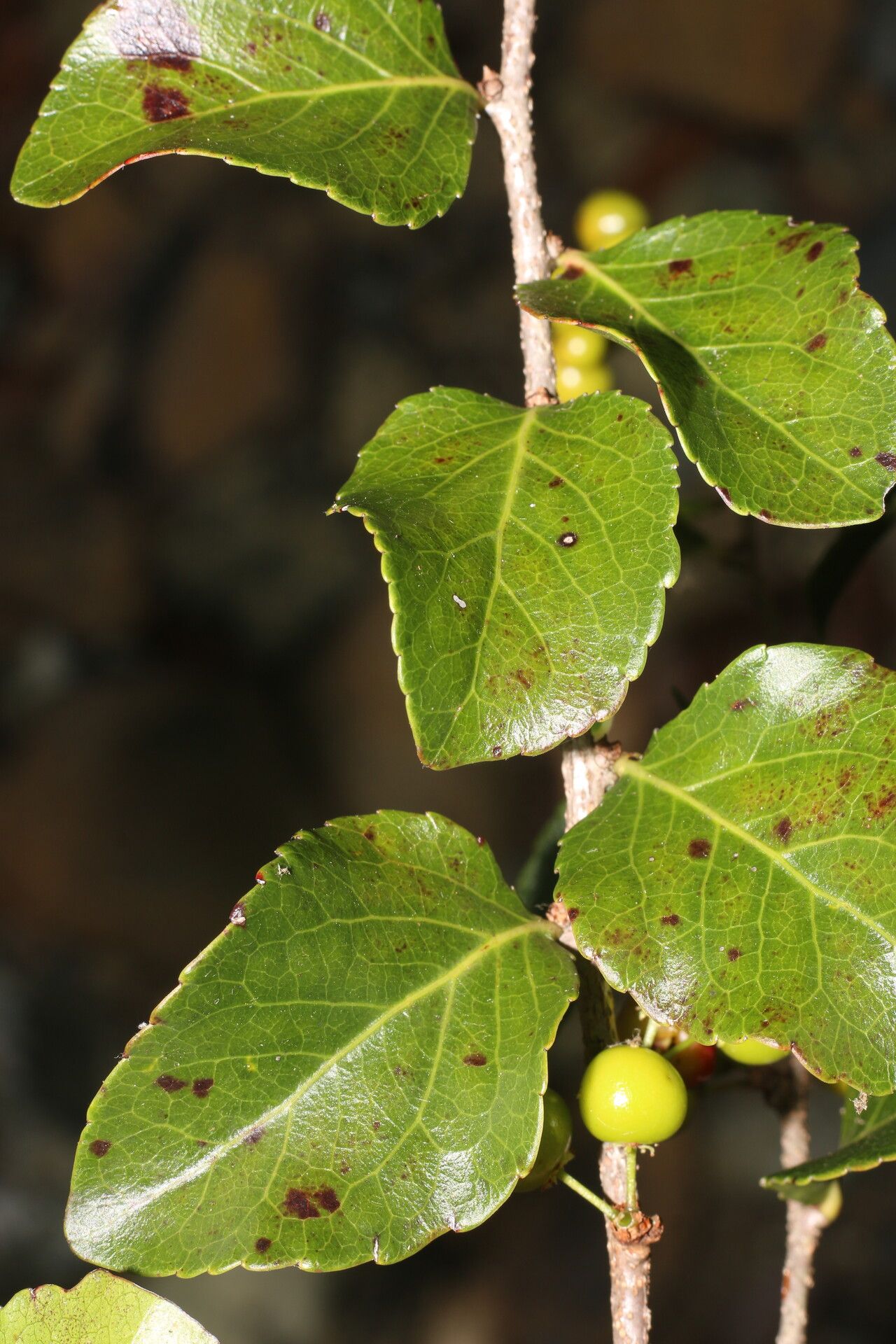
Oh, Xylosma horrida! What a fascinating shrub you are. With those glossy, dark green leaves and that intriguing thorny charm, it’s no wonder you’ve caught the eye of many gardeners. I’ve been growing and coaxing life out of plants for two decades now, and I can tell you, propagating Xylosma is one of those little triumphs that just warms the soul. It’s not overly challenging, even for those still finding their green thumb, which makes it a delightful project to take on.
The Best Time to Start
For the highest chance of success with our spiky friend, I always reach for the late spring or early summer months. This is when the plant is actively growing, full of vigor, and more eager to put out new roots. You’re looking for new, pliable stems, often called softwood cuttings. Avoid trying this with old, woody growth – those are much harder to get going.
Supplies You’ll Need
Before we dive in, let’s gather our arsenal. You’ll want:
- Sharp pruning shears or a clean knife: For making decisive cuts. Dull tools can crush valuable tissues.
- Rooting hormone: A little boost can make a big difference, especially for woody plants. Look for one that contains IBA.
- Small pots or trays: Clean ones are crucial! Reuse old pots after a good scrub if you like.
- A good propagation mix: This is key! I like a blend of perlite and peat moss or coco coir (about 50/50 ratio). It needs to be well-draining. You can also buy pre-made seedling or propagation mixes.
- A plastic bag or propagator lid: To create a humid environment.
- Water: For misting.
- Optional: Heat mat: This can really speed things up, but it’s not strictly necessary in warmer climates.
Propagation Methods: Stem Cuttings
This is my go-to method for Xylosma. It’s efficient and generally yields excellent results.
- Take Your Cuttings: Head out to your Xylosma plant in late spring or early summer. Look for those bright green, flexible new shoots. Select stems that are about 4-6 inches long. Make a clean cut just below a leaf node (where a leaf attaches to the stem). These nodes are where the magic happens, where roots are most likely to form.
- Prepare the Cuttings: Gently remove the leaves from the bottom half of each cutting. You want to expose the nodes that will be buried in the soil. If your cuttings have any flowers or developing buds, pinch those off too, as they divert energy from root development.
- Apply Rooting Hormone: Dip the cut end of each cutting into your rooting hormone. Tap off any excess. This step is really helpful!
- Plant Your Cuttings: Fill your small pots with your damp propagation mix. Make a small hole in the center of the mix with a pencil or your finger. Insert the rooting hormone-coated end of the cutting into the hole, ensuring at least a couple of nodes are below the soil surface. Gently firm the soil around the cutting to ensure good contact.
- Create Humidity: Water the soil lightly. Then, cover the pot with a clear plastic bag or place it inside a propagator lid. Make sure the leaves of the cuttings aren’t pressing against the plastic if possible. This traps moisture and creates a mini-greenhouse environment, which is vital for preventing dehydration. Place the pots in a bright spot, but out of direct sunlight.
The “Secret Sauce” (Pro Tips)
Here are a couple of things I’ve learned over the years that can really tip the scales in your favor:
- Bottom Heat is Your Friend: If you can, place your pots on a gentle heating mat. Xylosma, like many shrubs, really appreciates a bit of warmth from below, encouraging those roots to form more vigorously. You don’t want it to be baking hot, just a pleasant warmth, around 70-75°F (21-24°C) is ideal.
- Don’t Drown Them! Even though they need moisture, overwatering is the quickest way to kill a cutting. The propagation mix should be consistently moist, but never soggy. If you see water pooling at the bottom of the pot, empty it out. A light misting from above every few days, especially if the humidity drops, is usually sufficient, along with the trapped moisture from the bag.
Aftercare & Troubleshooting
You’ll know your Xylosma has rooted when you see new leaf growth or feel a gentle resistance if you try to tug lightly on the cutting. This usually takes anywhere from 4 to 8 weeks, sometimes longer.
Once they’ve rooted, you can gradually acclimate them to drier air. Start by opening the bag or propagator lid for a few hours each day. Eventually, you can remove it altogether. Continue to keep the soil consistently moist and the light bright but indirect.
Troubleshooting? The most common issue is rot. If your cuttings turn black and mushy, or the leaves start to yellow and fall off rapidly, it’s usually a sign of too much moisture and not enough air circulation. Unfortunately, these cuttings are often lost. Ensure good drainage and air circulation from the start. Another sign of failure is simply no action – no new growth, no roots. This can happen if the cuttings were taken too late in the season, weren’t healthy to begin with, or simply didn’t have the right conditions. Don’t get discouraged!
A Encouraging Closing
Propagating plants is a journey, and each plant teaches us something new. Be patient with your little Xylosma cuttings. Watch for those signs of life, and when you see that first tiny new leaf unfurl, you’ll know you’ve successfully coaxed another beautiful plant into existence. Happy gardening!
Resource:
https://identify.plantnet.org/k-world-flora/species/Xylosma%20horrida%20Rose/data