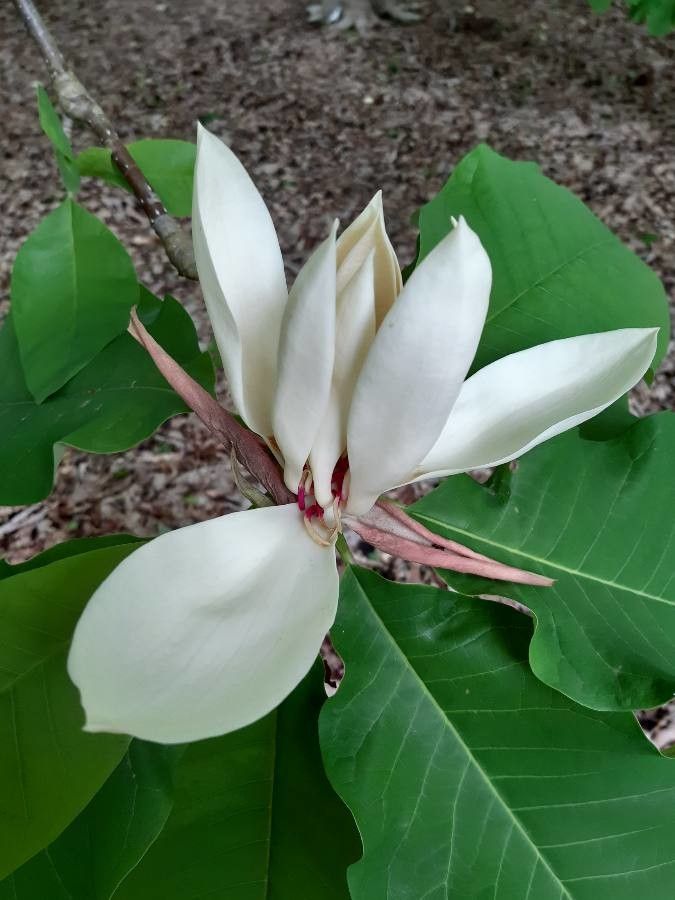
Oh, hello there! I’m so glad you’ve stopped by my little corner of the internet. Today, we’re diving into something truly special: propagating Magnolia officinalis. This tree, with its beautiful, fragrant blooms and its rich medicinal history, holds a special place in my heart. And the thought of creating new life from an existing one? Well, that’s just pure garden magic, isn’t it?
Now, I won’t sugarcoat it; propagating Magnolia officinalis isn’t quite as straightforward as propagating a common geranium. It takes a little more patience and understanding. But is it impossible for a beginner? Absolutely not! With a bit of guidance and a dash of horticultural optimism, you can definitely succeed. And the reward of nurturing a new magnolia from a tiny cutting or division is simply immense.
The Best Time to Start
For the highest chance of success, I’ve found that late spring to early summer is your sweet spot. Think May or June, when the plant is actively growing but before the summer heat fully sets in. This is when the new growth is still relatively soft and pliable, and it has a good reserve of energy to draw upon for rooting. You want to look for stems that have developed for a season or two, showing signs of hardening off but not yet fully woody.
Supplies You’ll Need
Gathering your tools before you begin makes the whole process so much smoother. Here’s what you’ll want to have on hand:
- Sharp Pruning Shears or a Craft Knife: Clean, sharp tools are non-negotiable for making clean cuts that heal well.
- Rooting Hormone: A powdered or liquid rooting hormone will give your cuttings a significant boost.
- Pots or Containers: Small to medium-sized pots with good drainage holes are essential.
- Well-Draining Potting Mix: A good blend for cuttings is crucial. I usually mix peat moss or coir with perlite or coarse sand in roughly equal parts. This ensures aeration and prevents waterlogging.
- Plastic Bags or a Clear Dome: To create a humid environment for your cuttings.
- Watering Can with a Fine Rose: For gentle watering.
- Gloves: Always a good idea when working with plants and soil.
- Labels: So you don’t forget what you’ve planted where!
Propagation Methods
Let’s get our hands dirty! There are a couple of tried-and-true ways to multiply your Magnolia officinalis.
Stem Cuttings
This is my go-to method for many woody plants, and it works well for magnolias with a little care.
- Take Your Cuttings: In late spring or early summer, select healthy, vigorous shoots that are about 6-8 inches long. Using your sharp shears, make a clean cut just below a leaf node. Remove the lower leaves, leaving just a couple at the very top.
- Prepare the Cutting: Gently scrape a small sliver of bark from one or two sides of the bottom inch of the stem. This exposes the cambium layer, which encourages rooting.
- Dip in Rooting Hormone: Moisten the cut end of the stem slightly with water, then dip it into your rooting hormone, tapping off any excess. Coat that scraped area thoroughly.
- Plant Your Cutting: Fill your small pots with the prepared potting mix and moisten it thoroughly. Make a hole in the center of the soil with your finger or a pencil, deep enough to accommodate the prepared part of the cutting. Gently insert the cutting, then firm the soil around it. Make sure no leaves are touching the soil line.
- Create Humidity: Water gently again. Then, cover the pot with a clear plastic bag, making sure it doesn’t touch the leaves of the cutting, or place it under a clear propagation dome. This traps moisture and keeps the humidity high. Pop the pot in a bright, but indirect light location.
Division (for Established Plants)
If you have a more mature Magnolia officinalis that’s grown into a clump, dividing it can be a wonderful way to create new plants.
- Dig Carefully: The best time to do this is usually in early spring, just as the plant is emerging from dormancy, or in the fall after the leaves have dropped. Gently dig around the base of the plant, trying to disturb the root ball as little as possible.
- Separate the Divisions: Once the root ball is exposed, you can carefully tease apart sections of the plant. Each division should have at least one healthy shoot and a good amount of root attached. You might need to use a sharp spade or a clean knife to help separate tougher sections.
- Replant Immediately: Pot up your divisions in well-draining soil or replant them directly into their new garden spots. Ensure cut roots are trimmed cleanly. Water thoroughly.
The “Secret Sauce” (Pro Tips)
Here are a few little tricks I’ve picked up over the years that can really make a difference:
- Bottom Heat is Your Friend: For stem cuttings, placing the pots on a heated propagation mat can significantly speed up root development. The warmth encourages the plant to send out roots while the leaves are still producing energy.
- Don’t Overwater: This is probably the most common mistake. Your cuttings need consistent moisture, but never soggy soil. Soggy soil leads to rot, and that’s curtains for your little green hopes. I always err on the side of slightly drier than drenched.
- Mist Regularly (but be smart): While a humid environment is key, direct misting onto leaves can sometimes encourage fungal issues if ventilation is poor. If you’re not using a dome, lightly misting the air around your cuttings a couple of times a day can be beneficial, especially in dry conditions.
Aftercare & Troubleshooting
Once you see signs of new growth on your cuttings – tiny new leaves unfurling – it’s a great indication that roots are forming!
- Acclimatize Gradually: When you see new growth, begin to gradually introduce your cuttings to more normal conditions. Open the plastic bag a little each day for a week or so, or lift the dome for increasing periods.
- Watering: Continue to keep the soil consistently moist but not wet. As the plant grows larger, you’ll need to pot it up into a slightly larger container.
- Signs of Trouble: The biggest villain to watch out for is rot. If your cutting turns mushy, dark brown or black, or the leaves wilt dramatically and stay wilted even when the soil is moist, it’s likely rotted. This usually points to overwatering or poor drainage. Unfortunately, once rot sets in, it’s very difficult to save the cutting. Another sign of failure is if the cutting simply dries out and dies back.
A Little Patience Goes a Long Way
Propagating Magnolia officinalis is a journey. There will be times when some cuttings don’t make it, and that’s perfectly normal. Don’t get discouraged! Celebrate the successes, learn from any setbacks, and most importantly, enjoy the process. There’s a deep satisfaction in nurturing a young plant from its very beginnings. Happy gardening!
Resource: