Hello, fellow garden enthusiasts!
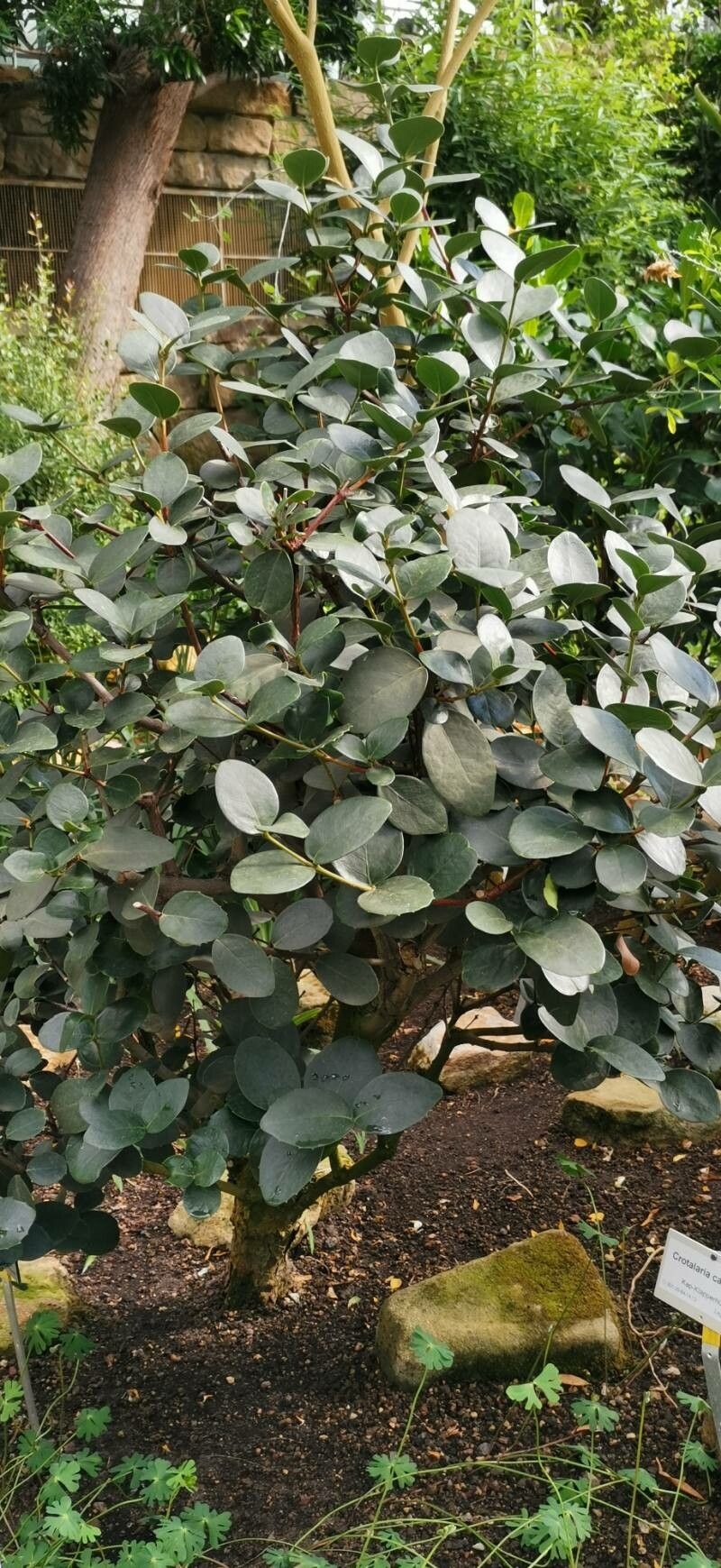
There’s something deeply satisfying about taking a little piece of a plant and watching it unfurl into a whole new life. Today, we’re going to talk about a plant that’s a bit of a gem – Maurocenia frangula. If you’re drawn to its unique charm, its lovely foliage, or perhaps its intriguing flowers, then propagating it yourself is an incredibly rewarding pursuit. Don’t be daunted; while it has its quirks, I find it to be a delightful project, even for those just finding their gardening feet.
The Best Time to Start
For Maurocenia frangula, I find the sweet spot for propagation is in late spring to early summer. This is when the plant is actively growing and has plenty of energy to put into forming new roots. You’re looking for stems that are semi-hardwood – they should be firm but still have a little flexibility. Avoid the very soft, new, floppy growth, and also the old, woody stems.
Supplies You’ll Need
To set yourself up for success, gather these essentials:
- Clean, sharp pruning shears or a sharp knife: For making clean cuts.
- Rooting hormone (powder or gel): While not always strictly necessary, it can give cuttings a significant boost.
- A well-draining potting mix: I like a blend of equal parts peat moss or coco coir and perlite or coarse sand. This ensures good aeration and prevents waterlogging.
- Small pots or seed trays: Clean pots are key to preventing disease.
- Plastic bags or a propagation dome: To create a humid environment.
- Labels: So you don’t forget what you’ve planted!
- A watering can or spray bottle: For gentle watering.
Propagation Methods
Let’s get our hands dirty with a couple of reliable methods:
Stem Cuttings
This is my go-to for Maurocenia frangula.
- Select your stems: As I mentioned, look for those semi-hardwood stems. You want cuttings that are about 4-6 inches long.
- Make the cut: Using your clean shears or knife, take cuttings from healthy, vigorous stems. Make the cut just below a leaf node (where a leaf attaches to the stem). This is where the rooting hormones are often most concentrated.
- Prepare the cutting: Gently remove the leaves from the lower half of the cutting. This prevents them from rotting in the soil or water. If the remaining leaves are very large, you can even cut them in half horizontally to reduce water loss through transpiration.
- Apply rooting hormone: Dip the bottom inch of the cutting into your rooting hormone. Tap off any excess.
- Plant the cuttings: Fill your small pots with your prepared potting mix. Make a small hole in the center with your finger or a pencil. Insert the cutting, ensuring the leaf nodes from which you removed leaves are submerged in the soil. Gently firm the soil around the cutting. You can usually fit 2-3 cuttings into a 4-inch pot.
- Water gently: Water the soil thoroughly but gently. You don’t want to wash the cuttings out.
- Create humidity: Cover the pots with a clear plastic bag or place them under a propagation dome. Ensure the plastic doesn’t touch the leaves. You can secure the bag with a rubber band around the pot.
Water Propagation (Use with Caution)
While I often prefer soil for Maurocenia frangula, water propagation can work.
- Prepare the cutting: Follow steps 1-3 from the stem cutting method.
- Place in water: Instead of planting in soil, place the prepared cuttings in a clear glass or jar of water. Make sure the leaf nodes are submerged, but never let the leaves themselves touch the water.
- Change the water regularly: Change the water every 2-3 days to keep it fresh and oxygenated, preventing bacterial growth.
- Watch for roots: You should start to see tiny white root nubs appearing within a few weeks.
The “Secret Sauce”
Here are a couple of my tried-and-true tricks:
- Bottom Heat is Your Friend: If you have the option, placing your pots on a heating mat designed for seedlings can significantly speed up root development. It mimics the warmth of spring soil and encourages those roots to form more readily.
- The Bag Trick: When covering your cuttings with a plastic bag, I like to poke a few small holes in the top of the bag. This allows for a bit of air circulation, preventing the environment from becoming too stagnant and reducing the risk of fungal issues.
Aftercare & Troubleshooting
Once you see new growth emerging from your cuttings, or if you gently tug on a cutting and feel resistance (signifying roots), it’s time for a bit of a transition.
- Acclimatize: If you used a plastic bag, gradually remove it over a few days, opening it a little more each day. This lets the new plant get used to the drier air.
- Potting Up: Once the roots are well-established and you have several inches of healthy growth, you can pot up your new Maurocenia frangula into its own individual pot using a good quality, well-draining potting mix.
- Watering: Water regularly, but allow the top inch of soil to dry out between waterings.
- Light: Place your newly potted plant in a spot with bright, indirect light. Avoid harsh direct sun for the first few weeks.
The most common problem you might encounter is rot. This is usually a sign of too much moisture and poor drainage. If you see mushy, black stems or leaves on your cuttings, unfortunately, they’ve likely succumbed to rot. Discard any affected cuttings immediately to prevent it from spreading. If you notice leaf drop without new growth, it might be that the cutting hasn’t rooted yet and is using up its stored energy, or the environment is too dry. Be patient!
A Little Something Extra
Happy propagating! Remember that gardening is a journey, and sometimes it takes a few tries. Don’t get discouraged if every cutting doesn’t make it. The joy is in the process, the learning, and the eventual delight of watching your new Maurocenia frangula thrive. Happy gardening!
Resource:
https://identify.plantnet.org/k-world-flora/species/Maurocenia%20frangula%20Mill./data