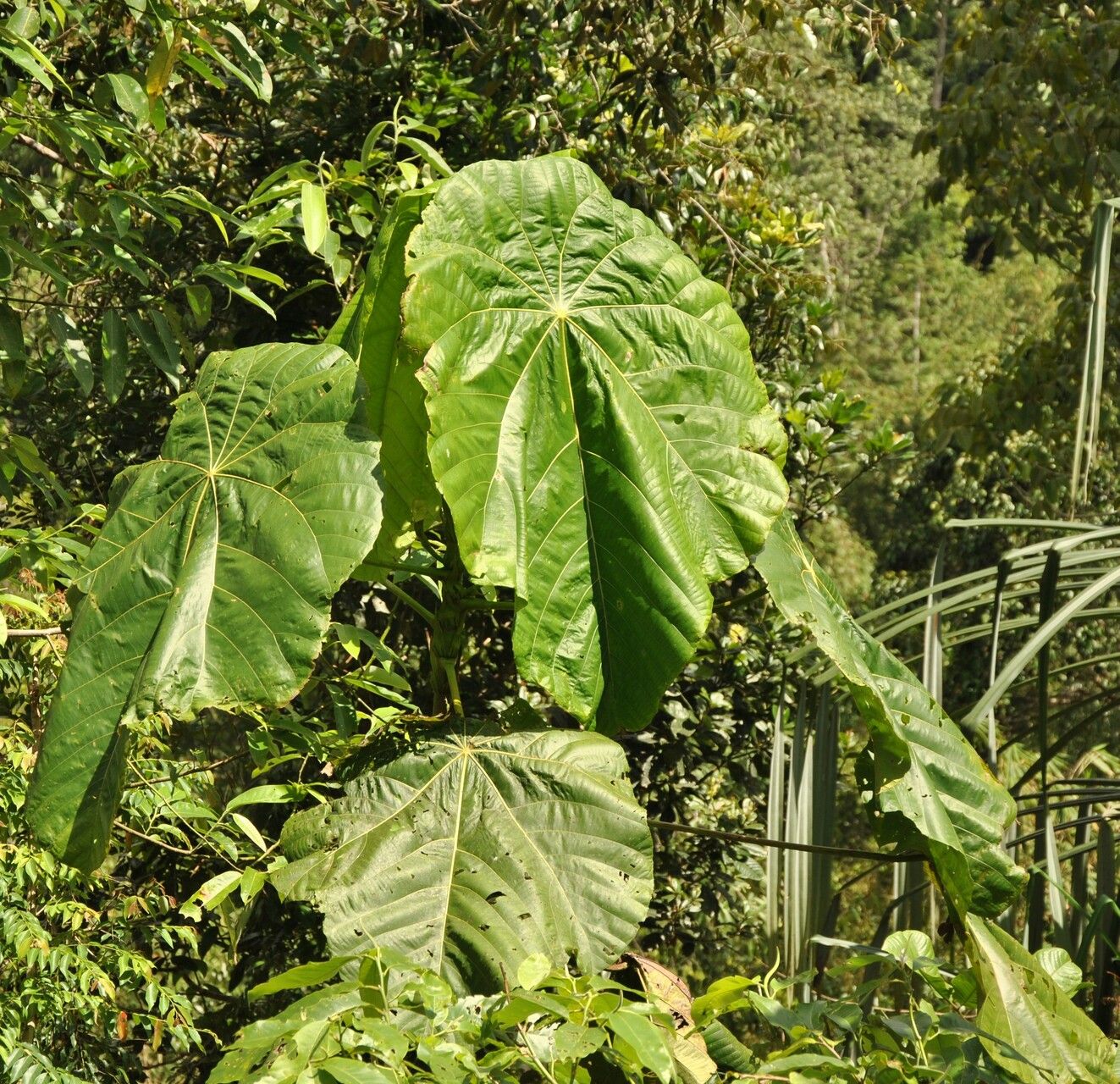
Hello, fellow plant lovers! Today, we’re diving into one of my absolute favorites for its dramatic flair and surprisingly straightforward propagation: the Macaranga gigantea. If you’ve ever seen the towering, magnificent leaves of this tropical beauty and dreamt of having your own, you’re in for a treat. Propagating it is a deeply satisfying experience, watching a tiny snippet turn into a flourishing new plant. I’d say it’s moderately easy, making it a fun project for most home gardeners, even those just starting their propagation journey.
The Best Time to Start
Timing is everything in the plant world, and for Macaranga gigantea, the sweet spot is during its active growing season. This typically means spring and summer in most climates. When the days are getting longer and warmer, and you see good, fresh growth on your parent plant, that’s your cue. This vigorous energy helps cuttings establish themselves much faster.
Supplies You’ll Need
Gathering your tools before you start will make the whole process much smoother. Here’s what I usually have on hand:
- Sharp pruning shears or a clean knife: For taking clean cuts.
- Rooting hormone (optional, but recommended): A powder or gel that encourages root development.
- Well-draining potting mix: I like a blend of perlite and peat moss, or a good quality houseplant mix.
- Small pots or propagation trays: Clean containers are key to preventing disease.
- Clear plastic bags or a propagation dome: To create a humid environment.
- Water: For watering and, in one method, for rooting.
- Spray bottle: For misting.
Propagation Methods
I’ve found two main ways to successfully propagate Macaranga gigantea, each with its own charm.
Stem Cuttings: The Classic Approach
This is my go-to method for Macaranga.
- Take Your Cuttings: In spring or summer, select a healthy stem that has at least two to three nodes (the points where leaves attach to the stem). Using your clean shears, make a cut just below a node. Aim for cuttings that are about 4-6 inches long. Remove the lower leaves, leaving just the top one or two to reduce water loss.
- Prepare the Cutting: If you’re using rooting hormone, dip the cut end of the stem into the powder or gel, tapping off any excess.
- Plant the Cutting: Fill your small pot with the well-draining potting mix. Make a hole in the center with your finger or a pencil, and gently insert the cutting, ensuring at least one node is buried. Firm the soil around the stem.
- Create Humidity: Water the soil gently. Then, cover the pot with a clear plastic bag, securing it around the rim with a rubber band or string, or place it under a propagation dome. This traps moisture, mimicking the humid environment the cutting craves.
- Provide Light and Warmth: Place the pot in a bright spot, but out of direct sunlight. A sunny windowsill that gets filtered light is usually perfect. If you have a heat mat, this is where it shines – bottom heat can significantly speed up root formation.
Water Propagation: For the Patient Observer
This method lets you watch the magic happen!
- Take Your Cuttings: Follow the same steps as for stem cuttings to prepare your 4-6 inch stem sections with at least one node. Remove all lower leaves.
- Place in Water: Fill a clean jar or glass with room-temperature water. Submerge the cut end of the stem, making sure no leaves are below the waterline.
- Change Water Regularly: Over the next few weeks, you’ll need to change the water every few days. This prevents bacteria from building up and keeps the water fresh.
- Watch for Roots: You’ll start to see tiny white roots emerging from the nodes. Once the roots are about an inch long, it’s time to transplant them into soil.
The “Secret Sauce” (Pro Tips)
Here are a couple of little tricks I’ve learned over the years that can really boost your success:
- Don’t Let Those Leaves Touch the Water: With water propagation, this is crucial. If leaves sit in the water, they’ll rot, and that rottenness will spread to your cutting, dooming it before it even gets a chance to root.
- Bottom Heat is Your Best Friend: If you can manage it, a seedling heat mat placed under your pots makes a world of difference. It provides consistent warmth at the root zone, encouraging callusing and root growth much faster than ambient room temperature alone. It’s like giving your little plant a warm hug to get it going.
- Wipe Down Your Leaves: For stem cuttings in humid environments, occasionally gently wipe any condensation off the inside of the plastic bag or dome. Too much trapped condensation can sometimes encourage fungal issues.
Aftercare & Troubleshooting
Once you see those lovely roots developing (you might see them in the drainage holes of your pot or gently tugging on your water-propagated cutting), it’s time for a little more attention.
- Transplanting into Pots: If you water-propagated, gently plant your rooted cutting into a pot with your well-draining mix. For stem cuttings that have rooted in soil, you’ll know they’re ready when you feel a slight resistance when you gently tug.
- Acclimatization: Once your new plant is in soil, gradually reduce the humidity. If it was in a bag, start opening it for a few hours a day, eventually removing it altogether over a week or so. Continue to water when the top inch of soil feels dry.
- Signs of Trouble: The most common issue is rot, which often shows up as a brown, mushy stem base or wilting leaves that yellow quickly. This is usually a sign of overwatering or poor drainage. If you see this, try to isolate the affected plant, remove any rotten parts, and ensure your soil is well-aerated. Sometimes, a cutting just doesn’t take; that’s part of the gardening adventure! Don’t get discouraged.
A Gentle Wrap-Up
Propagating Macaranga gigantea is a rewarding journey, and with a little patience and these tips, you’ll be well on your way to creating your own mini jungle. Enjoy watching each new leaf unfurl, knowing you were the one who helped it begin. Happy gardening!
Resource: