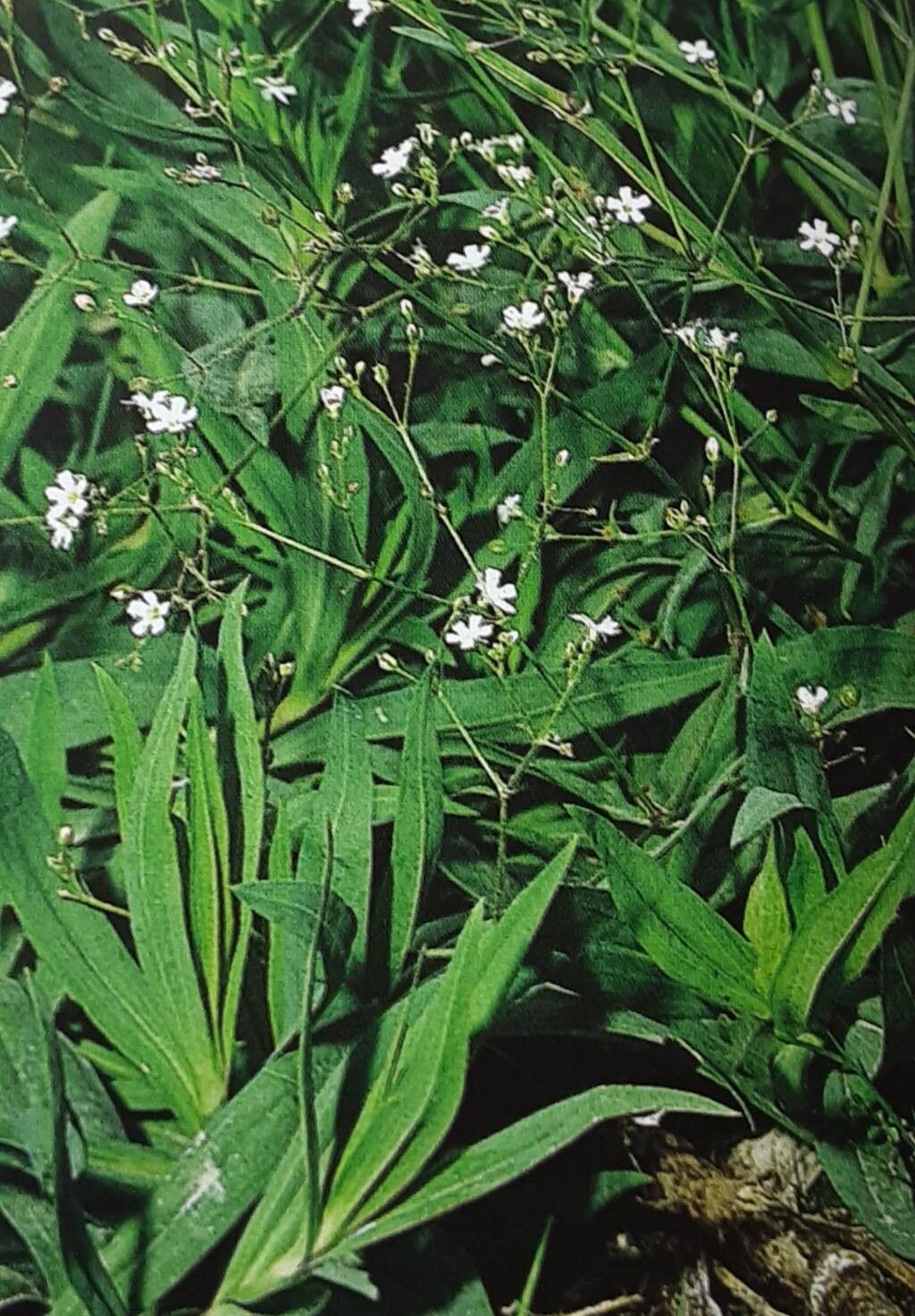
Hello gardeners! It’s so lovely to have you here. Today, we’re diving into the wonderful world of Gypsophila scorzonerifolia, commonly known as a type of baby’s breath. If you adore those delicate, airy sprays of tiny white flowers that seem to float in your garden beds, then you’re in for a treat. Propagating this beauty yourself is incredibly rewarding. It’s not the absolute easiest plant for a complete beginner, but with a little care and attention, you’ll be rewarded with a garden overflowing with these ethereal blooms.
The Best Time to Start
For Gypsophila scorzonerifolia, the sweet spot for propagation is definitely late spring to early summer. This is when the plant is actively growing and has plenty of energy to dedicate to developing new roots. You can also have success with division in early spring as the new growth begins to emerge.
Supplies You’ll Need
Gathering your supplies beforehand makes the whole process so much smoother. Here’s what I recommend:
- Sharp pruning shears or a clean knife: For taking cuttings or dividing.
- Rooting hormone (optional but recommended): Helps cuttings establish roots faster.
- A well-draining potting mix: I like to use a blend of peat moss, perlite, and a bit of compost.
- Small pots or seed trays: With drainage holes, of course!
- Watering can with a fine rose: To avoid disturbing delicate seedlings or cuttings.
- Plastic bags or a propagator: To create a humid environment for cuttings.
- Labels and a permanent marker: For keeping track of your new plants.
Propagation Methods
There are a couple of reliable ways to get more Gypsophila scorzonerifolia into your life.
Stem Cuttings
- Take your cuttings: In late spring or early summer, look for healthy, non-flowering stems. Use your sharp pruning shears to take cuttings about 4-6 inches long. Make your cut just below a leaf node.
- Prepare the cuttings: Gently remove the lower leaves. I like to leave just two or three sets of leaves at the top. You can then dip the cut end into your rooting hormone, tapping off any excess.
- Plant your cuttings: Fill your small pots with your prepared potting mix. Make a hole with your finger or a pencil and insert the cutting, ensuring the leaf nodes are below the soil surface. Gently firm the soil around it.
- Create humidity: Water the soil lightly, then cover the pot with a clear plastic bag or place it in a propagator. This will help keep the cuttings from drying out.
Division
- Dig up the plant: In early spring, carefully dig up your established Gypsophila scorzonerifolia. Try to get as much of the root ball as possible.
- Separate the crowns: Gently pull the clump apart. You’re looking for sections that have their own roots and at least one viable bud or shoot. You can use a clean trowel or your hands for this.
- Replant immediately: Plant your divisions into their new locations or pots filled with fresh, well-draining soil. Water them well to help them settle in.
The “Secret Sauce” (Pro Tips)
Here are a couple of things I’ve learned over the years that really make a difference:
- Bottom heat is your friend! For stem cuttings, placing your pots on a propagation mat provides gentle bottom heat. This encourages root development significantly. It’s like a cozy warm bed for your little cuttings.
- Don’t drown them! While humidity is crucial for cuttings, soggy soil is their enemy. Ensure your pots have excellent drainage, and only water when the top inch of soil feels dry to the touch. Overwatering is the quickest way to invite rot.
Aftercare & Troubleshooting
Once your cuttings have rooted (you’ll know when you see new growth or gently tug on the stem and feel resistance), or your divisions are planted, it’s time for continued care. Keep them in a bright spot, but avoid direct, scorching sun for the first few weeks. Continue to water them regularly, allowing the soil to dry slightly between waterings.
The most common issue you might encounter is rot. If you see your cuttings wilting and turning mushy, or if the soil stays perpetually wet and smells foul, it’s likely due to too much moisture. If rot sets in, sadly, that cutting is probably lost. You can try to salvage any healthy sections of stem if you catch it early, but it’s often best to start fresh.
A Final Word
Propagating plants is a journey of patience and observation. Don’t be discouraged if not every single attempt is a roaring success. Each time you try, you’ll learn something new. Enjoy the process of nurturing these tiny beginnings into beautiful blooming plants. Happy gardening!
Resource:
https://identify.plantnet.org/k-world-flora/species/Gypsophila%20scorzonerifolia%20Ser./data