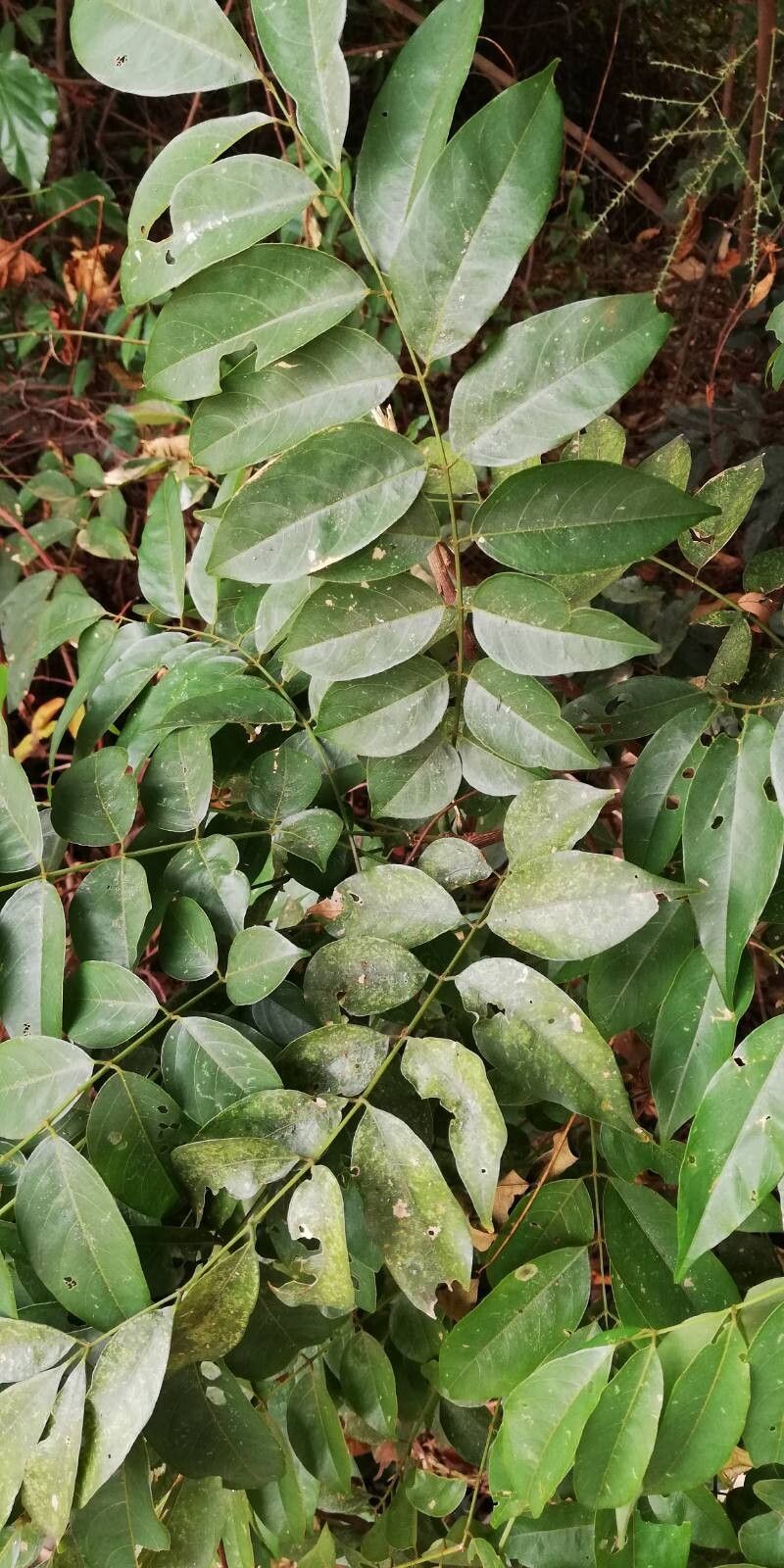
Oh, Millettia eetveldeana! If you’re looking for a vine that brings a bit of exotic drama to the garden, you’ve found a winner. Those gorgeous, cascading purple flowers really do steal the show. And the best part? You can easily create more of them to share or fill out your own landscape. Propagating this beauty is incredibly rewarding, a little bit of magic you can create with your own two hands. Don’t worry, it’s not overly difficult, even for those just starting their plant-parenting journey.
The Best Time to Start
For the absolute best chance of success, I always recommend starting cuttings in late spring or early summer. This is when the plant is actively growing, full of vigor, and has plenty of energy to put into developing new roots. You want to be looking for new, semi-hardwood growth – not the brand new, floppy tips, and definitely not the old, woody stems. Think somewhere in between, a stem that’s firm but still has a bit of flexibility.
Supplies You’ll Need
Here’s a quick rundown of what you’ll want to gather before you begin:
- Sharp pruning shears or a clean utility knife. Sterilize them first!
- A potting mix that drains exceptionally well. I like a blend of perlite, peat moss, and coarse sand.
- Rooting hormone (optional, but highly recommended for faster, stronger root development).
- Small pots or trays for your cuttings.
- A plastic bag or clear plastic dome to create a mini-greenhouse.
- Labels and a permanent marker (you’ll thank me later!).
- A watering can with a fine rose attachment.
Propagation Methods
Millettia eetveldeana is quite obliging when it comes to propagation. Stem cuttings are my go-to method because they’re straightforward and yield great results.
1. Taking Stem Cuttings:
- First, identify a healthy branch with that perfect semi-hardwood growth. Gently bend a stem. If it snaps cleanly, it’s likely good. If it bends without breaking, it’s probably too soft.
- Using your sterilized shears, take a cutting about 4-6 inches long.
- Remove all but the top two sets of leaves. If the remaining leaves are large, I’ll often cut them in half horizontally. This reduces water loss without sacrificing too much of the plant’s energy-producing surface.
- If your stem is thicker, you can carefully make a few shallow slashes on the bottom inch of the cutting. This gives the rooting hormone more surface area to work with.
- Dip the cut end into your rooting hormone, tapping off any excess.
- Make a hole in your prepared potting mix with a pencil or your finger – this prevents the rooting hormone from rubbing off.
- Gently insert the cutting into the hole, making sure the nodes are buried. Nodes are those little bumps on the stem where leaves emerge; this is where roots typically form.
- Firm the soil gently around the cutting.
- Water thoroughly but gently.
2. Creating a Mini-Greenhouse:
- Once your cuttings are potted, place them in a bright spot, out of direct sunlight.
- Cover the pots with a clear plastic bag. You can support the bag with stakes or chopsticks so it doesn’t touch the leaves. Alternatively, use a clear plastic dome. This humidity is crucial for preventing the cuttings from drying out before roots form.
- Ventilate the bag daily for a few minutes to prevent fungal growth.
The “Secret Sauce” (Pro Tips)
Here are a few things I’ve learned over the years that can really give you an edge:
- Bottom Heat is Your Friend: If you can, placing your pots on a gentle heat mat can dramatically speed up root formation. It mimics the warmth of spring soil and gives those roots a real boost. Just check that the heat isn’t too intense; you don’t want to cook your cuttings!
- The Water Wettability Trick: Before you pot up those cuttings, I sometimes dip the cut end in plain water for a few minutes before the rooting hormone. This ensures the hormone adheres well, and it’s a little extra insurance against drying out while you’re getting them into the soil.
- Don’t Be Afraid of a Little Pruning Later: Once you see new growth appearing, it’s a good sign roots are forming. Sometimes, I’ll even pinch back the very tip of a cutting that’s looking established to encourage it to branch out and become a bushier plant.
Aftercare & Troubleshooting
Once you start seeing signs of new growth – little leaves unfurling or even tiny stems reaching upwards – it’s a good indication that roots are developing! At this point, you can gradually acclimate your new plants to drier air by slowly increasing the ventilation. Remove the plastic bag for longer periods each day over a week or two. Water when the top inch of soil feels dry to the touch.
The most common problem you’ll encounter is rot. If your cutting turns black and mushy, or if the leaves suddenly wilt and turn yellow before shriveling, it’s likely rot, usually caused by too much moisture and not enough air circulation. If you see this, sadly, that cutting is probably lost. Discard it and start fresh, making sure your soil is well-draining and you’re not overwatering.
A Little Patience Goes a Long Way
See? It’s not rocket science! Propagating Millettia eetveldeana is a simple joy. Just remember to be patient, keep things clean, and give your little green babies the right conditions. Enjoy the process, celebrate every tiny new leaf, and soon you’ll have a whole new army of these stunning vines to admire!
Resource: