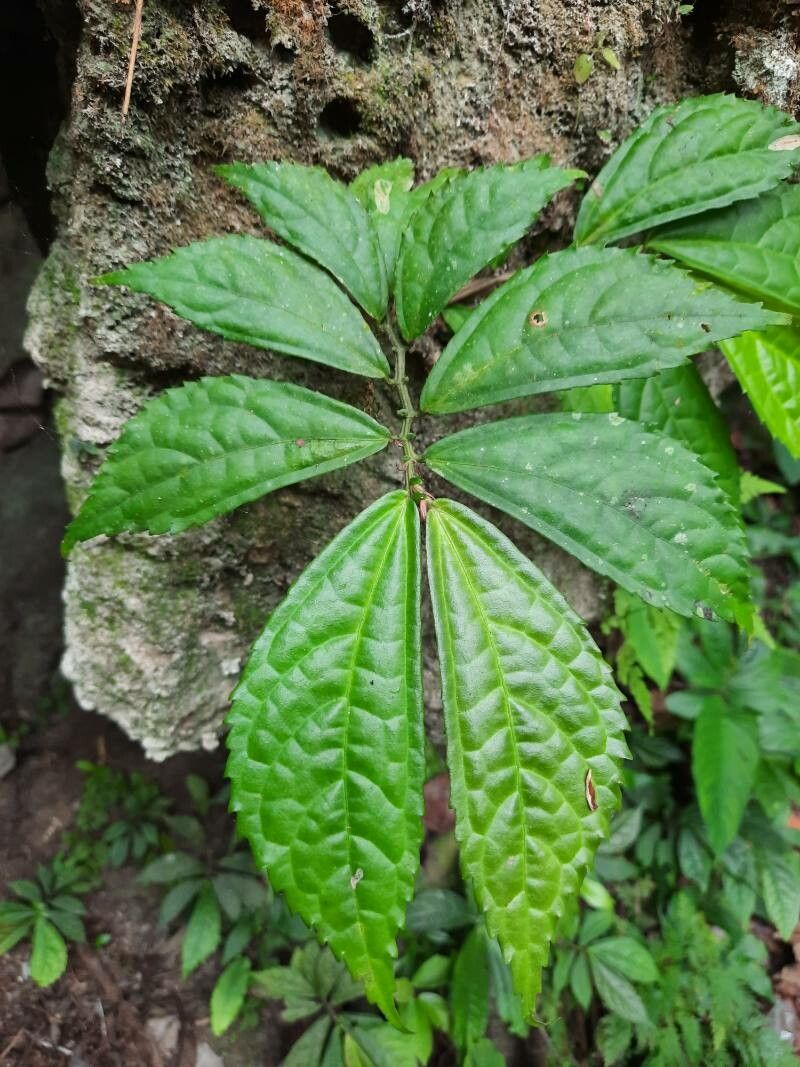
Oh, hello there! Grab a mug of your favorite brew, and let’s chat about a truly special plant that’s been stealing my heart these past few years: Elatostema platyphyllum. If you’re looking for a plant with gorgeous, velvety leaves and an almost ethereal glow, you’ve found it. And the best part? Propagating it is incredibly rewarding. I’ve found it to be quite forgiving, making it a delightful project for both seasoned gardeners and enthusiastic beginners alike.
The Best Time to Start
The sweet spot for propagating Elatostema platyphyllum is when the plant is actively growing, usually in late spring through early summer. This is when the plant has ample energy to put into new root development. You’ll see lots of new shoots and vigorous growth. Avoid trying to propagate during a plant’s dormancy or when it’s stressed from extreme heat.
Supplies You’ll Need
To set yourself up for success, gather these essential items:
- Sharp, clean pruning shears or a craft knife: For taking clean cuts.
- Rooting hormone (optional, but recommended for faster results): A powder or gel will do.
- Well-draining potting mix: I like a blend of equal parts peat moss (or coco coir), perlite, and a bit of coarse sand. This provides aeration and prevents sogginess.
- Small pots or propagation trays: Clean ones are a must to prevent disease.
- A clear plastic bag or propagation dome: To maintain high humidity.
- Spray bottle: For gentle misting.
- A warm, bright spot: Indirect light is key.
Propagation Methods
My absolute favorite way to propagate Elatostema platyphyllum is through stem cuttings. It’s straightforward and yields great results.
Stem Cuttings:
- Select your cutting: Look for a healthy stem that has at least two or three sets of leaves. You want a portion that’s actively growing but not woody.
- Make the cut: Using your clean shears or knife, make a clean cut just below a leaf node. A leaf node is where a new leaf grows from; this is where roots are most likely to form. Aim for cuttings that are about 4-6 inches long.
- Prepare the cutting: Gently remove the lower leaves, leaving only the top two or three leaves intact. This prevents leaves from rotting in the soil. If the leaves are very large, you can even cut them in half to reduce water loss.
- Apply rooting hormone (optional): Dip the cut end of the stem into your rooting hormone, tapping off any excess.
- Plant the cutting: Make a small hole in your prepared potting mix with a pencil or your finger. Insert the cut end of the stem into the hole and gently firm the soil around it.
- Water lightly: Water just enough to moisten the soil. You don’t want it waterlogged.
- Create a humid environment: Cover the pot with a clear plastic bag, propped up with a stick or a few skewers so it doesn’t touch the leaves, or use a propagation dome. Place it in a spot with bright, indirect light.
Water Propagation:
While I generally prefer soil for Elatostema platyphyllum, water propagation can work in a pinch.
- Take your cuttings as described above.
- Place them in a clean glass of water, ensuring that no leaves are submerged. Change the water every few days to keep it fresh.
- Keep them in bright, indirect light. Roots should appear within a few weeks.
- Once the roots are about an inch long, carefully transplant them into your well-draining potting mix.
The “Secret Sauce”
Here are a few tricks I’ve picked up over the years that really make a difference:
- Don’t let the leaves touch the water in the propagation setup. Whether in a pot with a humidity dome or in a water jar, any leaves touching moisture are a prime target for fungal rot. Keep them elevated!
- Bottom heat is your friend. Placing your pots atop a germination mat or in a warm microwave (when not in use, of course!) can significantly speed up root development. It mimics the warmth of spring soil and encourages those roots to get going.
- Patience is key! Honestly, sometimes it takes a little longer than you expect. Don’t give up if you don’t see new growth immediately. Keep the conditions consistent, and they will surprise you.
Aftercare & Troubleshooting
Once your stem cuttings have developed a good root system (you’ll know they’re ready when you gently tug and feel resistance, or see roots peeking out the drainage holes), it’s time to move them into their own small pots.
Continue to keep them in a bright, humid environment for a week or two, but gradually acclimate them to lower humidity by opening the bag or dome a little more each day. Water when the top inch of soil feels dry.
The most common issue you might encounter is rot. This usually happens from overwatering or poor drainage. If you see mushy, black stems or leaves, it’s a sign of trouble. At that point, it’s often best to discard the rotting cutting and try again with fresh material and a slightly drier soil mix. Sometimes, removing the affected part and letting the rest air dry for a bit can save a cutting, but it’s a gamble.
A Little Encouragement
Propagating plants is such a beautiful way to connect with nature and multiply the joy your plants bring. Be patient with your little Elatostema platyphyllum cuttings. Celebrate small victories, learn from any setbacks, and most importantly, enjoy the process of nurture and growth. Happy propagating!
Resource:
https://identify.plantnet.org/k-world-flora/species/Elatostema%20platyphyllum%20Wedd./data