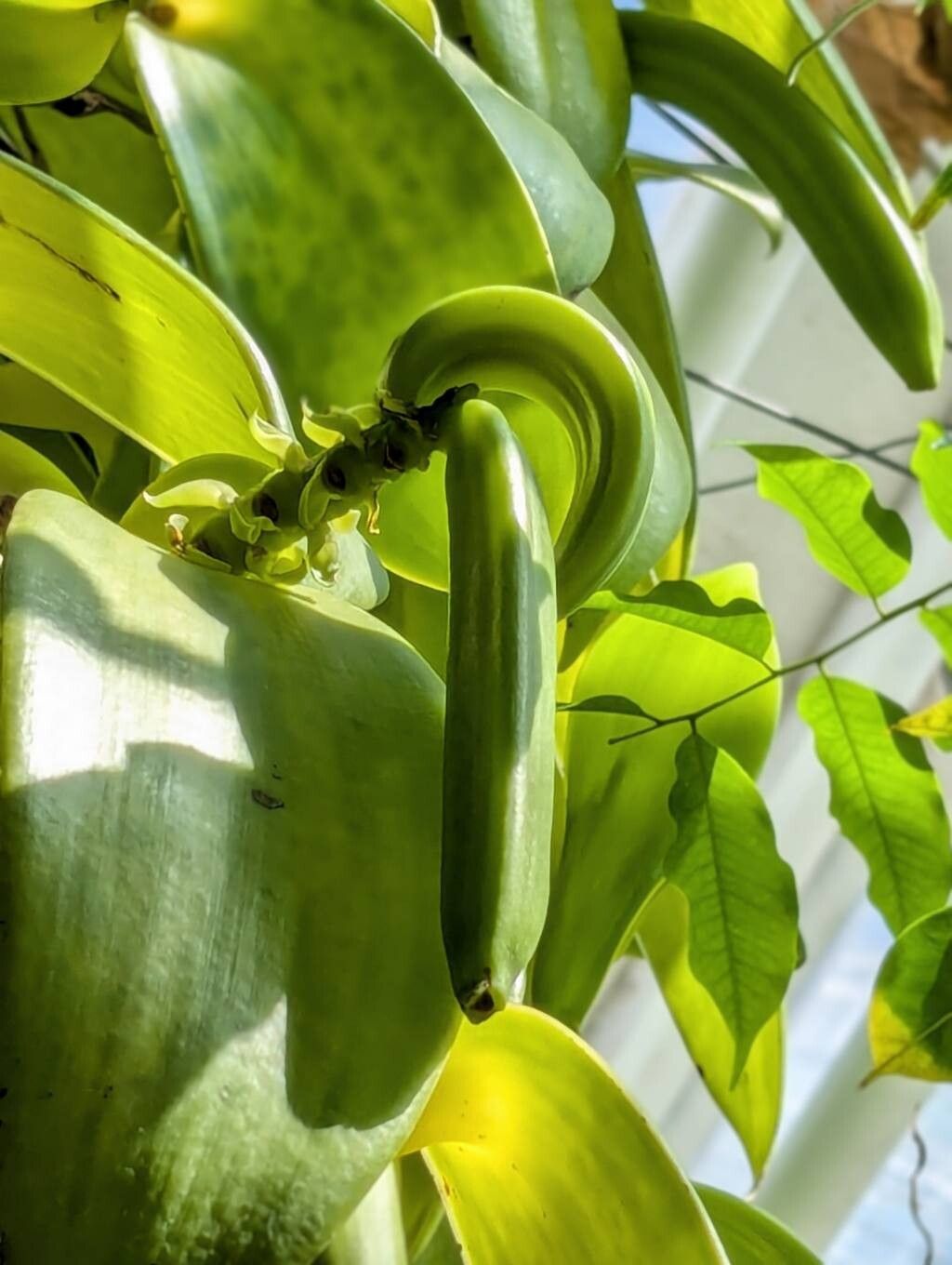
Hello, fellow plant lovers! Today, I want to chat about a truly special orchid: Vanilla pompona. If you’re looking for a bit of tropical luxury and the satisfaction of growing your own vanilla beans (eventually!), this is a fantastic choice. Don’t be intimidated by orchids; while Vanilla pompona can be a little more hands-on than a pothos, it’s absolutely achievable, even for those of you newer to the plant world. Trust me, watching a new vine sprout from a cutting is pure magic.
The Best Time to Start
For Vanilla pompona, the best time to propagate is when the plant is actively growing. Think late spring through summer. This is when the plant has stored up plenty of energy and is eager to put out new growth. You want to take cuttings from healthy, vigorous stems that are at least pencil-thick and have a few leaves. Avoid taking cuttings from old, woody stems or during the plant’s dormant period.
Supplies You’ll Need
Here’s what you’ll want to have on hand before you get started:
- Sharp, clean pruning shears or a knife: Sterilize them with rubbing alcohol to prevent disease.
- A well-draining potting mix: I like a blend of orchid bark, perlite, and a bit of peat moss. You can also buy pre-made orchid mixes.
- A rooting hormone (optional but recommended): This helps encourage faster and stronger root development. Look for one formulated for woody or semi-woody cuttings.
- Small pots or containers: 4-6 inch pots are usually a good size to start. Make sure they have drainage holes!
- A clear plastic bag or a propagation dome: This will create a humid environment for your cuttings.
- Spray bottle: For misting.
- A small support stake or moss pole: Your new plant will need something to climb!
Propagation Methods
I’ve found two main methods to be very successful with Vanilla pompona: stem cuttings and water propagation.
1. Stem Cuttings (My Preferred Method!)
This is generally the most reliable way to get a good number of new plants.
- Select your cutting: Find a healthy, mature stem that’s at least 12-18 inches long. You want to make your cuts just below a node (that little bump where a leaf attaches to the stem). Ideally, your cutting will have at least 2-3 nodes.
- Make the cut: Using your sterilized shears, make a clean cut. You can even take larger sections and then cut them into smaller pieces, ensuring each piece has at least one leaf and one node.
- Prepare the cutting: Remove the lowest leaf. If you’re using rooting hormone, dip the cut end into the powder, tapping off any excess.
- Plant your cutting: Gently insert the cut end into your prepared, moistened potting mix, burying at least one node. You can use a small stake or brace it so it stands upright.
- Create humidity: Mist the cutting lightly and then cover the pot with a clear plastic bag or place it in a propagation dome. Make sure the leaves aren’t touching the plastic if possible.
- Placement: Keep the pot in a warm spot with bright, indirect light. Avoid direct sun, which can scorch the leaves.
2. Water Propagation
This method is a bit more visual and can be fun to watch!
- Select and cut your stem: Just like with stem cuttings, choose a healthy piece of stem with at least two nodes. Make your cut just below a node.
- Prepare the cutting: Remove the lowest leaf.
- Place in water: Put the cut end into a clean jar or vase filled with room-temperature water. Make sure the node where the leaf was removed is submerged, but don’t let the remaining leaves sit in the water.
- Location: Place the jar in a spot with bright, indirect light.
- Change water regularly: Change the water every few days to keep it fresh and prevent rot.
The “Secret Sauce” (Pro Tips)
Here are a few things I’ve learned over the years that can really boost your success:
- Don’t be afraid of leaf loss: If your cutting drops a few leaves, don’t despair! The plant is just conserving energy. As long as the stem itself is firm and hasn’t turned mushy or black, it might still be viable.
- Bottom heat is your friend: If you’re having trouble with rooting, especially if it’s a bit cooler in your propagation area, using a seedling heat mat set to around 70-75°F (21-24°C) can significantly speed up root development. Place your potted cuttings on the mat.
- Patience is paramount: Vanilla orchids can be slow to root. Don’t be tempted to pull them up too often to check for roots. You’ll likely see new leaf growth before you see substantial roots, which is a good sign!
Aftercare & Troubleshooting
Once you see new roots developing (you might see them peeking out of the drainage holes or through the moss pole after a few weeks to months with stem cuttings), or signs of active growth in water cuttings, it’s time to transition them.
- For stem cuttings: Gradually acclimate your new plant to lower humidity by opening the plastic bag or dome a little more each day over a week. Continue to keep it in bright, indirect light and water when the top inch of soil feels dry. You can start feeding it with a diluted orchid fertilizer at half strength every other watering.
- For water cuttings: Once the roots are a couple of inches long, you can carefully plant them in your well-draining orchid mix, following the steps for stem cuttings.
Common signs of failure:
- Yellowing and dropping leaves: This can be a sign of too much direct sun, inconsistent watering, or lack of humidity.
- Mushy or black stem: This is usually a sign of rot, often caused by overwatering or poor drainage. If this happens, you might have to start over with a fresh cutting.
A Little Encouragement to Finish
Growing Vanilla pompona from cuttings is incredibly rewarding. It takes a bit of patience and observation, but the satisfaction of nurturing a new plant from a simple stem is unmatched. Don’t be discouraged if your first attempt isn’t perfect. Every gardener learns by doing, and each success builds your confidence. Enjoy the process, and soon you’ll have a beautiful, rambling vanilla vine to admire!
Resource:
https://identify.plantnet.org/k-world-flora/species/Vanilla%20pompona%20Schiede/data