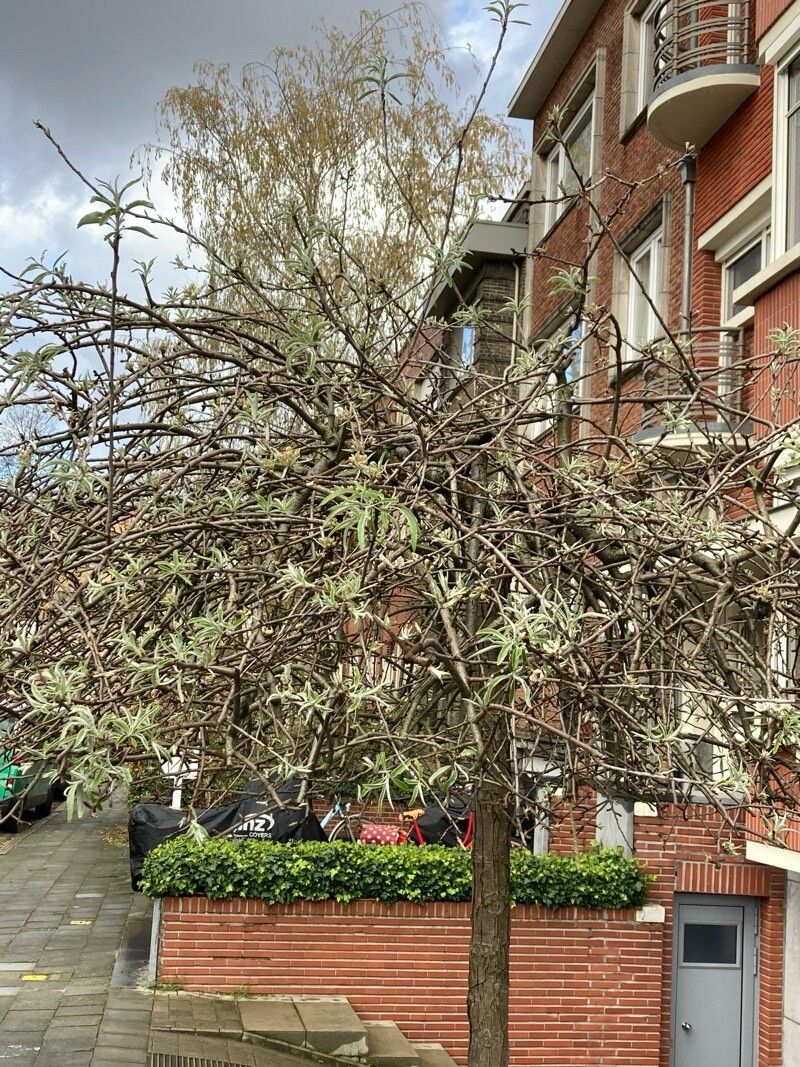
Hey there, fellow plant lovers! Today, we’re diving into the wonderful world of propagating Pyrus salicifolia, also known as the Willow-leaf Pear. If you’re drawn to its elegant, silvery foliage and the promise of a beautiful, tree-like addition to your garden, you’re in for a treat. Growing your own Willow-leaf Pears from cuttings or other methods is incredibly satisfying. It’s a fantastic way to expand your collection without a big dent in your wallet. For beginners, I’d say this one falls into the “moderately easy” category. A little patience and the right approach go a long way!
The Best Time to Start
The sweet spot for propagating Pyrus salicifolia is late spring to early summer. This is when the plant is actively growing and energy levels are high. You’ll want to take cuttings from new, softwood growth. These are the bright green, flexible stems that are still young and haven’t hardened up into woody branches yet. They have the best chance of rooting quickly.
Supplies You’ll Need
Gathering your tools beforehand makes the whole process so much smoother. Here’s what I always have on hand:
- Sharp Pruning Shears or a Craft Knife: Disinfected, of course!
- Rooting Hormone: A powder or gel specifically formulated for cuttings.
- Potting Mix: A well-draining mix is crucial. I like a blend of equal parts peat moss or coir and perlite. Some people add a bit of sand too.
- Small Pots or Seed Trays: With drainage holes are a must.
- Plastic Bags or a Clear Propagator Lid: To create a humid environment.
- Spray Bottle: For misting.
- Labels: So you don’t forget what you planted where!
Propagation Methods
Let’s get our hands dirty! Softwood stem cuttings are generally the most successful method for Pyrus salicifolia.
Stem Cuttings:
- Take Your Cuttings: On a bright, dry morning, select healthy, pliable shoots. Cut stems that are about 4-6 inches long, making your cut just below a leaf node (where a leaf attaches to the stem). Remove about half of the leaves from the bottom of the cutting. This reduces water loss.
- Prepare the Cuttings: Dip the cut end into your rooting hormone, tapping off any excess.
- Pot Them Up: Fill your small pots with the prepared, moist potting mix. Make a hole in the center of the soil with your finger or a pencil.
- Insert Cuttings: Gently place the hormone-coated end of the cutting into the hole and firm the soil around it.
- Create a Humid Environment: Water the soil gently. Then, cover each pot with a clear plastic bag, securing it with a rubber band, or place the pots inside a propagator with a lid. Make sure the leaves aren’t touching the plastic if possible.
- Placement: Position the pots in a bright location, but out of direct sunlight. Keep the soil consistently moist but not waterlogged. Misting the leaves occasionally will help.
The “Secret Sauce” (Pro Tips)
After years of nudging reluctant plants into life, I’ve picked up a few tricks that seem to make a real difference.
- The Power of Bottom Heat: If you have a seedling heat mat, use it! Placing your pots on a gentle heat source can significantly speed up root development. It mimics the warmth of the soil in the growing season and gives those new roots a real boost.
- Cleanliness is Key: I can’t stress this enough – always sterilize your tools. A quick wipe with rubbing alcohol between cuts prevents the spread of any diseases that could wipe out your precious new plants before they even get started.
- Don’t Rush the Reveal: When you think they might be rooted (usually after 4-8 weeks), resist the urge to yank them out to check. Instead, give the cutting a gentle tug. If there’s resistance, you likely have roots!
Aftercare & Troubleshooting
Once you start seeing signs of new growth – tiny leaves unfurling or little shoots appearing – it’s time to gradually acclimate your new plant.
First, loosen the plastic bag or propagator lid for a few hours each day to slowly reduce humidity. After a week or so, you can remove it completely. Continue to keep the soil consistently moist and the plant in bright, indirect light. Once the roots have filled the pot and you see vigorous new growth, you can transplant your Willow-leaf Pear into a slightly larger pot or its final garden location.
The most common issue you might encounter is rot. This usually happens if the soil stays too wet or the humidity is too high for too long without adequate air circulation. If a cutting looks mushy or black at the base, it’s likely gone. Don’t be discouraged; just try again with fresh cuttings and ensure good drainage.
A Encouraging Closing
Growing your own Pyrus salicifolia is a journey, and like any good garden project, it requires a bit of patience. Don’t get discouraged if your first few attempts aren’t perfect. That’s part of the learning process! Take joy in the act of nurturing, and celebrate each tiny success. Happy propagating, and may your Willow-leaf Pears thrive!
Resource:
https://identify.plantnet.org/k-world-flora/species/Pyrus%20salicifolia%20Pall./data