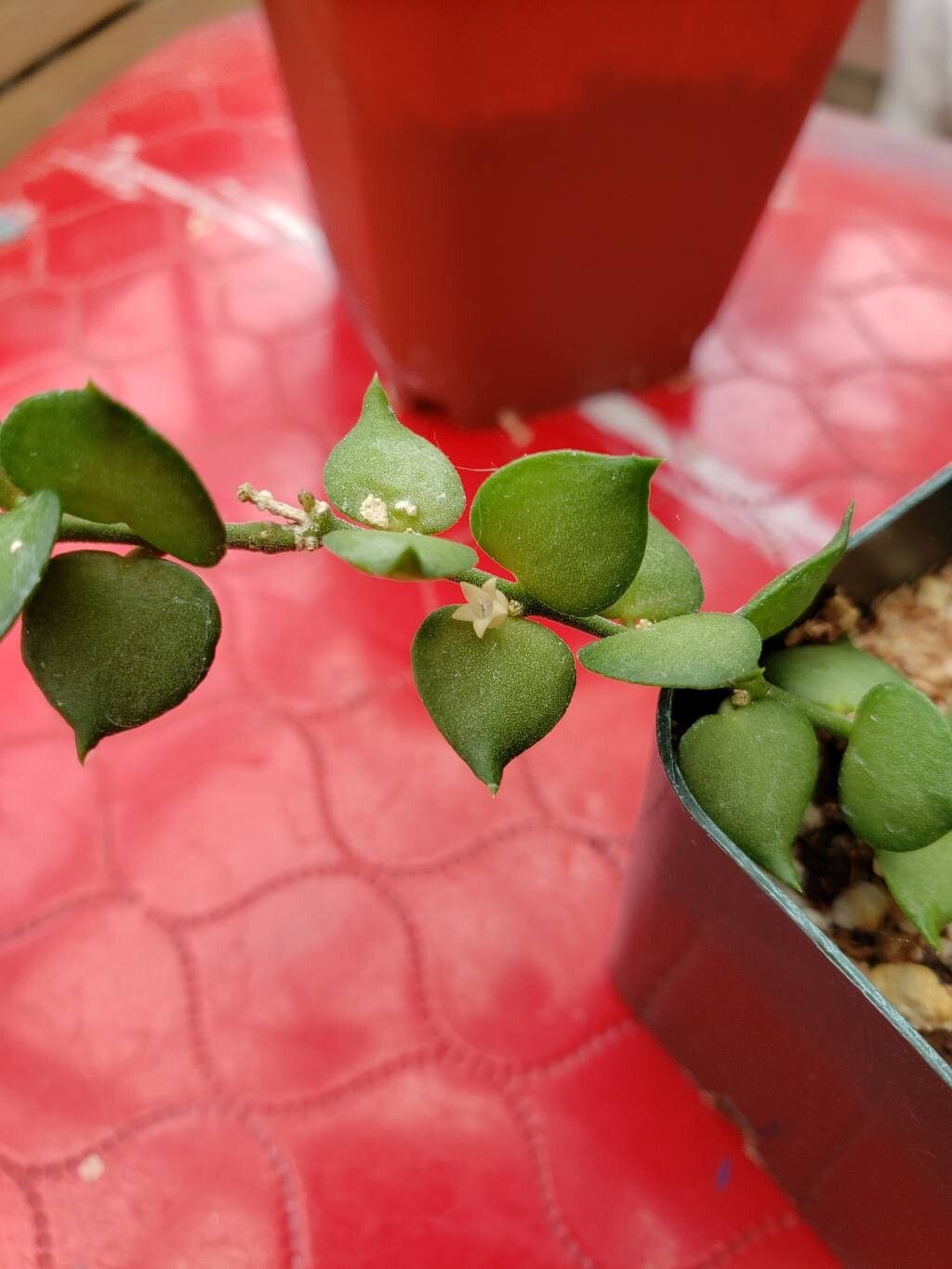
Hey there, fellow plant lovers! If you’ve ever admired those charming, cascading Dischidia ruscifolia with their tiny, heart-shaped leaves, you’re in for a treat. I’m here today to share my passion for propagating this delightful little vine. Trust me, multiplying your own Dischidia is immensely satisfying, and while it takes a touch of patience, it’s absolutely doable for beginners. You’ll soon have little green babies to share (or keep all to yourself, no judgment here!).
The Best Time to Start
The sweet spot for propagating Dischidia ruscifolia is definitely during its active growing season. Think late spring through summer. The warmer temperatures and longer daylight hours give our cuttings the energy they need to root quickly and happily. Trying to propagate in the dim, cool days of winter can be a real uphill battle.
Supplies You’ll Need
Gathering your supplies beforehand makes the whole process much smoother. Here’s what I always have on hand:
- Sharp, Clean Pruning Shears or Scissors: Essential for clean cuts that heal better.
- Rooting Hormone (Optional but Recommended): A little powder or gel can give your cuttings a significant boost.
- Well-Draining Potting Mix: I love a 50/50 blend of peat moss or coco coir and perlite. Alternatively, a good quality succulent or cactus mix works wonderfully.
- Small Pots or Containers: Yogurt cups with drainage holes or small nursery pots are perfect.
- Clear Plastic Bag or Humidity Dome: To create a mini greenhouse effect.
- Spray Bottle: For gentle misting.
- Patience! Seriously, it’s the most important tool.
Propagation Methods
Dischidia ruscifolia is a trooper when it comes to propagation, and stem cuttings are your go-to method.
Stem Cuttings
- Find a healthy stem: Look for a mature, healthy stem on your Dischidia that has at least two to three sets of leaves.
- Make the cut: Using your sharp shears, carefully cut the stem just below a leaf node (the little bump where a leaf emerges from the stem). This node is where the magic happens, where new roots will form. You want cuttings that are about 3-6 inches long.
- Prepare the cutting: Gently remove the lower leaves from the cutting, leaving just the top one or two sets. This prevents them from rotting in the soil.
- Apply rooting hormone (if using): Dip the cut end of the stem into your rooting hormone powder or gel, tapping off any excess.
- Pot it up: Fill your small pots with your well-draining soil mix. Make a little hole in the center with your finger or a pencil.
- Insert the cutting: Gently place the cut end of the Dischidia cutting into the hole, ensuring the nodes where you removed the leaves are covered by soil. Firm the soil gently around the stem.
- Water lightly: Water the soil just enough to moisten it. A gentle spray from your bottle is perfect.
- Create humidity: Place the pot inside a clear plastic bag or cover it with a humidity dome. Make sure the leaves aren’t touching the plastic if possible. Loosely tie the bag or place the lid on.
- Find a bright spot: Place your potted cuttings in a location that receives bright, indirect light. Avoid direct sun, which can scorch delicate new growth.
Water Propagation (Another Easy Option!)
If you prefer to watch the roots grow, water propagation is for you!
- Prepare your cuttings: Follow steps 1-3 from the stem cutting method.
- Place in water: Find a clean jar or glass and fill it with fresh water.
- Submerge the nodes: Place the cutting in the water, making sure at least one to two leaf nodes are submerged. Crucially, ensure no leaves are submerged in the water. This is a recipe for rot.
- Find a bright spot: Again, bright, indirect light is key.
- Change the water regularly: Change the water every few days, or whenever it starts to look cloudy. This keeps it fresh and prevents bacteria buildup.
- Wait for roots: You should start to see tiny white roots emerge from the nodes within a few weeks.
The “Secret Sauce” (Pro Tips)
Here are a few little tricks I’ve picked up over the years that really help boost success:
- Don’t be afraid of the cut: Sometimes, on very soft stems, I’ll make a small slit at the bottom of the cutting, almost like a tiny “Y”. This gives more surface area for rooting hormone to adhere to and encourages more vigorous root development.
- Bottom warmth is a game-changer: Dischidia absolutely love a little warmth from below. If you have a seedling mat, placing your pots on it can significantly speed up rooting. You can also try placing the pots in a warm area of your home, away from drafts.
- Mist, mist, mist (but don’t drown!): While creating a humid environment is important, you don’t want soggy soil. A light misting of water on the leaves and soil every couple of days, especially if the humidity dome isn’t completely sealed, can keep things perfectly moist without waterlogging.
Aftercare & Troubleshooting
Once you see those lovely roots peeking out of the drainage holes or a good network of roots in your water jar, it’s time to move your baby Dischidia!
- Potting up rooted cuttings: If you water-propagated, gently transplant your rooted cuttings into pots filled with your well-draining potting mix. Follow steps 5-7 from the stem cutting method.
- Care for new plants: Continue to provide bright, indirect light and keep the soil consistently moist but not soggy. They’ll be a bit delicate at first, so be gentle.
- Signs of rot: The most common sign of failure is blackening and mushy stems or leaves. This usually means the cutting is getting too much water and not enough air circulation. If you catch it early, you might be able to salvage a healthy section of the stem to try again. Ensure you have good drainage and that the “secret sauce” tip about not letting leaves touch water is followed!
- No growth? Be patient! Sometimes, it just takes a little longer. Keep providing good light, a consistent watering schedule, and that gentle humidity.
And there you have it! Propagating Dischidia ruscifolia is a wonderfully rewarding way to expand your collection. Don’t get discouraged if your first few attempts aren’t perfect – gardening is all about learning. Just remember to be gentle, provide the right conditions, and enjoy the magic of creating new life from a tiny stem cutting. Happy propagating!
Resource: