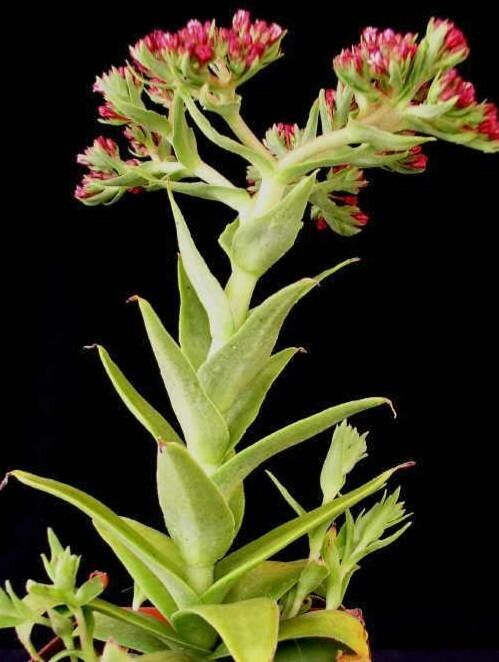
Oh, Crassula alba! What a joy to talk about this one. Its beautifully sculpted leaves, often with those lovely reddish margins, bring such a sophisticated touch to any succulent collection. And the best part? Propagating them is incredibly satisfying. You’ll find yourself with new little plants to share or expand your own green paradise. Good news for beginners: Crassula alba is generally a very forgiving plant when it comes to propagation. I’ve found it’s a wonderful starting point for anyone wanting to dip their toes into the world of succulent cuttings.
The Best Time to Start
When it comes to getting the most bang for your propagation buck, spring and early summer are your golden ticket. During these months, the plant is actively growing, meaning it has more energy to put into developing those precious roots. You’re basically catching it at its prime. I usually start my projects when the days are getting longer and the temperatures are warming up nicely, but before the intense heat of mid-summer sets in.
Supplies You’ll Need
Here’s what you’ll want to have on hand to make your propagation journey smooth sailing:
- Sharp, clean pruning shears or a knife: This is crucial for making clean cuts, which helps prevent infection. I always give mine a quick wipe with rubbing alcohol seasoned gardeners’ secret!
- Well-draining potting mix: A cactus or succulent mix is perfect. You can also make your own by mixing equal parts potting soil, perlite, and coarse sand. Good drainage is non-negotiable for succulents.
- Small pots or trays: Terracotta pots are my favorite because they breathe, but plastic will work too. Just make sure they have drainage holes.
- Rooting hormone (optional, but helpful): This isn’t strictly necessary for Crassula alba as they root quite readily on their own, but it can give them a little extra boost.
- Watering can or misting bottle: For providing gentle moisture.
- Gloves (optional): If you have sensitive skin.
Propagation Methods
Crassula alba is wonderfully versatile, lending itself to a couple of easy-peasy propagation methods.
Stem Cuttings
This is my go-to method, and I find it yields the quickest results.
- Select a healthy stem: Look for a mature, non-flowering stem. It should be firm, not mushy or dried out.
- Make a clean cut: Using your sharp, clean shears or knife, cut a section of stem that’s at least 2-3 inches long. Discard any lower leaves that might fall below the soil line later.
- Let it callous: This is the most important step! Place the cutting in a dry, bright spot, out of direct sunlight, for 2-5 days. You’ll see the cut end dry out and form a protective scab. This prevents rot.
- Plant the cutting: Once calloused, gently insert the cut end into your prepared potting mix. You can push it down about an inch or so. If you’re using rooting hormone, dip the calloused end in it before planting.
- Water sparingly: Wait about a week after planting before giving your cutting its first drink. Water lightly, just enough to moisten the soil. Don’t let it sit in soggy conditions.
Leaf Cuttings (Less Common for Alba but Possible)
While stem cuttings are usually more reliable for Crassula alba, you can occasionally get new plants from leaves. It’s a bit more of a slow burner.
- Take a leaf: Gently twist a healthy leaf from the stem. Try to get some of the stem base attached.
- Callous the leaf: Just like with stem cuttings, let the leaf callous for a few days until the cut end is dry.
- Lay on top of soil: Place the calloused leaf on top of your well-draining potting mix. You can gently press the calloused end into the soil, but don’t bury it.
- Mist lightly: Lightly mist the soil around the leaf every few days, keeping it slightly moist but never wet. You’ll be looking for tiny baby plants to emerge from the base of the leaf.
The “Secret Sauce” (Pro Tips)
Here are a few little tricks I’ve picked up over the years that really help:
- Don’t rush the callous: I see this mistake so often! Planting a fresh cutting without letting it callous is pretty much inviting rot. Patience here is truly a virtue.
- Bottom heat is your friend: If you’re propagating in a cooler environment or during a less-than-ideal season, placing your pots on a seedling heat mat can significantly speed up root development. It mimics those lovely warm spring soils.
- Resist the urge to overwater: This is the number one killer of succulent cuttings. They are masters at storing water in their leaves, so they don’t need much from you when starting out. Let the soil dry out between waterings.
Aftercare & Troubleshooting
Once you see signs of new growth or feel some resistance when you gently tug on the cutting, it means roots are forming! Congratulations!
Caring for New Plants: Continue to water sparingly, allowing the soil to dry out between waterings. As the plant grows, you can gradually increase the watering frequency. Keep them in bright, indirect light.
Common Signs of Failure:
- Rotting: If your cutting turns mushy, black, or smelly, it’s likely succumbed to rot. This usually happens from overwatering or lack of callousing. Sadly, these can’t usually be saved.
- Shriveling and Drying Out: If your cutting looks dried up and hasn’t formed roots, it might be that it didn’t callous properly, or it’s not getting enough moisture, or it’s in too much direct sun.
A Encouraging Closing
Propagating Crassula alba is such a rewarding way to connect with your plants and expand your collection. Don’t be discouraged if your first attempt isn’t perfect; gardening is always a journey of learning. Be patient, observe your little cuttings, and enjoy the magic of seeing new life emerge. Happy propagating!
Resource:
https://identify.plantnet.org/k-world-flora/species/Crassula%20alba%20Forssk./data