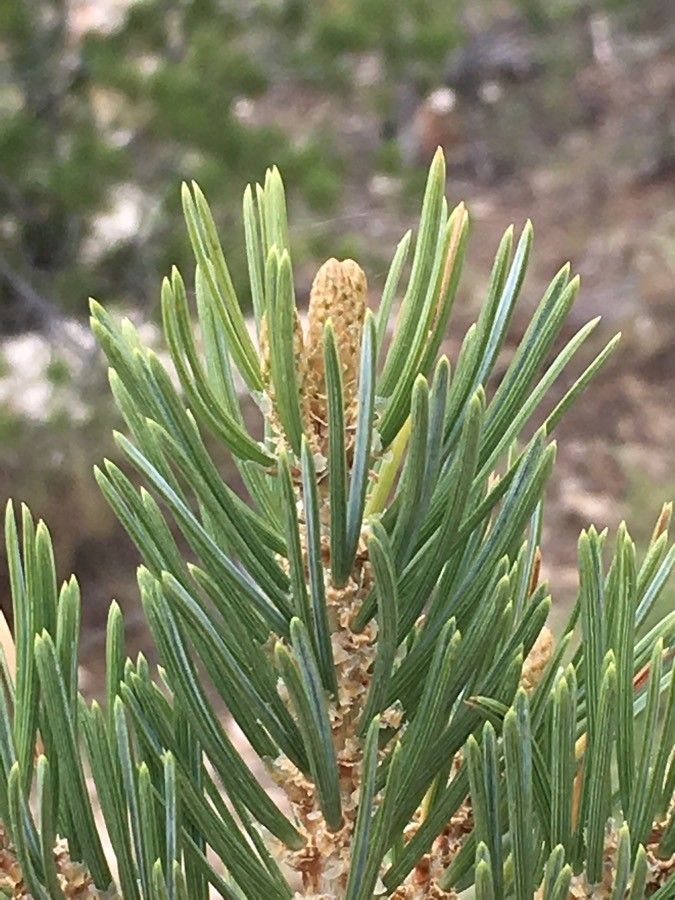
Hey there, fellow plant lovers! It’s so wonderful to connect with you all. Today, I want to chat about a real gem of the Southwest: the Pinus edulis, or as many of us lovingly call it, the Colorado Pinyon Pine. These charming, slow-growing evergreens are more than just beautiful; they’re also known for their delicious edible nuts. Nurturing these little guys from seed or cuttings is such a rewarding experience, offering a deep connection to the natural world around us. Now, I won’t sugarcoat it – propagating pines, including Pinyon Pine, can be a bit more challenging than, say, a pothos. But don’t let that deter you! With a little patience and the right approach, you can absolutely bring these miniature majestic trees into your own garden.
The Best Time to Start
For Pinyon Pines, springtime is generally your best bet for starting new plants. Look for new, soft growth on established trees in late spring or early summer. This is when the plant is actively putting on energy, making it more receptive to propagation efforts. For seeds, collect them in the fall after they’ve matured and let them go through a cold stratification period over winter before planting in early spring.
Supplies You’ll Need
Gathering your tools before you begin is always a smart move. Here’s what you’ll want to have on hand:
- Sharp Pruning Shears or a Sharp Knife: For taking clean cuttings.
- Rooting Hormone: A softwood or semi-hardwood rooting powder will be most effective for Pinyon Pine.
- Well-Draining Potting Mix: A blend of perlite, coarse sand, and a bit of peat moss or coconut coir works beautifully. Many garden centers also carry specific conifer or succulent mixes that are excellent.
- Small Pots or Trays: With drainage holes, of course!
- Plastic Bags or a Clear Lid: To create a humid environment for cuttings.
- Watering Can with a Fine Rose: For gentle watering.
- (Optional) Bottom Heat Mat: This can significantly speed up root development.
Propagation Methods
While Pinyon Pines are most commonly grown from seed, I’ve had success with stem cuttings as well, and it’s a fantastic way to get a head start on a plant with desirable traits. Division is generally not practical for mature Pinyon Pines due to their deep taproots.
Stem Cuttings:
- Select Your Cuttings: In late spring or early summer, locate healthy branches with new, soft growth. Look for stems that are about 4-6 inches long. Make a clean cut just below a leaf node (where a cluster of needles emerges). Avoid any woody or old growth.
- Prepare the Cuttings: Gently strip off the needles from the bottom inch or so of the cutting. This exposes the crucial area where roots will form.
- Apply Rooting Hormone: Dip the cut end of the stem into your rooting hormone, ensuring it’s coated thoroughly. Tap off any excess.
- Potting Up: Fill your small pots with your well-draining potting mix. Make a hole in the center with your finger or a pencil and insert the treated cutting, firming the soil gently around it.
- Create Humidity: Water the soil gently. Then, cover the pot with a clear plastic bag that’s supported by stakes to keep it from touching the needles, or use a clear propagation lid. This helps maintain high humidity, which is critical for cuttings before they develop roots.
- Placement: Place the pots in a bright location but out of direct, harsh sunlight. If you have a bottom heat mat, now’s the time to use it – aim for a consistent temperature of around 70-75°F (21-24°C).
Seeds:
- Collect and Stratify: Collect mature Pinyon Pine cones in the fall. Extract the seeds and cold stratify them by placing them in a damp paper towel or a small amount of peat moss in a sealed bag in the refrigerator for 2-3 months.
- Planting: In early spring, sow the seeds about ¼ inch deep in your well-draining potting mix.
- Water and Wait: Water gently and keep the soil consistently moist but not soggy. Place in a bright, cool location. Germination can be slow and erratic, so patience is key!
The “Secret Sauce” (Pro Tips)
Here are a couple of things I’ve learned over the years that can really make a difference:
- Don’t Let Needles Touch Water: If you’re trying water propagation (which is less common for Pinyon Pine but sometimes attempted), it’s crucial to ensure no needles are submerged in the water. This can lead to rot very quickly. Stick to soil propagation for best results with pines.
- Air Circulation is Key: While you need humidity for cuttings to root, you also don’t want stagnant air. Ventilate the plastic bag or lid daily for a few minutes to prevent fungal issues.
- Be Gentle with Young Roots: When you check for roots, resist the urge to yank. A gentle tug will tell you if roots have formed. If there’s resistance, more time is needed.
Aftercare & Troubleshooting
Once you see signs of new growth on your cuttings, it’s a good indication that roots have developed. You can gently check by lightly tugging. If there’s resistance, roots are forming! Gradually acclimate your new plants to lower humidity by opening the plastic bag or lid for longer periods over a week or two. Continue to keep them in bright, indirect light and water when the top inch of soil feels dry.
The most common culprit for failure with cuttings is rot, often caused by overwatering or poor drainage. If your cutting looks mushy or turns black, it’s likely succumbed to rot. Don’t be discouraged; it happens to the best of us! Try again with fresh materials and ensure your drainage is impeccable. For seedlings, damping off can be an issue – this is a fungal disease that kills young plants at the soil line. Again, good air circulation and not overwatering are your best defense.
A Encouraging Closing
Growing Pinyon Pines from cuttings or seed is a journey, and like all worthwhile endeavors in the garden, it requires a dose of patience and a willingness to learn. Embrace the process, celebrate every tiny bit of progress, and remember that even if your first attempt isn’t a runaway success, you’re gaining valuable experience. Happy growing, and may your Pinyon Pines thrive!
Resource:
https://identify.plantnet.org/k-world-flora/species/Pinus%20edulis%20Engelm./data