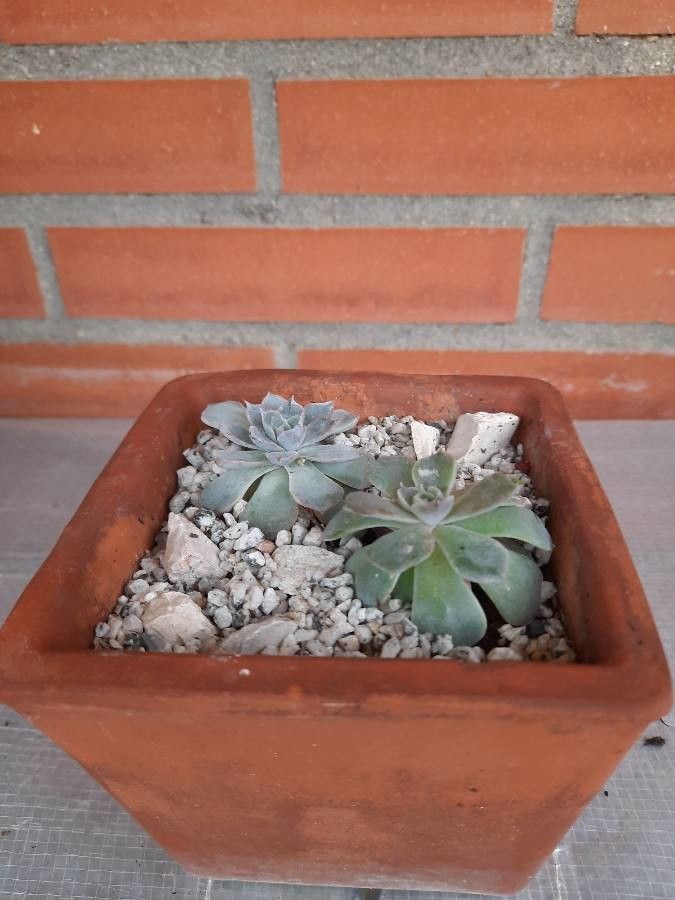
Oh, Echeveria grisea! If you’ve ever admired those stunning, powdery blue-green rosettes with their elegant, almost sculptural form, you’re probably hooked. They truly are a showstopper in any succulent collection. The good news? Propagating them is incredibly rewarding, and I’m excited to share how you can multiply these beauties. For beginners, Echeveria grisea is often a very forgiving plant to propagate, making it a fantastic starting point for anyone looking to expand their succulent family.
The Best Time to Start
Spring is absolutely our prime time for propagating Echeveria grisea. You want to catch your plant when it’s actively growing and has plenty of energy. Think of it as giving it a little boost right before the major growing season kicks into high gear. Early summer can also work, especially if you’re in a warmer climate. Just steer clear of the peak heat of mid-summer or the chilly, dormant months of winter.
Supplies You’ll Need
Here’s a little kit that will set you up for success:
- Well-draining succulent or cactus potting mix: This is non-negotiable!
- Clean, sharp pruning shears or a sharp knife: For neat, precise cuts.
- A shallow tray or pots: For your cuttings to start their new lives.
- Optional: Rooting hormone: Not always necessary for Echeveria grisea, but it can give impatient gardeners a little extra confidence.
- Optional: Small spray bottle: For gentle watering.
Propagation Methods
Echeveria grisea offers a couple of wonderful ways to create new plants, and I find both to be pretty effective.
Leaf Propagation
This method is pure magic, watching tiny baby plants emerge from what looks like just a leaf!
- Select healthy leaves: Gently twist off healthy, plump leaves from the base of a mature Echeveria grisea. Try to get the entire leaf, including the tiny part that attached to the stem. This is crucial for successful rooting.
- Let them callous: Place the leaves on a dry paper towel in a bright spot, out of direct sun, for 2-3 days. You’ll see the cut end dry and form a protective scab. This prevents rot.
- Lay them on soil: Once calloused, lay the leaves on top of your dry succulent potting mix. You can nestle the calloused end very lightly into the soil if you wish, but it’s not strictly necessary. Just ensure the leaf is sitting nicely.
- Be patient and mist lightly: Keep the leaves in bright, indirect light. Resist the urge to water heavily. I usually wait until I see the very first hint of a new root or pup. Then, I’ll lightly mist the soil around the leaves every few days, just enough to keep the soil slightly damp but never wet.
- Watch for magic: Within a few weeks to a couple of months, you should see tiny roots appearing, followed by a miniature rosette from the leaf’s base.
Stem Cuttings
This is a quicker way to get a more developed plant.
- Take a cutting: Using your clean shears, cut a healthy stem. Aim for a section that has a few leaves on it. You can even take cuttings from the top of a leggy plant.
- Callous the cut end: Just like with the leaves, let the cut end of the stem dry and callous over for 2-3 days.
- Plant the cutting: Once calloused, you can stick the cut end directly into your succulent potting mix. You can also dip the calloused end in rooting hormone before planting, if you’re using it.
- Water sparingly: Water the soil lightly after a day or two. Again, the key is not to overwater. Let the soil dry out between waterings.
- Provide bright light: Place your cuttings in a bright location, out of intense, direct sun.
- Check for roots: You’ll know your cutting has rooted when you gently tug on it, and there’s resistance. This can take anywhere from 3-6 weeks.
The “Secret Sauce” (Pro Tips)
Here are a couple of things I’ve learned over the years that make a real difference:
- Don’t let the leaves touch water when propagating leaves directly: If you’re trying the leaf method, and your leaves are sitting directly in water, it’s a recipe for rot. Keep them above the water source, or better yet, stick to laying them on soil where you can control the moisture much more effectively.
- Gentle warmth is your friend: While not absolutely essential for Echeveria grisea, if you have a propagation mat or can place your tray in a warm spot (think near a sunny window but not in direct hot sun), it can significantly speed up rooting. A little bottom heat helps those roots get going!
- Watch the parent plant: Before you even start cutting, take a good look at your mother Echeveria grisea. Healthy, vibrant plants are the best source for cuttings and leaves. If the parent plant is struggling, wait and nurse it back to health first.
Aftercare & Troubleshooting
Once you see roots and little pups emerging, it’s time for a little extra care.
- Gradual introduction to more light: Slowly start moving your new plant babies into brighter light. Avoid scorching them, but they do love plenty of light to develop their best color.
- Watering when established: Once your new plant has established roots, you can water it as you would any other mature Echeveria, allowing the soil to dry out completely between waterings.
- Dealing with rot: The biggest culprit for problems is overwatering. If you notice leaves going mushy, yellow, or translucent, you’re likely watering too much or your soil isn’t draining well. If a leaf or cutting rots, remove it immediately to prevent the rot from spreading. A little bit of rot at the VERY base of a leaf that’s producing a pup is often okay, as long as the pup itself is healthy.
- Pests are rare but possible: Occasionally, mealybugs can be a nuisance. Keep an eye out for white, cottony masses. A quick dip in rubbing alcohol on a cotton swab usually does the trick.
A Encouraging Closing
Propagating Echeveria grisea is a wonderful journey. It’s a lesson in patience, observation, and the sheer magic of nature. Don’t get discouraged if a few leaves don’t take – it happens to all of us! Just keep trying, enjoy the process of watching new life emerge, and soon you’ll have an abundance of these gorgeous succulents to admire and share. Happy propagating!
Resource:
https://identify.plantnet.org/k-world-flora/species/Echeveria%20grisea%20E.Walther/data