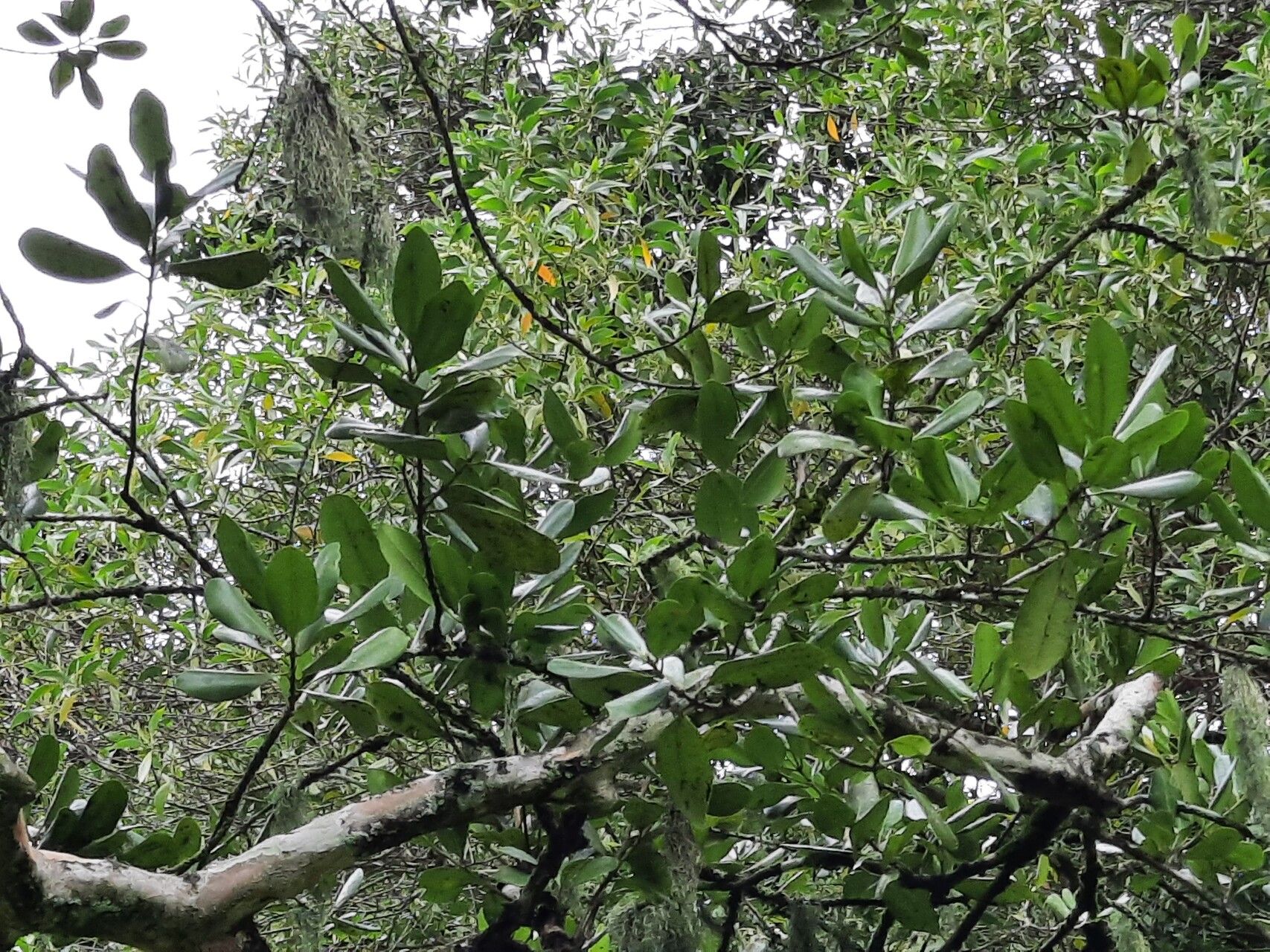
Oh, hello there! Pull up a chair and let’s talk about one of my absolute favorite plants: the Bay Rum tree, or Pimenta racemosa. There’s something incredibly satisfying about growing your own fragrant foliage, isn’t there? And this one? Well, it’s a winner. The leaves release this amazing, spicy-sweet aroma when you brush against them, perfect for homemade potpourri or even those lovely Bay Rum lotions and colognes. Propagating it yourself is not only economical but also incredibly rewarding. Now, if you’re a complete beginner, I’d say it’s perhaps a little more challenging than, say, a succulent, but with a bit of care and attention, you’ll be well on your way.
The Best Time to Start
For the highest success rates, I always aim to take cuttings in late spring or early summer. This is when the plant is actively growing, and the stems have a good amount of new, but still somewhat firm, growth. Think of it as the plant’s energetic peak – it’s more willing to put energy into producing those new roots. You’re also less likely to encounter chilling temperatures, which can set back tender cuttings.
Supplies You’ll Need
Gathering your supplies beforehand makes the whole process much smoother. Here’s what I always have on hand:
- Sharp, clean pruning shears or a craft knife: A clean cut is essential to prevent disease.
- A good quality, well-draining potting mix: I usually go with a mix of peat moss, perlite, and a bit of compost. You can often find specific “seed starting” or “cutting” mixes too.
- Rooting hormone powder or gel: This isn’t strictly mandatory, but it really gives your cuttings a boost and significantly increases your success rate.
- Small pots or propagation trays: Clean yogurt cups with drainage holes work in a pinch!
- A plastic bag or propagator lid: To create a mini greenhouse environment.
- Watering can with a fine rose or a spray bottle: Gentle watering is key.
- Optional: A heating mat: This provides bottom heat, which can really speed up root development.
Propagation Methods
While you can grow Pimenta racemosa from seed, I find taking stem cuttings to be the most reliable and quickest way to get going.
Stem Cuttings:
- Select your parent plant: Choose a healthy, vigorous Pimenta racemosa that looks happy and pest-free.
- Take the cuttings: Using your sharp pruning shears, cut stems that are about 4-6 inches long. Look for new growth that is semi-hardwood – it bends slightly but doesn’t snap easily. Make your cut just below a leaf node. This is where roots are most likely to form.
- Prepare the cuttings: Gently remove the lower leaves, leaving just two or three at the very top. This prevents them from rotting in the soil and also reduces water loss. If the remaining leaves are very large, you can even trim them in half to further help with moisture management.
- Apply rooting hormone: Dip the cut end of each stem into your rooting hormone powder or gel. Tap off any excess. This step is crucial for encouraging quick and strong root formation.
- Plant the cuttings: Fill your small pots with your prepared potting mix. Make a hole in the center of the soil with your finger or a pencil, then insert the hormone-coated end of the cutting. Firm the soil gently around the stem.
- Water gently: Water thoroughly but carefully, ensuring the soil is moist but not waterlogged.
- Create a humid environment: Cover each pot with a clear plastic bag (make sure the bag doesn’t touch the leaves!) or place them inside a propagator. This will trap humidity, which is vital for preventing the cuttings from drying out before they can root.
The “Secret Sauce” (Pro Tips)
Here are a couple of things I’ve learned over the years that make a real difference:
- Bottom heat is your friend! If you have a heating mat, place your pots on it. Young roots absolutely love warmth rising from below. It encourages them to venture out much faster than cool ambient temperatures.
- Don’t let those leaves touch the water! Whether you’re propagating in water (which I’m not detailing here for P. racemosa as cuttings are generally more successful in soil for this plant) or in pots, any foliage submerged in water is a direct invitation for rot. Keep those leaves high and dry.
- Consider a light misting: Once or twice a day, you can briefly open the propagator or lift the plastic bag and give the leaves a light misting. This offers a little extra humidity boost without overdoing it.
Aftercare & Troubleshooting
Once your cuttings are planted, find them a bright spot, but avoid direct, harsh sunlight, which can scorch those delicate new stems and developing roots. Keep the soil consistently moist but not soggy. You’ll know your cuttings have rooted when you see new leaf growth and they feel firm when gently tugged. This usually takes anywhere from 4 to 8 weeks, sometimes longer.
The most common issue you’ll encounter is rot. This is usually a sign of too much moisture and not enough air circulation. If you see stems turning black and mushy, it’s unfortunately a lost cause, and you’ll need to start again, paying closer attention to drainage and watering. Another sign of stress is wilting, which can be due to insufficient humidity or the cutting not having rooted yet. Don’t give up too soon!
Enjoy the Journey
Growing your own Pimenta racemosa is a delightful experience. Be patient with your cuttings; they’re working diligently beneath the soil. Celebrate each new leaf as a victory. Before you know it, you’ll have a beautiful, fragrant plant to call your own. Happy gardening!
Resource:
https://identify.plantnet.org/k-world-flora/species/Pimenta%20racemosa%20(Mill.)%20J.W.Moore/data