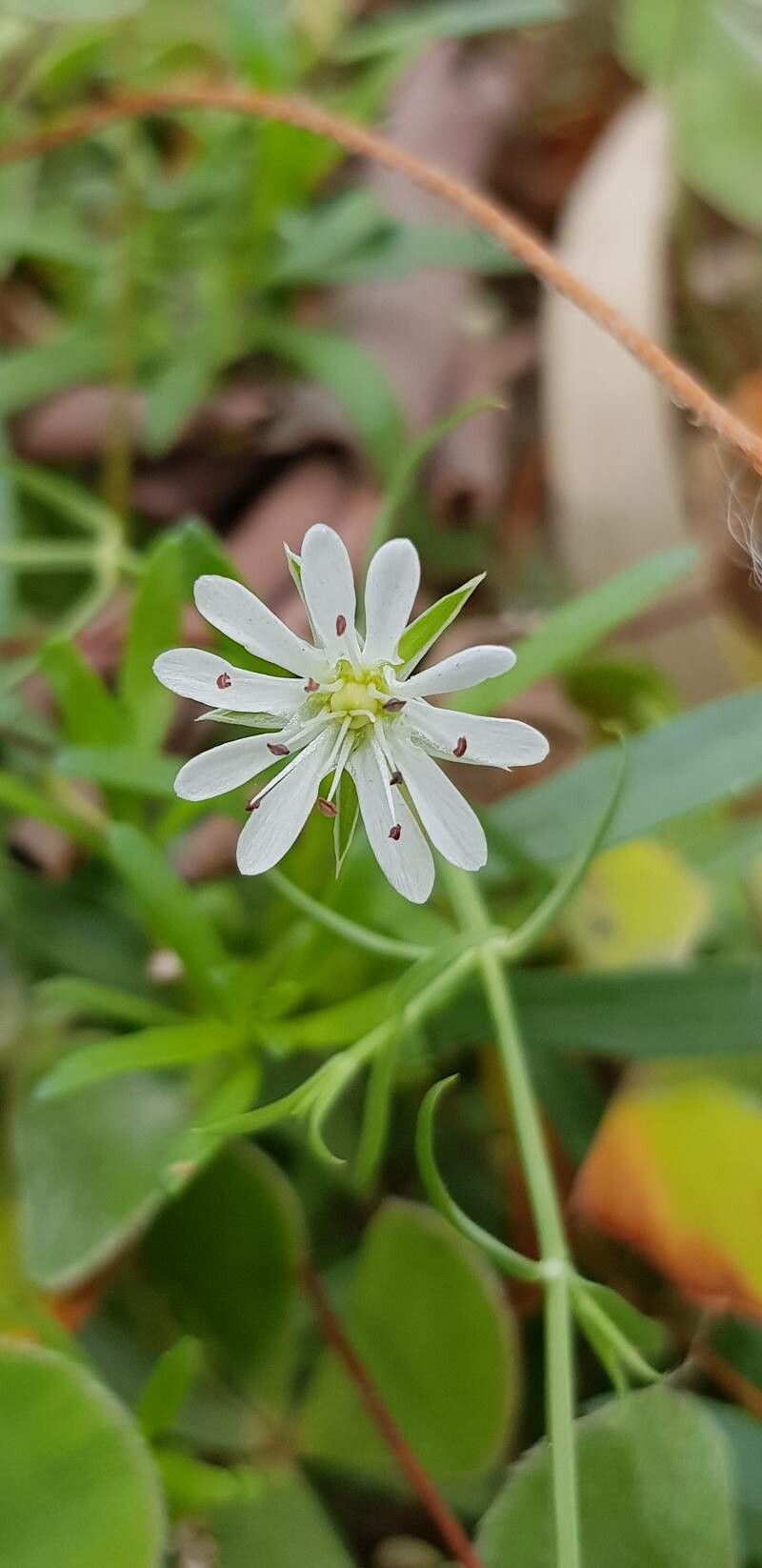
Hello there, fellow plant lovers! I’m so delighted you’re here today to talk about Stellaria angustifolia, or what we often call Narrowleaf Starwort. If you’re looking for a charming, delicate groundcover that brings a whisper of wildflowers to your garden, you’re in for a treat. Its tiny, star-shaped white flowers are just lovely, and watching them unfurl and spread is a truly rewarding experience. And the best part? Propagating it yourself is surprisingly accessible, even for those just starting their gardening journey. Let’s get our hands a little dirty!
The Best Time to Start
For Stellaria angustifolia, my experience tells me that late spring to early summer is your sweet spot. This is when the plant is actively growing and has plenty of healthy, young stems to work with. Waiting until after it finishes its initial bloom flush also helps ensure you’re taking cuttings from robust, non-flowering material.
Supplies You’ll Need
- Sharp Pruning Shears or Scissors: Clean cuts are crucial for healthy propagation.
- Seed Starting Mix or a Light Potting Mix: Something well-draining is key. I often mix in a bit of perlite for extra aeration.
- Small Pots or Seedling Trays: Whatever you have on hand that can hold the soil and offer some drainage.
- Rooting Hormone (Optional but Recommended): This really gives your cuttings a boost.
- Watering Can or Spray Bottle: Gently moistening the soil is important.
- Plastic Bag or Dome: To create a humid microclimate for your cuttings.
- Twist Ties or Rubber Bands: To secure the plastic.
Propagation Methods
The most straightforward way to multiply your Narrowleaf Starwort is through stem cuttings. It’s wonderfully effective and I’ve had great success with it.
Here’s how I do it:
- Take Your Cuttings: Look for healthy, non-flowering stems that are at least 4-6 inches long. Using your clean secateurs, make a clean cut just below a leaf node. This is the point where a leaf grows from the stem, and it’s where new roots are most likely to form. I usually take several cuttings at once, just in case.
- Prepare the Cuttings: Gently remove the lower leaves from the bottom half of each cutting. You want to expose a few nodes, as this is where the roots will emerge. If the cutting is particularly long, you can trim off the very tip to encourage branching later.
- Apply Rooting Hormone (If Using): Dip the cut end of each stem into your rooting hormone powder or gel. Tap off any excess. This step really speeds things up and gives those struggling cuttings a helping hand.
- Plant Your Cuttings: Fill your small pots or trays with your prepared, lightly moistened potting mix. Make a small hole in the center of each pot with a pencil or your finger.
- Insert and Firm: Gently insert the prepared cuttings into the holes, ensuring the nodes where you removed the leaves are nestled into the soil. Firm the soil gently around the base of each cutting to ensure good contact.
- Create a Humid Environment: Water the soil very gently. Then, cover the pots with a clear plastic bag or a propagation dome. You can secure the bag with twist ties or rubber bands. The goal is to keep the humidity high, which prevents the cuttings from drying out before they can form roots.
The “Secret Sauce” (Pro Tips)
I’ve learned a few tricks over the years that make a big difference:
- My absolute favorite tip is to go easy on the watering. A light misting or very gentle watering is usually enough. Overwatering is the surest way to invite rot, and we don’t want that for our delicate little stars! The plastic bag will do a lot of the work in keeping things moist.
- If you have access to bottom heat (like a heat mat designed for seedlings), even just a little warmth can really encourage rooting. It mimics the steady warmth of spring soil and gives your cuttings that extra push to get started.
- Don’t discard those spent flower stalks! Sometimes, with Stellaria, you can sneakily get small runners or offsets to root by carefully pinning them to the soil surface with a bent wire or a small stone. Keep them moist, and they might just surprise you with new growth.
Aftercare & Troubleshooting
Once your cuttings are snug in their pots, place them in a location with bright, indirect light. Avoid direct sunlight, as it can scorch the tender new growth. Keep the soil consistently moist but not waterlogged.
You’ll start to see new leaf growth on your cuttings within a few weeks. This is a good sign they’re trying to root! To check for roots, give a gentle tug on the cutting. If you feel resistance, you’ve likely got roots! Once they have a good root system, you can carefully transplant them into their own individual pots or into a prepared spot in the garden when they are strong enough.
The most common issue you might encounter is rot. If you see mushy stems or the cutting turns black and collapses, it’s a sign of too much moisture. Unfortunately, rotted cuttings are a lost cause, so remove them and try again with slightly less watering next time. Patience is key here!
A Encouraging Closing
Propagating Stellaria angustifolia is such a satisfying way to expand your garden and share these little beauties with friends. It takes a bit of patience, a gentle hand, and a willingness to learn from each plant. Don’t be discouraged if every cutting doesn’t make it – that’s part of the learning process! Just enjoy the journey of nurturing new life. Happy gardening!
Resource:
https://identify.plantnet.org/k-world-flora/species/Stellaria%20angustifolia%20Hook./data