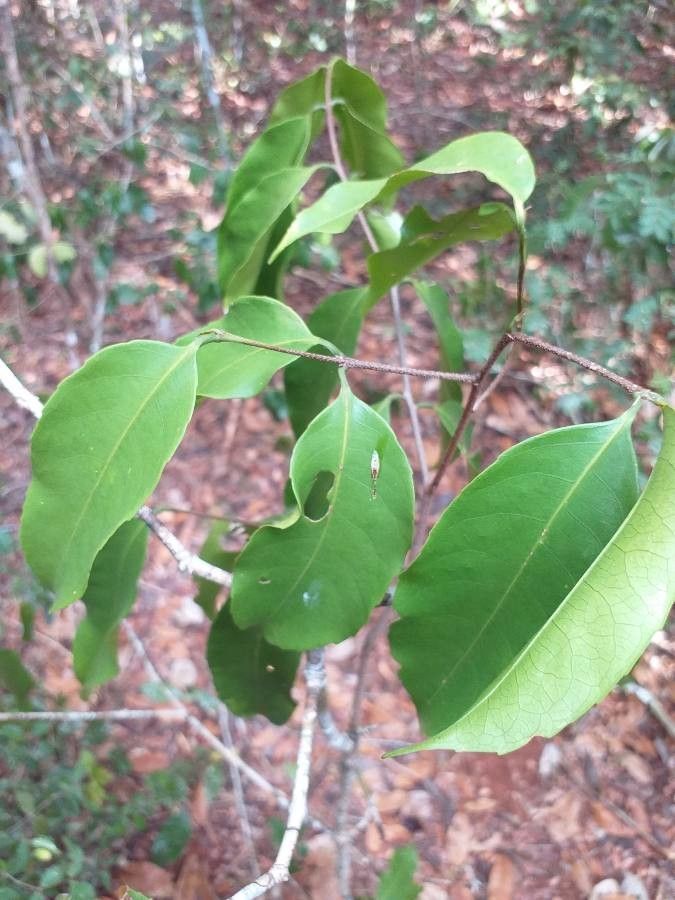
Oh, hello there! Come on in, grab a mug of something warm. I’m so excited to chat with you today about Vepris sansibarensis, sometimes called the Zanzibar Teak. If you’ve ever admired its glossy, deep green foliage and the way it can add a touch of the exotic to your space, then you’re in for a treat. Propagating this beauty is just as rewarding as watching it grow. Now, I won’t lie and say it’s as straightforward as sticking a begonia cutting in water – it can be a little bit of a diva sometimes. But with a bit of know-how, even beginners can achieve success. It’s a wonderful way to fill your garden or share these lovely plants with friends.
The Best Time to Start
For Vepris sansibarensis, the sweet spot for propagation is definitely late spring or early summer. Think of it as when the plant is really hitting its stride, bursting with new growth and energy. You’ll want to select stems that are firm but not woody – what we call semi-hardwood cuttings. These are young enough to root easily but have enough substance to hold up well. Avoid taking cuttings from actively flowering or fruiting stems.
Supplies You’ll Need
Gathering your tools beforehand makes the whole process smoother. Here’s what I always have on hand:
- Sharp, clean pruning shears or a sterile knife: Cleanliness is paramount to prevent disease.
- Rooting hormone powder or gel: This is a game-changer, especially for trickier plants. Different strengths are available; a general rooting hormone should do fine.
- A well-draining potting mix: I love a blend of equal parts peat moss, perlite, and coarse sand. A pre-made cactus or succulent mix can also work in a pinch.
- Small pots or seed trays: Clean ones, of course!
- A clear plastic bag or propagation dome: To create a humid environment.
- A watering can with a fine rose: For gentle watering.
- Optional: A heat mat: This can significantly speed up root development.
Propagation Methods
We’ll focus on stem cuttings for Vepris sansibarensis, as it’s generally the most reliable method.
- Taking the Cuttings: Using your clean shears, take a cutting from a healthy stem. Aim for pieces that are 4-6 inches long. Be sure to make your cut just below a leaf node (where a leaf attaches to the stem). This is where the magic happens for rooting.
- Preparing the Cuttings: Gently remove the lower leaves, leaving just a few at the top. This prevents them from rotting in the soil. If your cuttings are very long, you can pinch off the tip to encourage bushier growth later.
- Applying Rooting Hormone: Dip the cut end of the stem into your rooting hormone powder or gel. Tap off any excess. This gives your cutting a real boost and encourages root formation.
- Planting the Cuttings: Make a hole in your prepared potting mix with a pencil or your finger, large enough to accommodate the hormone-coated end. Gently insert the cutting into the hole, ensuring the nodes where you removed leaves are below the soil surface. Firm the soil gently around the base of the cutting.
- Creating a Humid Environment: Water the soil lightly until it’s just moist, not soggy. Then, cover the pots with a clear plastic bag (propped up with sticks so it doesn’t touch the leaves) or place them under a propagation dome. This traps humidity, which is crucial for cuttings that can’t yet absorb water through roots.
- Providing Light and Warmth: Place the pots in a bright location out of direct sunlight. If you have a heat mat, place the pots on it. This gentle bottom heat mimics ideal rooting conditions and can make a huge difference.
The “Secret Sauce” (Pro Tips)
Now, for a couple of little tricks I’ve picked up over the years:
- “Air Layering” is Your Friend: If you’re finding cuttings are being a bit shy, try air layering directly on the parent plant. You can carefully wound a section of stem, pack it with moist sphagnum moss, and wrap it all securely in plastic. Roots will form within the moss, and once you see them, you can sever the stem below the roots and plant it. It’s a bit more involved but often yields very strong, established plants.
- Don’t Overwater! (Seriously): This is probably the most common mistake. The goal is consistently moist, not waterlogged soil. Soggy conditions are a fast track to rot. Check the moisture level by gently poking a finger into the soil every couple of days. If the top inch feels dry, it’s time to water.
Aftercare & Troubleshooting
Once your Vepris sansibarensis cuttings have developed a good root system – you’ll know because you’ll see new growth or feel resistance when you gently tug on the cutting – it’s time to move them to a slightly larger pot with fresh potting mix. Continue to keep them in bright, indirect light.
The main thing to watch out for is rot. If your cuttings turn black and mushy at the soil line, or if the leaves start to yellow and drop without any signs of new growth, it’s usually a sign of too much moisture or insufficient drainage. Unfortunately, sometimes cuttings just don’t make it, and that’s part of the learning process. Don’t get discouraged!
A Little Patience Goes a Long Way
Propagating plants is a journey, and Vepris sansibarensis certainly has its own rhythm. Be patient, observe your cuttings closely, and trust your instincts. The satisfaction of nurturing a new plant from a tiny cutting is truly immense. Happy gardening, my friend!
Resource:
https://identify.plantnet.org/k-world-flora/species/Vepris%20sansibarensis%20(Engl.)%20Mziray/data