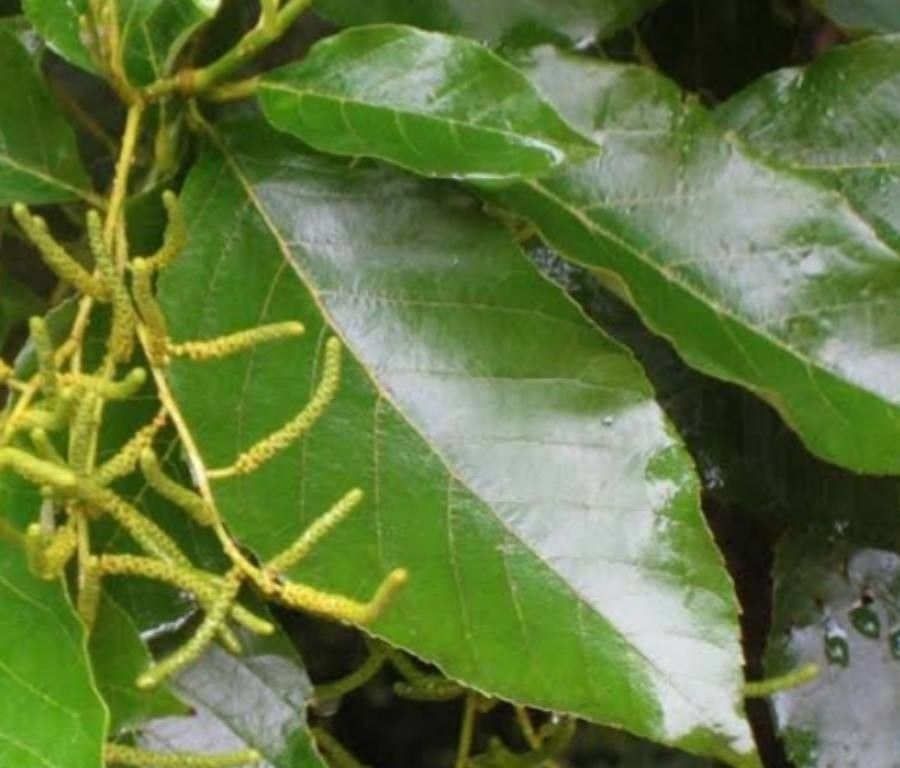
Oh, Alnus nepalensis! If you’ve ever seen one of these magnificent Himalayan Alders gracing a landscape, you know just how special they are. With their graceful, often columnar form, attractive foliage, and the fascinating nitrogen-fixing magic they bring to the soil, they’re a real treasure. For me, propagating them has always been a little project of passion. It’s not as straightforward as some common houseplants, mind you, but the satisfaction of nurturing a brand new tree from a tiny cutting is immense. Don’t let that scare you off, though. With a little patience and the right approach, it’s absolutely doable.
The Best Time to Start
When I’m looking to get new Alnus nepalensis growing, I usually have the most success when I take my cuttings in late spring to early summer. This is when the plant is actively growing, and the new shoots are often referred to as “semi-hardwood” cuttings. They’re not quite as sappy and soft as brand new growth, but they haven’t hardened off into older wood yet either, making them more pliable and receptive to rooting.
Supplies You’ll Need
Here’s a little checklist of what I usually gather before I get started:
- Sharp pruning shears or a clean knife: For making clean cuts.
- Rooting hormone: A powder or gel suitable for woody cuttings.
- A well-draining potting mix: I often use a blend of equal parts peat moss or coco coir and perlite, sometimes with a bit of sand mixed in.
- Small pots or seed trays: With drainage holes, of course.
- Plastic bags or a propagation dome: To create a humid environment.
- A spray bottle: For misting.
- Labels and a marker: So you don’t forget what you planted where!
Propagation Methods
My go-to method for Alnus nepalensis is stem cuttings. It’s where I’ve seen the best results.
- Select Your Cuttings: Look for healthy, current-year’s growth. You want stems that are about pencil thickness and approximately 6-8 inches long.
- Make the Cut: Using your sharp shears or knife, make a clean cut just below a leaf node (where a leaf attaches to the stem). This is often where the rooting hormones are most concentrated and where roots tend to form.
- Prepare the Cutting: Gently remove the leaves from the bottom half of the cutting. You can even take off the two largest leaves at the top and cut them in half horizontally to reduce water loss through transpiration.
- Apply Rooting Hormone: Dip the cut end of the stem into your rooting hormone, ensuring it’s coated all around. Tap off any excess.
- Plant Your Cuttings: Fill your pots with your prepared potting mix. Make a pilot hole with your finger or a pencil, and then insert the cutting, pressing gently to ensure good contact with the soil.
- Water Gently: Water the soil thoroughly but gently. You don’t want to disturb the cutting.
- Create Humidity: Cover the pot with a plastic bag, securing it with a rubber band, or place it under a propagation dome. This high humidity is crucial for preventing the cuttings from drying out before they can develop roots.
The “Secret Sauce”
Here are a couple of things I’ve learned over the years that really seem to make a difference:
- Bottom Heat is Your Friend: If you have the option, placing your pots on a heated propagation mat can significantly speed up root formation, especially in cooler environments or if you’re starting a bit earlier or later than ideal. It provides that gentle warmth that encourages root development from below.
- Don’t Forget to Air Them Out: While consistent humidity is key, you also need to air your cuttings out periodically. Open the plastic bag or dome for a few minutes each day or every other day to allow for fresh air circulation and prevent fungal issues from setting in.
Aftercare & Troubleshooting
Once your cuttings are planted, the waiting game begins! Keep the soil consistently moist but not waterlogged. Mist the leaves occasionally if they look a bit dry. Place them in a bright, indirect light location. Avoid direct sun, which can scorch them.
You’ll know your cuttings are rooting when you start to see new leaf growth. It can take anywhere from a few weeks to a couple of months, so patience is really key. If you gently tug on a cutting and feel some resistance, that’s another good sign!
The main thing to watch out for is rot. If the stems turn black and mushy, it’s usually a sign of too much moisture and not enough air circulation. In this case, unfortunately, the cutting is likely lost. Nip any rotten parts off immediately to prevent it from spreading.
Happy Growing!
Propagating Alnus nepalensis is a rewarding journey. It’s a chance to connect with nature on a deeper level, to nurture life from a small piece of parent plant. Don’t get discouraged if every single cutting doesn’t make it. Learn from each attempt, adjust your approach, and most importantly, enjoy the process. Happy growing!
Resource:
https://identify.plantnet.org/k-world-flora/species/Alnus%20nepalensis%20D.Don/data