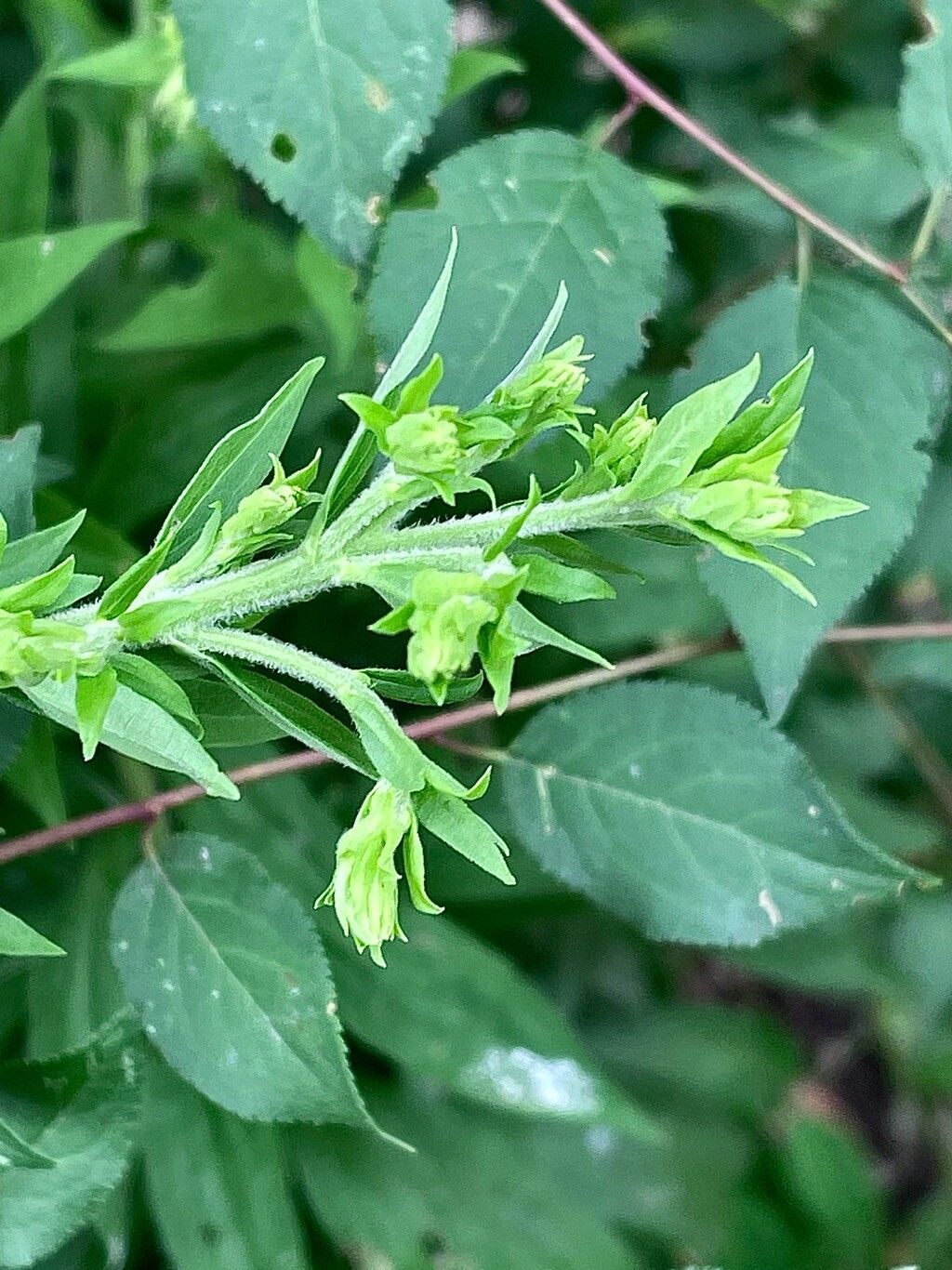
Hello fellow garden enthusiasts! Today, we’re diving into the wonderfully cheerful world of Solidago altissima, commonly known as tall goldenrod. If you love that burst of golden sunshine in late summer and fall, you’re in for a treat. Growing more of this beauty is easily within your reach, and I promise, it’s a very rewarding journey. For beginners? You’ll be delighted to know that propagating goldenrod is incredibly forgiving. Think of it like making a new friend – it’s usually a smooth and happy process!
The Best Time to Start
When your goldenrod is really showing off its vigor is usually the sweet spot. For most propagation methods, I find the late spring or early summer to be ideal. This is when the plant is actively growing and has plenty of energy to dedicate to rooting. You’re essentially tapping into its prime growth phase, which significantly boosts your chances of success.
Supplies You’ll Need
Gathering your tools beforehand makes the whole process so much smoother. Here’s what I usually have on hand:
- Sharp pruning shears or a clean knife: For clean cuts.
- Potting mix: A good quality, well-draining mix is key. I like to use a blend of peat moss, perlite, and compost.
- Small pots or seed trays: For your new little plantlets.
- Watering can with a fine rose attachment: For gentle watering.
- Rooting hormone (optional but helpful): Especially if you’re a little nervous. It gives those cuttings a good head start.
- A plastic bag or propagator lid: To create a humid environment.
- Labels and a marker: So you don’t forget what you planted where!
Propagation Methods
Goldenrod is wonderfully versatile, and I find a couple of methods work like a charm.
Division: The Time-Tested Favorite
This is my absolute go-to for goldenrod because it’s so straightforward and the parent plant usually needs thinning anyway!
- Dig Up: In early spring, before new growth really takes off, dig up your established goldenrod clump. I like to use a spade and gently loosen the soil around the edges.
- Shake and Separate: Gently shake off excess soil so you can see the root structure. You’ll see multiple crowns or stems emerging from the root ball.
- Divide Carefully: Using your hands or a trowel, carefully pull or cut the clump apart into smaller sections. Each section should have at least a couple of healthy stems and some good roots. Don’t worry if it looks a bit rough; goldenrod is tough!
- Replant: Immediately replant these divisions into their new homes or into prepared pots. Water them thoroughly.
Stem Cuttings: For a Bit More Patience
This method takes a little longer but is satisfying when you see those roots form.
- Take Cuttings: In late spring or early summer, select healthy, non-flowering stems. Using your sharp shears, take cuttings about 4-6 inches long. Make the cut just below a leaf node (where a leaf attaches to the stem).
- Prepare Cuttings: Gently remove the lower leaves from the cutting, leaving just a few at the top. If you’re using rooting hormone, dip the cut end into it now.
- Plant Them Up: Fill small pots with your well-draining potting mix. Make a small hole with a pencil or your finger and insert the cut end of the stem, firming the soil gently around it.
- Create Humidity: Water the soil lightly. Then, place a plastic bag over the pot or cover it with a propagator lid. This traps moisture and keeps the cuttings happy.
The “Secret Sauce” (Pro Tips)
Here are a few little tricks I’ve learned over the years that make a big difference:
- Don’t Drown Your Cuttings: When doing stem cuttings, ensure no leaves are touching the soil surface if you’ve planted them directly into a pot. This can encourage rot. If you’re propagating in water (which I find less reliable for goldenrod, but some try), make sure the leaf nodes are submerged but the leaves themselves are above the water.
- Bottom Heat is Your Friend: If you’re working with stem cuttings and want to speed things up, placing your pots on a heat mat can really encourage root development. It mimics the warmth of spring soil.
- Embrace the Imperfect Cut: For divisions, while a clean cut is great, don’t stress if your divisions are a little ragged. Goldenrod is remarkably resilient and will usually bounce back.
Aftercare & Troubleshooting
Once your divisions are replanted or your cuttings show signs of rooting (you’ll see new growth or feel a slight tug when you gently test a cutting), it’s time for a little TLC.
- Watering: Keep the soil consistently moist but not waterlogged. As the new plants establish, you can gradually reduce watering frequency.
- New Growth is a Good Sign: The first sign of success is usually new leaf or stem growth. For cuttings, you can gently tug on them; if there’s resistance, you’ve got roots!
- Watch for Rot: The most common issue is rot, which looks like mushy, black stems. This is usually due to overwatering or poor drainage. If you see this, try to remove the affected part immediately. Ensure good air circulation.
A Little Encouragement
Propagating plants is a wonderful way to connect with nature’s cycles. Be patient with your new goldenrod babies. Some might take longer than others, and that’s perfectly okay. Enjoy the process, celebrate every little success, and soon you’ll have even more of that brilliant golden glow brightening your garden! Happy growing!
Resource:
https://identify.plantnet.org/k-world-flora/species/Solidago%20altissima%20L./data