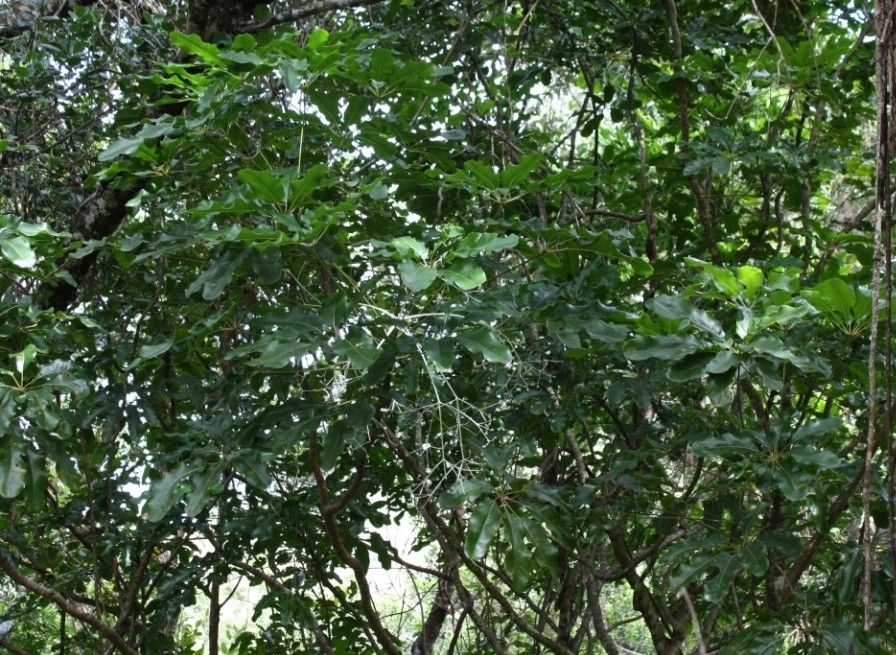
Oh, hello there! Come on in, grab a cuppa. Today, we’re going to talk about a plant that’s truly captured my heart over the years: the Plerandra nono. You know, those gorgeous glossy leaves, the way they add such an architectural flair to a space. They’re a joy to grow, and guess what? Propagating them is surprisingly rewarding, even for those of you just starting out on this green adventure. It’s a fantastic way to fill your home with more of that lovely foliage without breaking the bank!
The Best Time to Start
When you’re looking to give your Plerandra nono a little head start, aim for spring or early summer. This is when the plant is really bursting with energy, or, as we gardeners like to say, in its active growing phase. This means any cuttings you take will have a better chance of rooting and thriving. Trying to do it when the plant is resting in winter can be a bit more of a gamble.
Supplies You’ll Need
To get our little Plerandra nono babies started, you’ll want a few things on hand:
- Sharp Pruning Shears or a Knife: Clean cuts are key!
- Rooting Hormone (Optional but Recommended): This gives your cuttings a little boost. You can find powders or gels.
- Well-Draining Potting Mix: I prefer a mix of perlite, peat moss, and a bit of good quality potting soil. Think fluffy and airy!
- Small Pots or Seedling Trays: Clean ones are a must to prevent disease.
- Plastic Bag or Humidity Dome: To keep that humidity nice and high for your cuttings.
- Watering Can with a Fine Rose: Gentle watering is appreciated.
Propagation Methods
Let’s get our hands dirty! The most common and usually successful way to propagate Plerandra nono is through stem cuttings.
Stem Cuttings
- Taking the Cutting: Find a healthy, non-flowering stem. Make a clean cut just below a leaf node (that little bump where a leaf grows from the stem). You’re looking for a piece that’s about 4-6 inches long. Remove the lower leaves, leaving just a couple at the top.
- Applying Rooting Hormone: Dip the cut end of the stem into your rooting hormone, tapping off any excess. This step isn’t strictly necessary, but it can really speed things up and improve your success rate.
- Planting the Cutting: Fill your small pot with your prepared potting mix. Make a small hole in the center with your finger or a pencil. Gently insert the cut end of the stem into the hole, ensuring it’s snug. Firm the soil gently around the base.
- Watering: Water the soil thoroughly until it drains from the bottom.
- Creating the Humid Environment: Cover the pot with a plastic bag or place it under a humidity dome. You can use a chopstick or two to keep the bag from touching the leaves.
Water Propagation
This is a lovely, visual method!
- Prepare the Cutting: Just like with stem cuttings, take a healthy sprig and remove the lower leaves.
- Place in Water: Pop the cutting into a clean jar or glass of water. Make sure no leaves are submerged in the water, as this can lead to rot.
- Location: Place the jar in a bright spot that gets indirect sunlight.
- Change the Water: Change the water every few days to keep it fresh. You’ll start to see those little white roots emerge within a few weeks.
- Potting Up: Once the roots are about an inch long, you can then pot up your cutting into soil.
The “Secret Sauce” (Pro Tips)
Here are a couple of things I’ve learned over the years that can make a real difference:
- Bottom Heat is Your Friend: If you can, pop your potted cuttings on a heat mat. Roots are like little seedlings; they love a bit of warmth coming from below to encourage them to grow. It’s often the difference between success and just waiting around!
- Don’t Let Those Leaves Touch the Water: I know I mentioned it for water propagation, but it’s equally true if you’re misting cuttings in soil. Any leaves sitting in dampness are a magnet for fungus. Keep them up and away from the moisture.
Aftercare & Troubleshooting
Once you see those new roots developing – hooray! For potted cuttings, you can gradually remove the plastic bag or dome over a few days to acclimate them to normal humidity. Keep the soil consistently moist but not waterlogged. Think of it like a wrung-out sponge.
What if things go wrong? The most common issue is rot. If your cutting turns mushy and black, sadly, it’s usually a sign of too much moisture and not enough air circulation. If you see this, remove the affected cutting immediately. Sometimes, the leaves might start to yellow, which can mean it’s getting too much direct sun or not enough water. Just observe your little ones and adjust accordingly.
A Little Encouragement
Propagating plants is a journey, and each new cutting is a little experiment. Be patient, enjoy the process, and don’t get discouraged if every single one doesn’t root perfectly. The satisfaction of seeing a tiny cutting grow into a beautiful, established plant is just incredible. Happy propagating!
Resource: