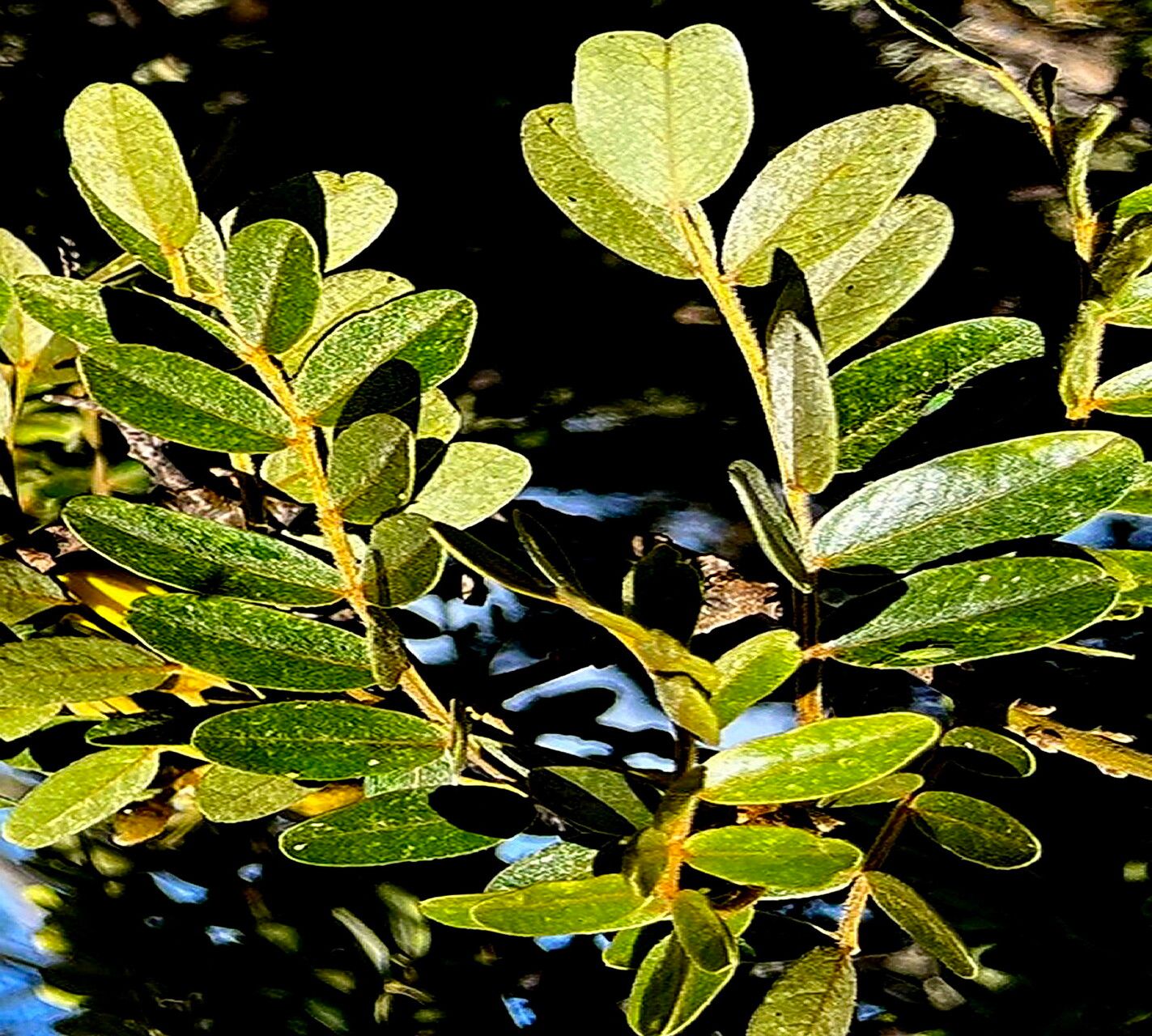
Hello fellow plant lovers! Today, we’re diving into something truly special: propagating Sophora chrysophylla, often called the Kowhai. If you’re drawn to those stunning, golden bell-shaped flowers that grace its branches in spring, you’re not alone. Watching a tiny cutting transform into a flourishing new tree is one of gardening’s greatest joys. And with the Kowhai, the satisfaction is even sweeter. Now, is it a walk in the park for absolute beginners? I’d say it’s moderately challenging, but with a little patience and some know-how, you’ll be rewarded with your own little piece of New Zealand’s sunshine.
The Best Time to Start
For the highest success rate with Sophora chrysophylla cuttings, I find late spring to early summer is your golden ticket. This is when the plant is actively growing, its energy is high, and those semi-hardwood stems have just the right balance of flexibility and woody structure. Aim for stems that are still a bit pliable but have started to firm up – not the brand new, floppy green tips, and definitely not the old, hard woody branches.
Supplies You’ll Need
Gathering your tools beforehand makes the whole process smoother. Here’s what I always have on hand:
- Sharp, clean pruning shears or a keen knife: Essential for making clean cuts that heal best.
- Rooting hormone: While not always strictly necessary, it can significantly boost your success rate and speed up root development. I prefer a powder form for cuttings.
- Well-draining potting mix: A coir-based mix with added perlite or coarse sand works wonderfully. Avoid anything too heavy that retains too much moisture.
- Small pots or seed trays: Clean containers with drainage holes are a must.
- Clear plastic bags or a propagator: To create a humid microclimate for your cuttings.
- Watering can with a fine rose: For gentle watering.
- Labels and a marker: To keep track of what you’ve planted and when.
Propagation Methods: Stem Cuttings
Stem cuttings are hands-down the most effective way I’ve found to propagate Sophora chrysophylla. Here’s how I do it:
- Select Your Material: In late spring or early summer, choose healthy, disease-free stems that are about pencil-thick. Look for those with a bit of firm growth. You want pieces that are roughly 4-6 inches long.
- Take the Cutting: Using your sharp pruning shears or knife, make a clean cut just below a leaf node (the point where a leaf attaches to the stem). This is where the magic of rooting often happens. Remove the lower leaves, leaving just the top couple of leaves intact. If these top leaves are very large, you can cut them in half to reduce water loss.
- Prepare for Rooting: Dip the cut end of your stem into rooting hormone, tapping off any excess.
- Plant Your Cuttings: Fill your clean pots with your well-draining potting mix. Make a small hole with a pencil or your finger and insert the prepared cutting, ensuring the hormonal end is in contact with the soil. Gently firm the soil around the base of the cutting.
- Create a Humid Environment: Water the soil thoroughly but gently. Then, cover the pot with a clear plastic bag or place it in a propagator. This traps moisture and keeps the humidity high, which is crucial for cuttings to root without drying out. You can secure the bag with a rubber band around the pot. Ensure the leaves do not touch the plastic bag if possible; if they do, trim them slightly.
The “Secret Sauce” (Pro Tips)
Over the years, I’ve learned a few little tricks that really make a difference for these particular cuttings:
- The “Heel” Method: Sometimes, when taking a cutting, I’ll try to gently pull a small sliver of bark and wood from the parent stem with the cutting. This is called taking a “heel,” and it can sometimes encourage faster and stronger rooting. Don’t force it though; it’s a delicate art!
- Bottom Heat is Your Friend: If you have a heat mat designed for propagators, placing your cuttings on bottom heat (around 20-22°C or 68-72°F) can dramatically speed up root formation. It’s like giving your cuttings a warm, cozy incubator.
- Patience with the Parent Plant: Before you even take cuttings, take a moment to observe the parent plant. A healthy, vigorous plant will always yield healthier cuttings. Don’t be tempted to take cuttings from plants that look stressed or are showing any signs of disease – it’s much more likely to fail.
Aftercare & Troubleshooting
Once you’ve planted your cuttings, the real waiting game begins. Keep the pots in a bright location out of direct sunlight. Water the soil whenever the surface feels dry to the touch, but avoid waterlogging.
You’ll know your cuttings are rooting when you see new leaf growth and a gentle tug reveals resistance. This can take anywhere from 4-12 weeks, so don’t get discouraged if it takes time.
Troubleshooting:
- Wilting: This is usually a sign of underwatering or the cutting not being able to take up moisture because it hasn’t rooted yet. Ensure the humidity is high and the soil is moist.
- Rotting: This is the most common failure and is almost always due to overwatering and poor drainage. If the stem turns black and mushy at the soil line, it’s usually a goner. Make sure your soil is free-draining and only water when necessary. That clear plastic bag is key for humidity, but not for keeping the soil drowning wet.
- No Roots: Be patient! Sometimes they just take their sweet time. If you’ve given it ample time (say, 3 months) and there’s no sign of life, it might be that the cutting wasn’t viable, or conditions weren’t quite right.
Happy Growing!
Propagating Sophora chrysophylla is a wonderful journey. It’s about patience, observation, and learning from each cutting. Don’t get disheartened if your first few attempts aren’t a resounding success. Every gardener has learned through trial and error, and the joy of nurturing a new life from a simple stem is truly unmatched. So, grab your shears, get your hands in the soil, and enjoy the process of watching your own little Kowhais grow!
Resource:
https://identify.plantnet.org/k-world-flora/species/Sophora%20chrysophylla%20(Salisb.)%20Seem./data