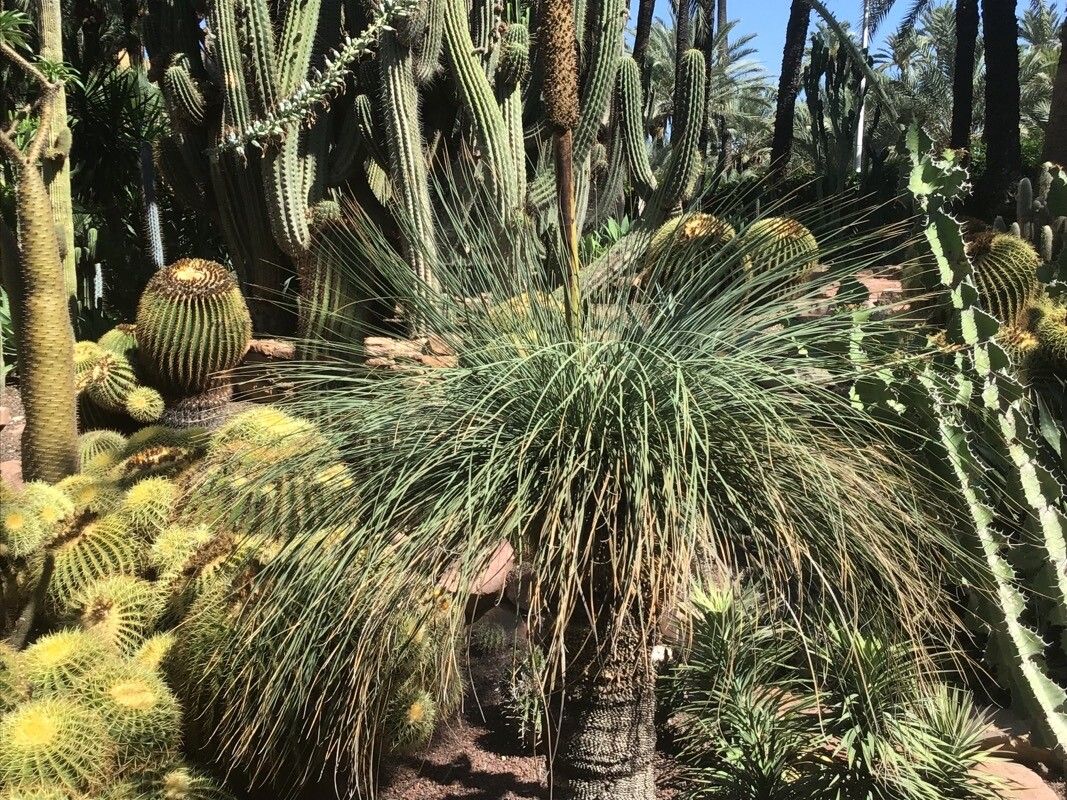
Oh, you beautiful Balga! It’s no wonder Xanthorrhoea preissii, or the Western Australian Grass Tree, captivates so many us. With its spiky crown of foliage erupting from a gnarled, ancient-looking trunk, it truly looks like something dug up from prehistoric times. Propagating these beauties is a deeply satisfying endeavor, a way to share a piece of that wild Australian magic. Now, I won’t lie to you – Xanthorrhoea can be a bit of a challenge, especially for absolute beginners. But don’t let that deter you! With a little patience and the right approach, you can absolutely succeed. Seeing that first tiny leaf unfurl on a cutting you nurtured is pure joy.
The Best Time to Start
For the highest success rate, aim to propagate your Xanthorrhoea preissii in late spring to early summer. This is when the plant is actively growing and has ample energy reserves. You’re essentially mimicking the conditions where it would naturally sprout new growth. Avoid propagating during the cooler, dormant months.
Supplies You’ll Need
Gathering your tools beforehand makes the whole process smoother. Here’s what I always have on hand:
- Sterilized pruning shears or a sharp knife: Cleanliness is key to preventing disease.
- Well-draining potting mix: A blend of coarse sand, perlite, and a little peat moss or compost works wonders. Think gritty!
- Rooting hormone powder or gel (optional but recommended): This gives your cuttings a fighting chance.
- Small pots or trays: Make sure they have drainage holes.
- Plastic bags or a small propagator: To create a humid environment.
- Sharpie or plant labels: For keeping track of your precious propagations.
- Long-handled spade or trowel: If you’re attempting division.
Propagation Methods
While Xanthorrhoea preissii doesn’t readily propagate from typical stem cuttings like many other plants, division of the base and handling of basal shoots are your most reliable methods. Growing from seed is also an option, but it’s a much slower and more involved process that often requires scarification and specific stratification techniques. Let’s focus on what usually works best for home gardeners.
Method 1: Division of Basal Shoots
This is the most common and successful method for home propagation. You’re essentially taking offsets or pups that naturally form at the base of a mature plant.
- Choose your parent plant: Select a healthy, mature Xanthorrhoea that shows signs of producing new growth at its base.
- Gently unearth: Carefully dig around the base of the parent plant to expose the basal shoots. You want to isolate a shoot that has its own root system developing.
- Sever cleanly: Using your sterilized pruning shears or knife, carefully cut the shoot away from the main trunk. Try to make a clean cut, ensuring the pup has as many of its own roots as possible. If there are no visible roots yet, that’s okay, but it will take longer to establish.
- Allow to callus: Let the cut end of the pup dry out for a few days in a dry, shaded spot. This helps to prevent rot.
- Potting up: Fill your small pots with your well-draining potting mix. Make a small hole in the center and plant the basal shoot, ensuring the roots are spread out. The base of the grass tree should be just at or slightly above soil level.
- Water sparingly: Water the pot lightly. You don’t want to drench it; just enough to settle the soil.
- Provide humidity: Cover the pot loosely with a plastic bag or place it in a propagator to maintain humidity. Ensure the leaves don’t touch the plastic.
- Place in bright, indirect light: Avoid direct sun at this stage.
Method 2: Growing from Seed (A Patient Gardener’s Task)
If you have access to fresh seeds, this is a rewarding, albeit lengthy, journey.
- Seed prep: Xanthorrhoea seeds often need a little coaxing. You might need to gently scarify the hard seed coat by lightly rubbing it with sandpaper. Some growers also recommend a period of cold stratification by storing seeds in moist sand in the refrigerator for a few months.
- Sow the seeds: Sow them on the surface of a very well-draining seed-starting mix.
- Keep them warm and moist: Place the seed tray in a warm spot and cover with a clear lid or plastic wrap. Mist regularly to keep the surface moist.
- Be patient: Germination can take anywhere from a few weeks to several months.
The “Secret Sauce” (Pro Tips)
Here are a few tricks I’ve learned over the years that can make all the difference:
- Don’t overwater, ever! This is the Achilles’ heel of propagating many arid and succulent-like plants. They are built to withstand drought, not waterlogged conditions. Let the soil almost dry out between waterings.
- Bottom heat is your friend: For basal shoots, placing your pots on a seedling heat mat can significantly speed up root development. It mimics the warmth of the soil in their natural habitat and encourages those roots to emerge.
- Sterilize, sterilize, sterilize! I cannot stress this enough. Every tool, every pot, every bit of soil should be as clean as possible. Fungal and bacterial infections are the quickest way to lose a precious baby Xanthorrhoea.
Aftercare & Troubleshooting
Once you see signs of new growth – a new tuft of leaves emerging – that’s your cue that roots are forming!
- Gradually acclimatize: Slowly remove the plastic covering over a week or two, allowing the new plant to adjust to normal humidity.
- Continue with bright, indirect light.
- Watering: Once established, water as you would a mature Xanthorrhoea, allowing the soil to dry out between waterings.
- Troubleshooting: The most common problem is rot, identified by a mushy, discolored stem or base. If you see this, act fast! Remove the affected part with a clean knife and try to let the remaining healthy section dry out. It’s a tough diagnosis, but sometimes they can still recover. Other signs of distress include wilting or yellowing leaves, which can also point to overwatering or poor drainage.
A Encouraging Closing
Propagating Xanthorrhoea preissii is a journey. There might be a few bumps along the road, and it takes time for these ancient-looking plants to mature. But trust me, the reward of nurturing a new life from an existing one is immense. Be patient, observe your plant closely, and enjoy the process. Happy gardening!
Resource:
https://identify.plantnet.org/k-world-flora/species/Xanthorrhoea%20preissii%20Endl./data