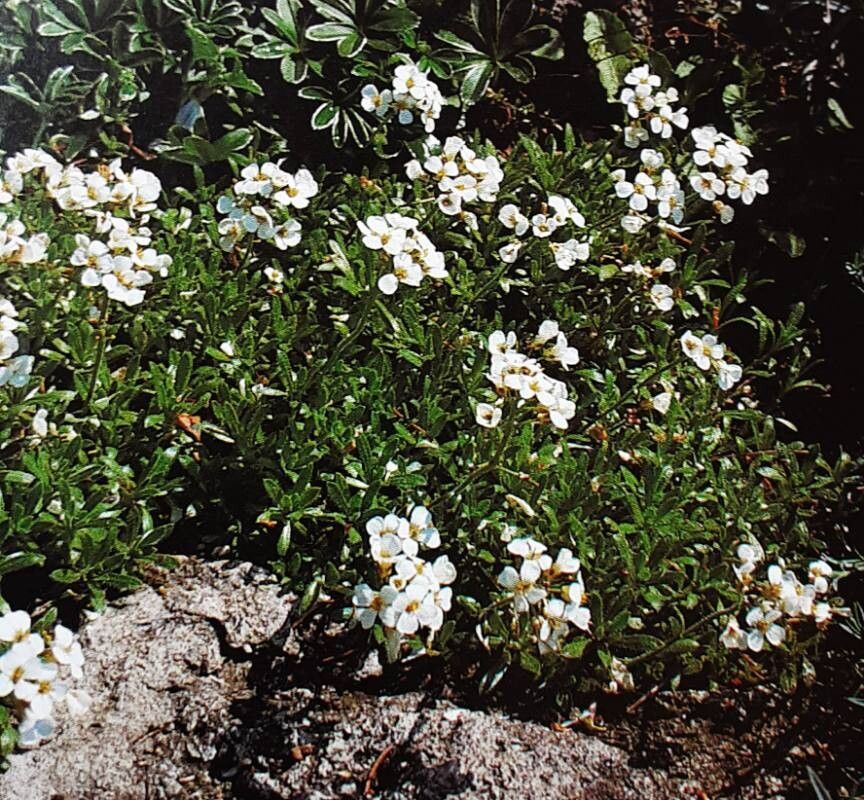
Hello there, fellow garden enthusiasts! Today, we’re diving into the wonderful world of propagating Arabis carduchorum. If you love those delicate, often fragrant, starry white flowers that cascade over rocks and walls, you’re in for a treat. Growing more of this beauty from your existing plants is surprisingly satisfying, and honestly, not as daunting as you might think. For beginners, I’d say Arabis carduchorum is a pretty welcoming plant to start experimenting with. You’ll be rewarded with more of those charming blooms gracing your garden in no time!
The Best Time to Start
For the highest success rate with Arabis carduchorum, I’ve found that late spring to early summer is absolutely the prime time to get started. This is when the plant is actively growing, and the new shoots are firm but still pliable. This vigorous growth phase gives your cuttings the best chance to establish themselves quickly. Don’t worry if you miss this window; you can often have success with a second round in late summer, though the roots might take a little longer to develop before winter.
Supplies You’ll Need
Gathering your tools beforehand makes the whole process smoother. Here’s what I always have on hand:
- Sharp pruning shears or a clean knife: For making neat cuts.
- Rooting hormone (optional but recommended): Helps encourage those roots to form. Look for one with a fungicide to prevent rot.
- Well-draining potting mix: A blend of equal parts perlite and peat moss or coco coir works beautifully. You can also add a little compost.
- Small pots or seed trays: Clean ones are essential to prevent disease.
- Watering can with a fine rose or a spray bottle: For gentle watering.
- Plastic bags or propagation domes: To create a humid environment.
- Labeling tags and a marker: So you don’t forget what you planted!
Propagation Methods
There are a couple of really effective ways to grow more Arabis carduchorum. I personally lean towards stem cuttings as they’re generally the most reliable.
Stem Cuttings
This is my go-to method for Arabis carduchorum.
-
Take Cuttings: Using your clean shears, look for healthy, non-flowering shoots that are about 4-6 inches long. Make a clean cut just below a leaf node (where a leaf joins the stem). Remove the lower leaves, leaving only the top few at the tip.
-
Prepare the Cuttings: If you’re using rooting hormone, dip the cut end of each stem into it. You don’t need to soak it; just a light dusting is fine. Tap off any excess.
-
Plant the Cuttings: Fill your pots or trays with your well-draining potting mix. Make a small hole in the center of the mix with your finger or a pencil. Gently insert the cut end of the Arabis cutting into the hole, making sure at least one leaf node is buried. Firm the soil gently around the stem.
-
Water and Cover: Water the soil thoroughly but gently. You want it to be moist, not waterlogged. Then, cover the pot with a plastic bag or a propagation dome to create a humid microclimate. This is crucial for preventing the cuttings from drying out before they can root.
-
Placement: Place the pots in a bright location out of direct sunlight. A windowsill that gets bright, indirect light is ideal.
Division
This method is best done when you’re transplanting or tidying up your existing Arabis plants, usually in early spring or early autumn.
-
Gently Unearth: Carefully dig up the entire plant, trying to disturb the roots as little as possible. Shake off excess soil so you can see the structure of the root ball.
-
Separate New Shoots: Look for sections of the plant that have healthy shoots and their own roots. You can often gently pull apart these sections with your hands. If a clump is particularly stubborn, use a clean trowel or knife to help separate it. Aim for divisions that have a good balance of roots and shoots.
-
Replant Immediately: Plant your divisions in their new garden spot or into pots using your well-draining potting mix. Water them in well.
The “Secret Sauce” (Pro Tips)
Here are a couple of little tricks I’ve learned over the years that really make a difference:
- Don’t let the leaves touch the water! If you’re doing water propagation (though I find it less successful for Arabis than cuttings in soil), make sure only the bare stem is submerged. Any submerged leaves will rot, and that rot can quickly spread to the cutting, dooming it.
- Bottom Heat is Your Friend: If you have a seedling heat mat, placing your pots on it can significantly speed up root development. It mimics the warmth of spring soil and gives those cuttings a real boost. It’s not absolutely necessary, but it’s a fantastic accelerator.
Aftercare & Troubleshooting
Once your cuttings have rooted (you can gently tug on a stem; if there’s resistance, you have roots!), it’s time for them to get used to life outside their humid little bubble.
-
Harden Off: Gradually remove the plastic cover for increasing periods each day over a week or so. This allows the young plants to adjust to lower humidity.
-
Watering: Continue to keep the soil consistently moist but not soggy. As they grow larger, you can start watering them a bit less frequently, allowing the top inch of soil to dry out between waterings.
-
Transplanting: Once your new Arabis plants are a good size and have a healthy root system, you can transplant them to their permanent garden locations or into larger pots.
Troubleshooting: The most common issue you’ll encounter is rot. This usually happens if the soil is too wet, or if there’s not enough airflow. If you see stems turning mushy and brown, sadly, that cutting is likely lost. The best prevention is using well-draining soil, not overwatering, and ensuring good air circulation.
A Bittersweet Farewell (for now!)
Propagating plants is a journey, and like any journey, there will be moments of triumph and maybe a few little bumps along the way. Be patient with your Arabis cuttings. Keep them in good conditions, and celebrate each tiny new leaf and the eventual appearance of roots. The joy of nurturing a new plant from a tiny piece of your favorite one is truly special. Happy gardening!
Resource:
https://identify.plantnet.org/k-world-flora/species/Arabis%20carduchorum%20Boiss./data