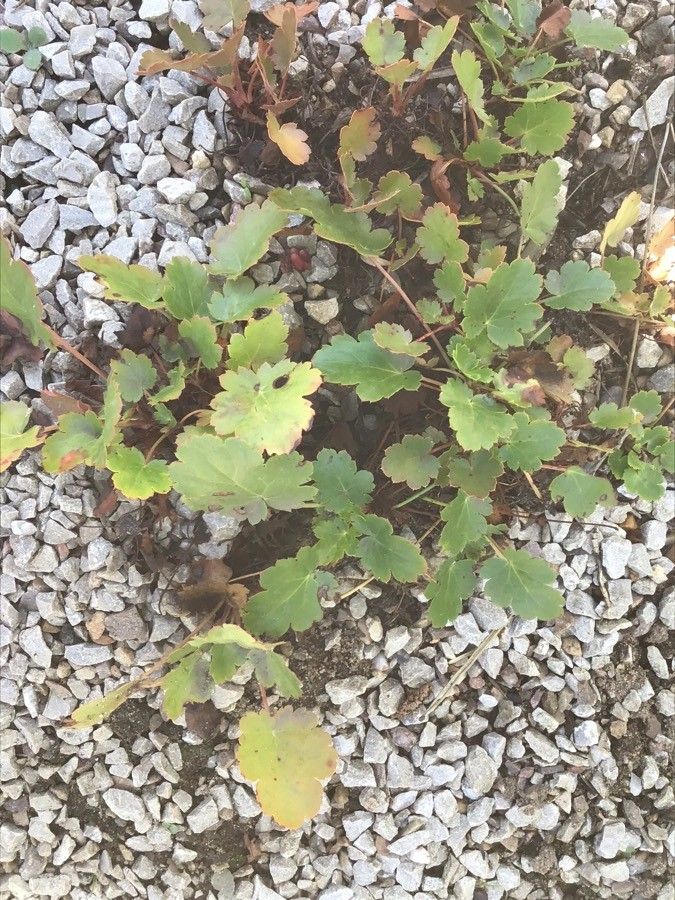
Hello fellow garden enthusiasts! If you’re anything like me, you’re captivated by the gorgeous foliage of Heuchera merriamii. Those intricately veined, sometimes jewel-toned leaves are just stunning, aren’t they? They bring such wonderful texture and color to shady spots, and the little bell-shaped flowers are a delightful bonus.
Now, you might be wondering about propagating this beauty. I’ve found Heuchera merriamii to be a reasonably beginner-friendly plant to multiply, especially if you choose the right method. It’s incredibly rewarding to see a tiny cutting or division transform into a healthy plant, doesn’t it? It’s like growing your garden, one little whisper of green at a time.
The Best Time to Start
For the best odds of success, I always recommend propagating Heuchera merriamii in late spring or early summer. This is when the plant is actively growing and has plenty of energy to dedicate to new root development. You want to catch it at a vigorous growth phase. Think of it as giving it the boost it needs to get started on its new life.
Supplies You’ll Need
Getting your supplies ready makes the whole process smoother. Here’s what I usually have on hand:
- Sharp pruning shears or a clean knife: For making clean cuts.
- Potting mix: A well-draining mix is crucial. I often use a blend of peat moss, perlite, and a little compost. Some gardeners swear by a specific houseplant mix, which can also work.
- Small pots or trays: Clean pots are important to prevent disease.
- Rooting hormone (optional but helpful): This can give your cuttings a real boost.
- Watering can with a fine rose or spray bottle: For gentle watering.
- Plastic bags or a propagation dome: To create a humid environment.
- Labels: So you don’t forget what you planted!
Propagation Methods
There are a couple of ways to go about this, but my favorite for Heuchera merriamii is division. It’s often the most straightforward and successful for this plant.
Method 1: Division (My Go-To!)
This is my preferred method because it utilizes the plant’s natural growth habit.
- Gently excavate: In late spring or early summer, carefully dig up your Heuchera merriamii plant. Loosen the soil around it with a trowel or spade.
- Clean the root ball: Gently brush away excess soil from the roots. You want to be able to see the main crown of the plant and where individual stems emerge.
- Divide the crown: Look for natural breaks in the crown where clusters of leaves and roots are forming. Using your clean hands or a gently sawing motion with your knife or shears, separate the divisions. Each division should have some healthy roots and at least one or two leafy shoots.
- Replant immediately: Once you have your divisions, replant them right away. Give them their own spot in a prepared bed or pot them up with that good, well-draining soil mix.
- Water thoroughly: Water them in gently but thoroughly to settle the soil and reduce transplant shock.
Method 2: Stem Cuttings (If You’re Feeling Adventurous!)
This method is a bit more involved but can be very rewarding.
- Take cuttings: In late spring or early summer, select healthy stems that are not flowering. Using your clean shears, cut stems that are about 3-4 inches long, making the cut just below a leaf node (where a leaf attaches to the stem).
- Prepare the cuttings: Gently remove the lower leaves from the cutting, leaving just two or three leaves at the top. If the leaves are very large, you can even cut them in half horizontally to reduce water loss.
- Dip in rooting hormone (optional): If you’re using rooting hormone, dip the cut end of each stem into it. Tap off any excess.
- Plant the cuttings: Fill small pots with your well-draining potting mix. Make a small hole with your finger or a pencil and insert the cutting, ensuring the leaf nodes are buried in the soil.
- Water and cover: Water the pot gently and then cover it with a plastic bag or propagation dome to create a humid environment. You can secure the bag with a rubber band around the pot.
The “Secret Sauce” (Pro Tips)
Here are a couple of things I’ve learned over the years that really make a difference:
- Don’t overcrowd: When dividing, resist the urge to pack too many divisions into one pot or space. Give each one enough room to breathe and grow. It’s better to have a few healthy plants than many struggling ones.
- Air circulation is key: For cuttings, while you want humidity, don’t let the leaves touch the inside of the bag or dome. This can lead to rot. If you see condensation building up excessively, take the cover off for an hour or so to let it air out.
- Patience with division: Even though we replant divisions right away, they might look a bit sad for a week or two. This is normal! They’re just adjusting to their new home. Don’t panic if they don’t perk up immediately.
Aftercare & Troubleshooting
Once your divisions or cuttings have taken root (you might see new growth, or if you gently tug, there will be resistance), it’s time for a little extra care.
- Gradual acclimatization: If you used a bag or dome, gradually introduce your new plants to drier air by removing the cover for longer periods each day.
- Consistent moisture: Keep the soil consistently moist but not waterlogged. This is a delicate balance. Overwatering is the quickest way to invite trouble.
- Watch for rot: The most common issue you’ll face is rot. If you see mushy stems or leaves turning black and slimy, it’s usually a sign of too much moisture and not enough air circulation. If you spot it early, you might be able to save the plant by removing affected parts and letting it dry out a bit.
- New growth is your indicator: The best sign of success is new leaf growth. This tells you that roots are forming and the plant is happy.
A Little Encouragement
Propagating plants is such a wonderful journey of discovery. It teaches us a lot about patience and observation. Don’t be discouraged if your first attempt isn’t perfect. Every gardener has had plants they’ve tried to multiply that didn’t make it. Just dust yourself off, learn from it, and try again. Enjoy the process of nurturing these new little heucheras – you’ve got this!
Resource:
https://identify.plantnet.org/k-world-flora/species/Heuchera%20merriamii%20Eastw./data