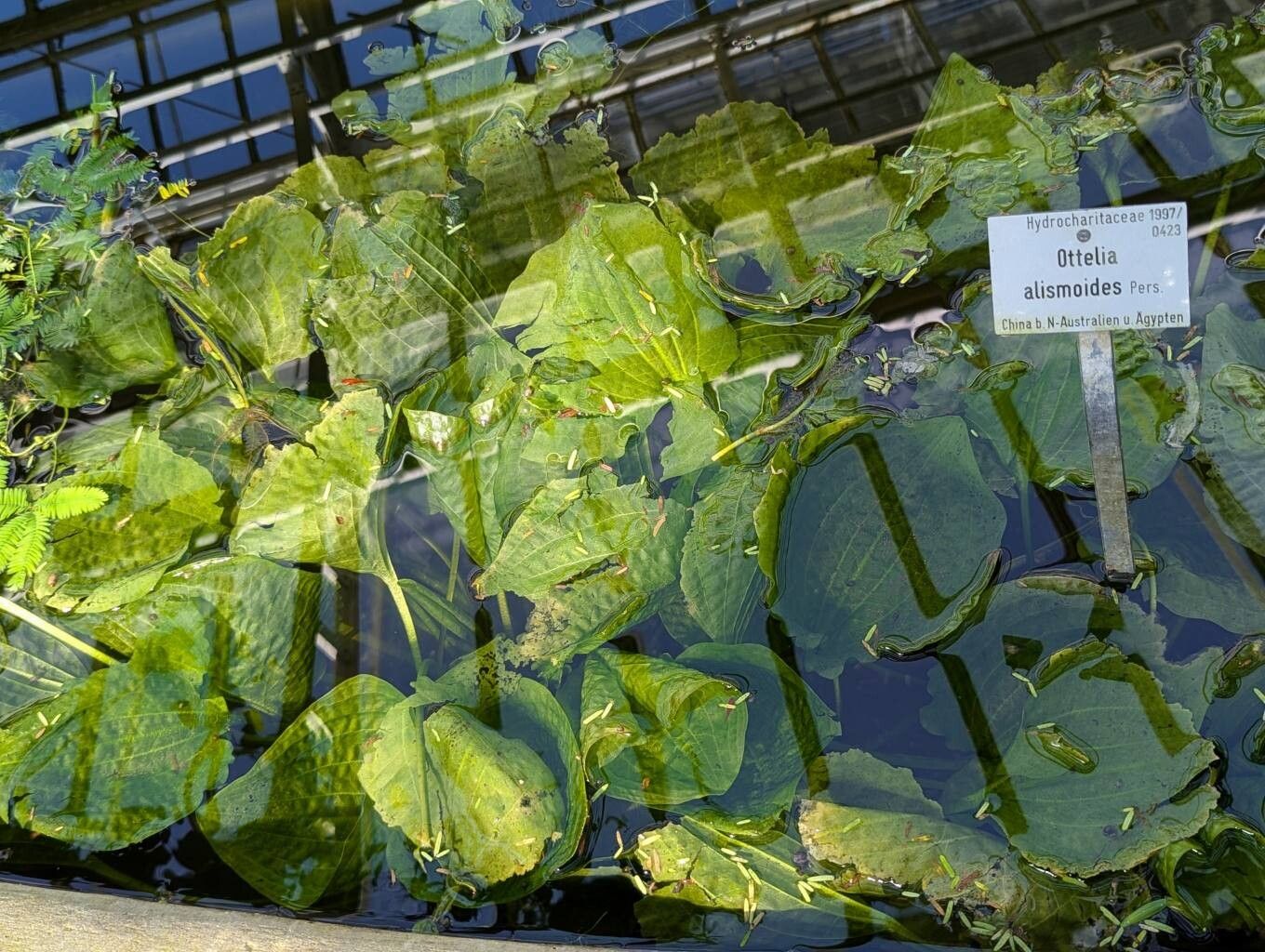
Oh, Ottelia alismoides! You know, that gorgeous aquatic plant with those lovely, almost heart-shaped leaves that just float so gracefully on the water’s surface? It’s a real beauty, and honestly, one of my favorite little water plants to work with. There’s a special kind of joy in watching a tiny fragment or a seed sprout into a whole new plant, isn’t there? It’s like unlocking a little bit of plant magic.
Now, if you’re new to aquatic gardening, you might be wondering about difficulty. Ottelia alismoides is generally considered fairly easy to propagate once you get the hang of it. It’s not one of those fussy plants that demands perfection. A little care and attention, and you’ll be well on your way to more of these beauties.
The Best Time to Start
Here’s a little secret: spring and early summer are your golden ticket for propagating Ottelia alismoides. This is when the plant is enthusiastically growing, channeling all its energy into producing new shoots and leaves. Starting when the plant is in full swing gives your cuttings or divisions the best shot at striking roots quickly. You want to catch it at its most vigorous!
Supplies You’ll Need
Before we dive in, let’s gather our tools. Don’t worry, it’s nothing fancy!
- Sharp, clean pruning shears or scissors: Essential for making clean cuts that heal well.
- A small, sharp knife: Useful for separating plantlets.
- Containers: Can be small pots, trays, or even old yogurt cups with drainage holes if you’re using a substrate. For water propagation, clean jars or glasses work perfectly.
- Substrate (if not water propagating): A mix of aquatic plant substrate or a well-draining potting mix amended with perlite or coarse sand is ideal. Some growers even use just inert aquarium gravel.
- Rooting hormone (optional but helpful): A little dip can give cuttings a boost. I find the powder form easiest to work with for this plant.
- A shallow tray or another container: To hold pots for bottom watering.
- Water: Preferably dechlorinated or rainwater. Tap water can sometimes be a bit harsh for delicate new roots.
Propagation Methods
Ottelia alismoides is a trooper when it comes to making more of itself. The most common and successful methods involve getting new plantlets or dividing existing ones.
Method 1: Propagating from Runners/Plantlets
This is often the easiest way. Ottelia alismoides will sometimes produce little baby plants, called plantlets, on stolons or runners that emerge from the base.
- Inspect your mature plant: Look for any small, green shoots emerging from the base or on short stems away from the main plant.
- Gently separate: Once these plantlets are a decent size and have a few tiny leaves, carefully use a clean knife or your fingers to detach them from the parent plant. Try to get a little bit of a stem or base attached.
- Plant them up:
- In water: Place the detached plantlet directly into a clean jar or glass of dechlorinated water. Make sure the leaves are not submerged. You want the stem and any developing roots to be in the water.
- In substrate: If you prefer to plant them in a substrate, gently press the base of the plantlet into your prepared soil mix in a small pot or tray. Make sure the soil is moist but not waterlogged. You can place these pots into a shallow tray of water for consistent moisture.
- Provide light: Place your new propagations in a spot with bright, indirect light. Avoid direct, scorching sun.
Method 2: Division
If your Ottelia alismoides has become a bit of a clump, dividing it is a great way to get more plants and give the mother plant a bit of a refresh.
- Gently remove from its container or substrate: Carefully lift the entire plant out. If it’s in a planted tank, you might need to gently tease it out from the substrate.
- Inspect the root ball and crown: Look for where natural divisions occur. You’ll often see distinct crowns from which new leaves are emerging.
- Separate the divisions: Using your clean hands or a sharp knife, carefully split the plant into smaller sections. Each section should have its own roots and at least one or two healthy leaves. Be as gentle as possible to minimize damage to the roots.
- Replant:
- In water: Pot them into individual jars of water, as described above.
- In substrate: Plant each division into its own pot with moist substrate.
- Water them in: Ensure the substrate is moist or the water level is appropriate for each method.
The “Secret Sauce” (Pro Tips)
Alright, here are a few little tricks I’ve picked up over the years that can really make a difference.
- Don’t let the leaves touch the water when water propagating. This is a big one! Submerged leaves tend to rot, which can kill your cutting before it even has a chance to root. If your plantlets are large, you might need to trim off a lower leaf or two to keep them out of the water.
- Consider bottom heat. For cuttings planted in substrate, especially earlier in the season, placing their tray on a seedling heat mat can significantly speed up root development. It mimics the warmth of spring soil and gives those roots a gentle nudge.
- Be patient with rooting hormones. If you’re using rooting hormone, just a light dip is all you need. Too much can actually inhibit rooting. Let the excess powder drip off before planting.
Aftercare & Troubleshooting
Once your new Ottelia alismoides starts showing signs of life – you might see new leaf growth or feel a gentle tug when you try to lift it (that’s roots catching on!) – you’re doing great!
Continue to provide bright, indirect light and consistent moisture. If you’re water propagating, keep the water clean – change it every few days if it starts to get cloudy. If you’re using substrate, maintain that moist-but-not-waterlogged balance.
Now, what if things go wrong? The most common issue is rot. If you see mushy stems, blackened leaves, or your cutting simply dissolves, it’s usually a sign of too much moisture, poor air circulation, or the dreaded submerged leaves. Don’t get discouraged if this happens; it’s part of the learning process. Just toss the rotted bit, clean your container, and try again with the tips we discussed. Sometimes, a little bit of algae on the leaves is normal, especially in water culture, but if it’s overwhelming, try reducing the light intensity slightly.
A Encouraging Closing
Propagating this lovely plant is a journey, not a race. Celebrate the small victories – that first tiny root, a new leaf unfurling. Be patient with yourself and with your plants. The reward of nurturing new life and expanding your collection of Ottelia alismoides is truly worth every moment. Happy propagating!
Resource:
https://identify.plantnet.org/k-world-flora/species/Ottelia%20alismoides%20(L.)%20Pers./data