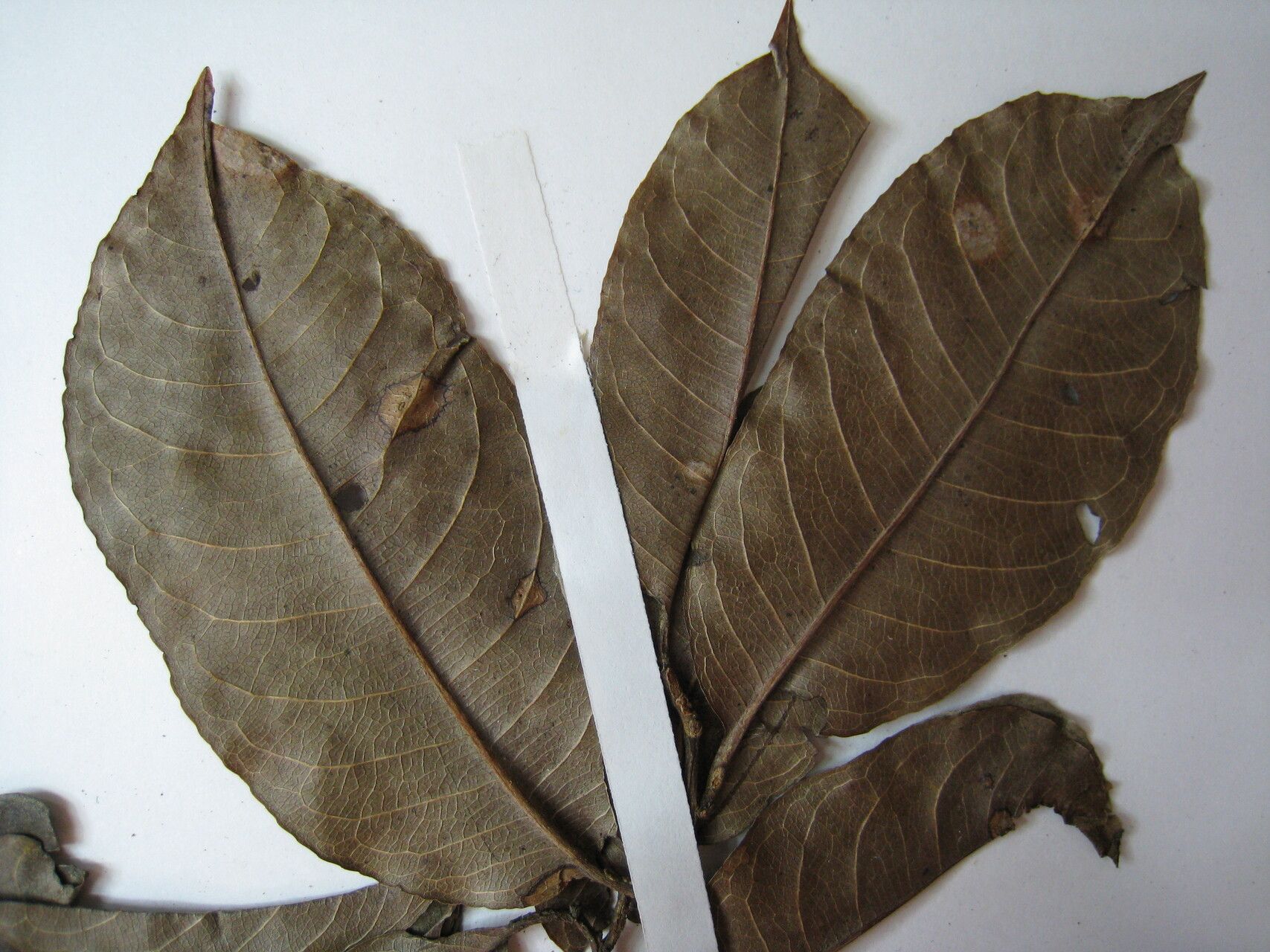
Hey there, fellow plant lovers! It’s so wonderful to have you join me today. We’re going to dive into propagating a real gem: Lecythis chartacea, also known as the Paradise Nut tree. Honestly, it’s a plant that just whispers of the tropics and boasts these beautiful, often overlooked flowers. The real reward, though, is creating a whole new generation of these sturdy, attractive trees from just a piece of the original. Now, for the beginners out there, I’ll be upfront – Lecythis chartacea isn’t the absolute easiest plant to start from scratch, but with a little patience and the right approach, it’s absolutely achievable and incredibly satisfying.
The Best Time to Start
When it comes to coaxing new life from Lecythis chartacea, timing is everything. I’ve found the sweet spot is usually during the active growing season, which for most of us means late spring through summer. You’ll want to look for semi-hardwood cuttings. That means stems that are no longer brand new and floppy but haven’t turned completely woody and tough yet. They should be a bit flexible, kind of like a firm pencil. This is when the plant has the most energy to put into rooting.
Supplies You’ll Need
Gathering your supplies before you begin makes the whole process much smoother. Here’s what I always have on hand:
- Sharp, clean pruning shears or a sharp knife: For making clean cuts.
- A good quality potting mix: I like a blend that offers excellent drainage. A mix of peat moss, perlite, and a bit of compost usually does the trick. You want it to be light and airy.
- Rooting hormone powder or gel: This isn’t strictly mandatory, but it significantly boosts your success rate.
- Small pots or trays: Clean ones are crucial to prevent disease.
- A plastic bag or propagation dome: To create a humid environment around your cuttings.
- Perlite or coarse sand: For improving drainage in your potting mix.
- Spray bottle: For misting.
Propagation Methods
The most reliable way I’ve found to propagate Lecythis chartacea is through stem cuttings. It’s a tried-and-true method for many woody plants, and with a little finesse, it works beautifully here.
- Select and Cut: Choose healthy, vigorous stems from your mature plant. As I mentioned, aim for that semi-hardwood stage. Using your clean shears, take cuttings that are about 4-6 inches long. Make the cut just below a leaf node (where a leaf attaches to the stem). This is where the magic really happens for root development.
- Prepare the Cutting: Gently remove the lower leaves from your cutting, leaving just a few at the top. This reduces moisture loss and prevents leaves from rotting once planted. If any leaves are very large, you can even cut them in half.
- Apply Rooting Hormone: Dip the cut end of the stem into your rooting hormone, tapping off any excess. Make sure the node at the bottom is well-coated.
- Planting: Fill your clean pots with your prepared potting mix. Make a small hole in the center with your finger or a pencil. Insert the cut end of your Lecythis chartacea cutting into the hole, ensuring the rooting hormone-coated part is in good contact with the soil. Gently firm the soil around the base of the cutting.
- Create Humidity: Water the soil thoroughly until it drains from the bottom of the pot. Then, cover the pot with a plastic bag or place it under a propagation dome. This traps moisture and keeps the humidity high, which is essential for cuttings.
The “Secret Sauce” (Pro Tips)
Over the years, I’ve picked up a few tricks that can really make a difference:
- Bottom Heat is Your Friend: If you can, place your pots on a heated propagation mat. A gentle, consistent warmth from below encourages root formation much faster than sitting on a cool surface. It mimics the conditions of a tropical spring, and your Lecythis chartacea will thank you for it!
- Don’t Drown Your Cuttings: While humidity is key, standing water is the enemy of new cuttings. Make sure your potting mix is well-draining and that your pots have drainage holes. If you notice water pooling on the surface after watering, your mix might be too dense.
- A Little Air Circulation Helps: Even though you want to trap humidity, don’t seal the bag or dome completely tight. A tiny bit of airflow can help prevent fungal issues. You can achieve this by loosely securing the bag or opening the vents on your dome for a few minutes each day.
Aftercare & Troubleshooting
Once you’ve got your cuttings planted, the waiting game begins. Keep them in a bright, indirect light spot. Avoid direct sun, which can scorch the delicate leaves. Water sparingly, only when the top inch of soil feels dry.
You’ll start to see roots developing in a few weeks to a couple of months. A sign that roots are forming is when you see new leaf growth. Gently tugging on the cutting should also offer a bit of resistance. Once you’re confident it’s rooted, you can gradually acclimate it to lower humidity and eventually transplant it into its own pot.
The biggest culprit for failure? Rot. If your cutting goes soft, turns black, or starts to smell musty, it’s likely succumbed to rot. This usually happens from too much moisture and not enough air circulation. Don’t despair – just clean your pot, sanitize your tools, and try again with fresh cuttings.
A Encouraging Closing
Propagating plants is a journey of patience and observation. Every gardener has had their share of cuttings that didn’t make it, but that’s all part of the learning process. Celebrate those tiny new roots, enjoy the thrill of coaxing new life from your beloved Lecythis chartacea, and remember, the plants you grow are a reflection of your care and dedication. Happy growing!
Resource:
https://identify.plantnet.org/k-world-flora/species/Lecythis%20chartacea%20O.Berg/data