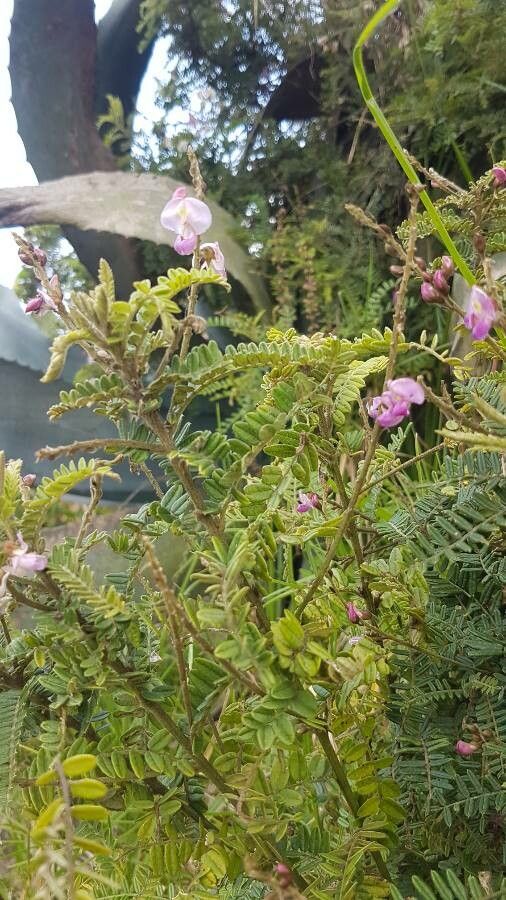
Hello fellow plant enthusiasts! I’m so excited to chat with you today about a rather special legume, Coursetia dubia. You know, the one with those cheerful, pea-like flowers that feel like sunshine personified? If you’re looking for a relatively straightforward project to add some vibrant color and a touch of the exotic to your garden, this is it. Propagating Coursetia dubia is such a rewarding experience, watching a tiny cutting transform into a thriving plant. For those of you just starting out with propagation, I think you’ll find Coursetia dubia to be quite forgiving.
The Best Time to Start
The absolute sweet spot for propagating Coursetia dubia is in the late spring or early summer. This is when the plant is actively growing, full of vigor, and ready to push out new roots. You’ll want to select stems that have finished flowering or are just starting to mature, not the brand-new, floppy growth. Think of it like picking a ripe fruit – it’s got the best energy for something new!
Supplies You’ll Need
Gathering your tools before you begin makes the whole process smoother. Here’s what I usually have on hand:
- Sharp pruning shears or a clean hobby knife: For making precise cuts.
- Rooting hormone (optional but recommended): This gives your cuttings a little boost. Look for one with I.B.A.
- Rooting medium: A well-draining mix is key. I prefer a blend of perlite and peat moss, or vermiculite and coco coir. Aim for about a 50/50 ratio.
- Small pots or propagation trays: Clean ones are a must to prevent disease.
- Plastic bags or a propagator lid: To create a humid environment.
- A watering can or spray bottle: For gentle watering.
Propagation Methods
While you might come across other techniques, I’ve found the most success with stem cuttings for Coursetia dubia. It’s wonderfully effective.
Stem Cuttings
- Take the Cuttings: Select a healthy, non-flowering stem that’s about 4-6 inches long. Make a clean cut just below a leaf node (where a leaf attaches to the stem). This is where new roots are most likely to form.
- Prepare the Cuttings: Gently remove the lower leaves from the cutting, leaving just a couple of sets at the top. You can lightly wound the bottom of the stem if you like, but it’s often not necessary for Coursetia dubia.
- Apply Rooting Hormone: Dip the cut end of the stem into your rooting hormone powder. Tap off any excess.
- Plant the Cuttings: Fill your small pots with your prepared rooting medium. Make a small hole with your finger or a pencil, and gently insert the cutting so that the nodes where you removed leaves are buried.
- Water and Cover: Water gently to settle the medium around the stem. Then, cover the pot with a clear plastic bag or a propagator lid to maintain high humidity. You can prop the bag up with a few skewers so it doesn’t touch the leaves.
The “Secret Sauce” (Pro Tips)
Here are a couple of things I’ve learned over the years that really make a difference:
- Bottom Heat is Your Friend: If you have the chance, placing your pots on a gentle heat mat can significantly speed up root development. Those roots love a bit of warmth!
- Don’t Drown Them! While humidity is crucial, overwatering is the quickest way to lose a cutting. The rooting medium should be consistently moist but never waterlogged. If it feels squishy, it’s too wet.
Aftercare & Troubleshooting
Once your cuttings are planted, find a bright spot that doesn’t get direct, harsh sunlight. Keep the humidity high and the soil consistently moist. You’ll know they’re rooting when you see new growth appearing from the top, or when you gently tug on the cutting and feel resistance. This can take anywhere from 4-8 weeks, so don’t get discouraged if it takes a little while.
The most common issue you’ll encounter is rot, which usually stems from too much moisture and poor air circulation. If you see a cutting turning black and mushy, it’s best to discard it to prevent it from affecting others. If the leaves start to wilt and feel dry rather than plump, it means it’s not getting enough moisture, so increase your watering frequency.
A Encouraging Closing
Propagating plants is a journey, and patience is truly a gardener’s virtue. Seeing that first tiny root emerge or a new leaf unfurl is such a thrill. Don’t be afraid to try, and remember that every plant is a learning experience. Enjoy the process, and before you know it, you’ll have a whole collection of these lovely Coursetia dubia to share with friends or fill your own garden with their sunny disposition! Happy propagating!
Resource:
https://identify.plantnet.org/k-world-flora/species/Coursetia%20dubia%20(Kunth)%20DC./data