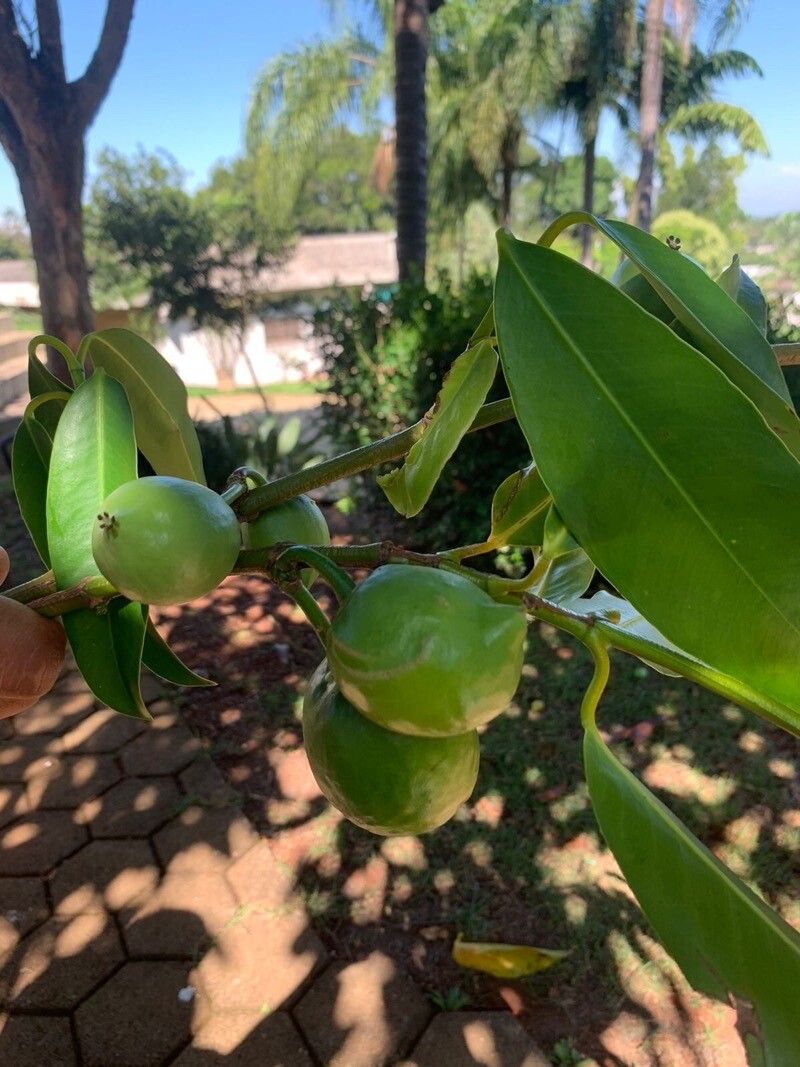
Hello, fellow garden enthusiasts! I’m so delighted you’re here to chat about Garcinia gardneriana. This wonderful tree, often called “bacupari” or “corosolic” by those who know it well, is a real gem. Its attractive foliage and the slightly tart, refreshing fruits it produces make it a lovely addition to any edible landscape. Propagating it yourself? That’s where the real magic happens, and trust me, it’s a wonderfully rewarding experience.
Now, for the beginner, I’d say Garcinia gardneriana can be a little bit of a learning curve. It’s not as straightforward as a pothos, but with a bit of patience and the right approach, you’ll be celebrating success in no time. Think of it as a friendly challenge, and I’m here to guide you every step of the way.
The Best Time to Start
When it comes to giving your Garcinia gardneriana cuttings the best chance, mid-spring to early summer is your sweet spot. This is when the plant is actively growing, full of vigor, and has plenty of energy to put into forming new roots. Look for stems that are semi-hardwood – not brand new and sappy, but not old and woody either. They should snap cleanly when bent, not bendy or brittle.
Supplies You’ll Need
Before we get our hands dirty, let’s make sure we have everything ready to go. A little preparation goes a long way!
- Sharp Pruning Shears or a Knife: Cleanliness is key to preventing disease.
- Rooting Hormone: A good quality rooting hormone powder or gel will significantly boost your success rate.
- Well-Draining Potting Mix: I like a blend of peat moss, perlite, and a bit of coarse sand. Something that doesn’t hold onto too much moisture.
- Small Pots or Trays: Clean pots with drainage holes are essential.
- Plastic Bag or Clear Dome: For creating a humid microclimate.
- Watering Can or Misting Bottle: For gentle watering.
Propagation Methods
We’ll focus on the tried-and-true method of stem cuttings. It’s reliable and gives us the best chance of success with Garcinia gardneriana.
- Select Your Cuttings: Choose healthy, vigorous stems from your mature plant. Aim for cuttings that are about 4-6 inches long. Remove the bottom leaves, leaving just a few at the very top. This helps prevent rot and focuses the plant’s energy on rooting.
- Prepare the Cutting: Dip the cut end of the stem into rooting hormone, ensuring it’s evenly coated. Gently tap off any excess.
- Plant Your Cuttings: Make a hole in your prepared potting mix with a pencil or your finger. Insert the cutting into the hole, making sure the nodes (where the leaves were) are buried. Gently firm the soil around the stem.
- Create Humidity: Water the soil thoroughly but gently. Now, cover the pot with a clear plastic bag, securing it with a rubber band, or place it under a clear dome. This creates a mini-greenhouse effect, keeping the humidity high, which is crucial for cuttings. Place the pot in a bright spot, but out of direct sunlight.
The “Secret Sauce” (Pro Tips)
Here are a few little tricks I’ve learned over the years that make all the difference:
- The “Heel” Trick: Sometimes, when you take a cutting, you can try to get a small sliver of the mother branch, creating a little “heel.” This often carries more potential for root development. It’s not always possible, but when it is, give it a go!
- Bottom Heat is Your Friend: For Garcinia gardneriana, providing a little warmth from below can significantly speed up root formation. A heating mat designed for seedlings is perfect for this. It encourages the roots to grow while preventing the top from drying out too much.
- Patience, Dear Gardener! I know it’s tempting to keep digging around to check for roots, but resist the urge! Wait at least 4-6 weeks before gently tugging on a cutting to see if it’s resisting. The less you disturb them, the better.
Aftercare & Troubleshooting
Once you see new growth appearing at the top, that’s a fantastic sign! It means roots are forming below.
- Gradual Acclimation: Slowly start to open the plastic bag or dome a little each day to gradually introduce the new plant to the ambient humidity. This prevents shock.
- Consistent Moisture: Keep the soil consistently moist, but not soggy. You want it to feel like a wrung-out sponge.
- Signs of Trouble: The most common issue you might encounter is rot. If your cutting looks mushy, dark, or smells off, it’s likely rotted. This usually happens from too much moisture and not enough air circulation, or using a potting mix that’s too heavy. If it’s just one cutting, don’t despair – you can try again with another!
So there you have it! Propagating Garcinia gardneriana is a journey of observation and a little bit of faith in nature’s process. Don’t be discouraged if your first few attempts aren’t perfect. Every plant, just like every gardener, has its own learning curve. Enjoy the process, celebrate every tiny success, and soon you’ll have a whole new fleet of bacupari trees to share. Happy planting!
Resource: