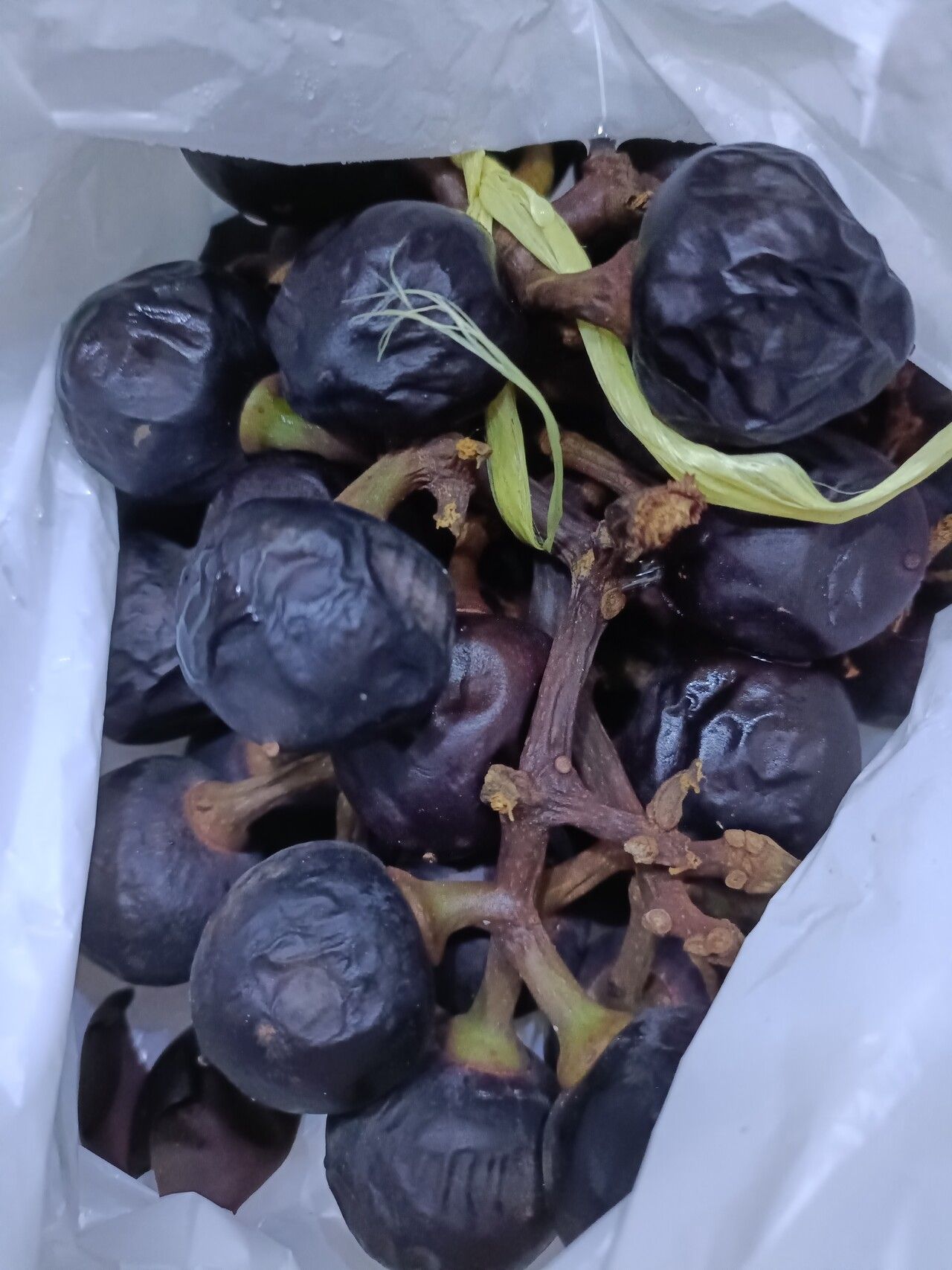
Hey there, fellow plant lovers! Today, we’re diving into the wonderful world of Pourouma cecropiifolia, often called the “Amazon Tree Grape” or “Cecropia.” If you’ve ever seen one of these beauties, you’ll know why. Their large, distinctive, hand-shaped leaves are simply stunning, adding a tropical flair to any space. And the best part? You can actually grow them yourself!
Propagating Pourouma can feel a bit like magic. It’s incredibly rewarding to take a small piece of a plant and watch it transform into a new, thriving individual. For beginners, I’d say Pourouma is a good challenge – not the easiest, but certainly achievable with a little care and attention. Don’t be intimidated; we’ll walk through it together, step by step.
When to Get Growing: The Best Time to Start
The sweet spot for propagating Pourouma cecropiifolia is undoubtedly late spring to early summer. This is when the plant is in its most vigorous growth phase. The days are longer, the temperatures are warm, and the plant has plenty of energy to put into developing new roots. Aim for cuttings taken from semi-hardwood growth – that’s stems that are no longer brand new and floppy but not yet old and woody.
Your Propagation Toolkit: What You’ll Need
Gathering your supplies beforehand makes the whole process so much smoother. Here’s a handy list to have on hand:
- Sharp Pruning Shears or a Clean Knife: For making clean cuts.
- Rooting Hormone (Optional but Recommended): A powder or gel that encourages root development.
- Well-Draining Potting Mix: A blend of peat moss, perlite, and coarse sand works wonderfully. You want something that holds moisture but doesn’t get waterlogged.
- Small Pots or Propagation Trays: With drainage holes, of course!
- A Spray Bottle: For misting.
- A Clear Plastic Bag or Propagator Lid: To create a humid environment.
- Clean Water: For the cuttings and mister.
Bringing New Life: Propagation Methods
The most reliable way I’ve found to propagate Pourouma is through stem cuttings. It’s straightforward and usually yields great results.
- Take Your Cuttings: On a warm, sunny morning, select a healthy stem. Make an angled cut just below a leaf node (where a leaf attaches to the stem). Aim for cuttings that are about 6-8 inches long and have at least two or three leaf nodes.
- Prepare the Cuttings: Gently remove the lower leaves, leaving just a couple at the top. If the remaining leaves are very large, you can cut them in half to reduce water loss through transpiration. This is crucial!
- Apply Rooting Hormone: Dip the cut end of the stem into your rooting hormone, ensuring the bottom inch or so is coated. Tap off any excess. If you’re not using rooting hormone, don’t worry, but be a bit more patient.
- Plant Your Cuttings: Fill your small pots with your prepared potting mix. Make a small hole in the center with your finger or a pencil. Carefully insert the cutting into the hole, making sure the leaf nodes are below the soil surface. Gently firm the soil around the stem.
- Water Gently: Water the soil thoroughly but gently, allowing excess water to drain away.
The “Secret Sauce”: My Insider Tips
Here are a few tricks I’ve picked up over the years that can really boost your success with Pourouma:
- The Bottom Heat Advantage: While not strictly necessary, placing your pots on a gentle heating mat can make a world of difference. This encourages root formation from below, giving your cuttings a real head start. It mimics the warmth of the soil that developing roots crave.
- Humidity is Key, But Not Drowning: Your cuttings need a consistently humid environment to prevent drying out while they’re trying to root. A clear plastic bag slipped over the pot, or a propagator lid, creates this microclimate. Crucially, ensure the leaves don’t touch the sides of the bag or the lid. This can promote fungal growth and rot. Vent it occasionally if you see a lot of condensation.
- Patience with the Parent Plant: When you’re taking cuttings, don’t strip the parent plant bare. Make selective cuts so it can recover and continue to produce new growth. It’s a win-win!
Nurturing Your New Shoots: Aftercare & Troubleshooting
Once you see signs of new growth – a tiny leaf unfurling, or the cutting looking perkier – it’s a good indication that roots are developing.
- Gradual Acclimation: Once rooting seems established, gradually acclimate your new plant to normal room humidity. Slowly start opening the plastic bag a little more each day over a week or so.
- First Watering: When you remove the bag completely, water thoroughly again.
- Moving Up: When the roots have filled the pot, it’s time to move your new Pourouma into a slightly larger container with fresh potting mix.
Watch out for rot. This is the most common pitfall. If your cutting turns black and mushy at the base, or the leaves wilt and yellow dramatically despite regular watering, it’s likely rot. This usually happens due to overwatering or poor drainage. If you spot it early, you might be able to salvage a healthy part of the stem, but often, it’s best to start again.
Propagating can sometimes feel like a waiting game, and that’s perfectly normal. Don’t get discouraged if your first attempt isn’t a resounding success. Every cutting, every gardener, has their learning curve. Just remember to be patient, observe your plants closely, and most importantly, enjoy the process of bringing new life into your home! Happy growing!
Resource:
https://identify.plantnet.org/k-world-flora/species/Pourouma%20cecropiifolia%20Mart./data