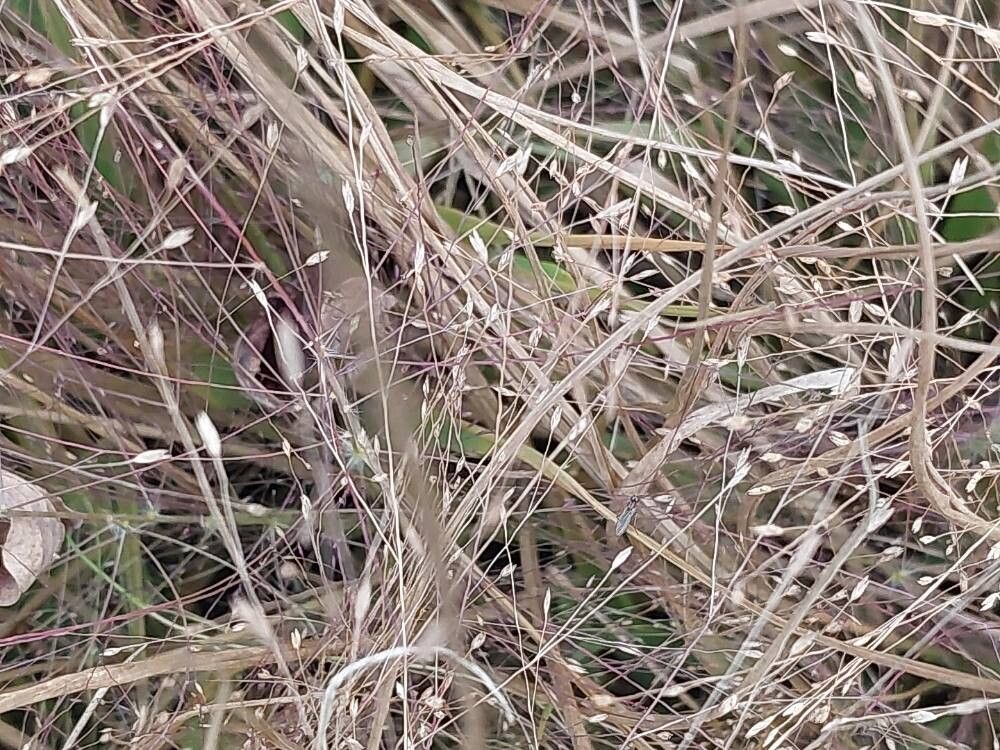
Oh, hello there, fellow plant enthusiast! I’m so glad you’re here. Today, we’re going to talk about a true gem of the garden: Eragrostis spectabilis, or Purple Lovegrass. If you haven’t met it yet, imagine a cascade of airy, purplish-pink blooms dancing in the breeze. It’s delicate yet resilient, adding such a beautiful texture and color to the landscape, especially in late summer and fall. And the best part? It’s surprisingly easy to propagate! Even if you’re just dipping your toes into the world of plant propagation, this is a fantastic one to start with. You’ll feel like a seasoned pro in no time.
The Best Time to Start
For Eragrostis spectabilis, I find the late spring to early summer is absolutely prime time. This is when the plant is really ramping up its growth after winter. You’ll want to look for actively growing stems. If you miss this window, don’t fret! You can also successfully divide established clumps in early spring as soon as you see new growth emerging. Just be gentle!
Supplies You’ll Need
Before we get our hands dirty, let’s gather our little army of tools:
- Sharp pruning shears or a clean knife: For making precise cuts.
- Well-draining potting mix: I often use a 50/50 blend of peat moss and perlite, or a specialized seed-starting mix. The key is drainage.
- Small pots or seed trays with drainage holes: Enough for your cuttings or divisions.
- Rooting hormone (optional, but helpful): A powder or gel can give your cuttings a little boost.
- Watering can with a fine rose or misting bottle: For gentle watering.
- Plastic bags or cloches: To create a humid environment for cuttings.
- Labels or markers: To keep track of what you’ve planted and when.
- A sunny, bright spot: But out of direct, scorching sun, especially for initial rooting.
Propagation Methods
Eragrostis spectabilis is wonderfully adaptable. I primarily use two methods with great success: division and stem cuttings.
Method 1: Division (My Favorite for Established Plants)
This is your go-to if you already have a lovely clump of Purple Lovegrass.
- Gently excavate the plant: In early spring, carefully dig out your Eragrostis spectabilis clump. It’s best to do this before it gets too large.
- Clean off excess soil: Gently brush away some of the soil from the roots. You’ll be able to see where the plant naturally wants to separate.
- Divide the clump: Using your hands or a clean trowel, gently pull or cut the clump into smaller sections. Each section should have a good amount of roots and at least one or two shoots. If the roots are tightly matted, a clean knife or even two trowels used back-to-back can help.
- Replant immediately: Pot up the divisions into individual containers filled with your well-draining mix. Water them in well.
- Keep them hydrated: Place the newly potted divisions in a bright spot and water regularly, keeping the soil consistently moist but not soggy.
Method 2: Stem Cuttings (For More Plants, More Fun!)
This is where you can really expand your collection.
- Select healthy stems: Look for non-flowering, actively growing stems in late spring or early summer. You want stems that are sturdy but still flexible. Aim for cuttings about 4-6 inches long.
- Make the cut: Using your sharp pruning shears or knife, make a clean cut just below a leaf node (where a leaf attaches to the stem).
- Prepare the cutting: Remove the lower leaves from the cutting, leaving just a few at the top. If the cutting has any flower buds, pinch those off – we want the plant to focus its energy on rooting, not flowering.
- Apply rooting hormone (optional): Dip the cut end of the stem into your rooting hormone, gently tapping off any excess.
- Plant the cuttings: Make small holes in your prepared pots filled with the potting mix. Insert the cut end of each stem into the hole, pushing it down about an inch or so. Gently firm the soil around the base of the cutting.
- Create humidity: Water the soil lightly and then cover the pot with a clear plastic bag or create a mini-cloche over it. This traps moisture and helps the cuttings stay hydrated while they develop roots.
- Provide the right environment: Place the covered pots in a bright location, but avoid direct hot sun.
The “Secret Sauce” (Pro Tips)
Here are a couple of things I’ve learned over the years that seem to make all the difference:
- Don’t Drown Your Cuttings: The biggest mistake I see beginners make is overwatering. While cuttings need moisture, they can easily rot if their base sits in soggy soil. Your well-draining mix is your first line of defense, but also, resist the urge to water every single day. Check the soil moisture by feeling it with your finger. If the top inch feels dry, it’s time to water.
- Bottom Heat Works Wonders: Especially for stem cuttings, providing a little warmth from below can significantly speed up rooting. You can use a seedling heat mat, or even place your pots on top of a warm appliance (like the top of your refrigerator, if it’s not too hot!). It tells the roots, “Hey, it’s time to get going!”
Aftercare & Troubleshooting
Once you see signs of roots – usually tiny white nubs peeking out from the drainage holes, or you can gently tug on a cutting and feel resistance – it’s time to transition.
- Acclimatize: If you used a plastic bag, gradually remove it over a few days to let the new plant get used to normal humidity.
- Watering: Continue to water regularly, allowing the top inch of soil to dry out between waterings.
- Light: Gradually introduce your new Eragrostis spectabilis to brighter light.
- Signs of Trouble: The most common issue is rot, which looks like mushy, discolored stems at the soil line. This is usually a sign of overwatering or poor drainage. If you see this, you might be able to save unaffected parts of the cutting by taking new cuttings and ensuring better conditions. Wilting can mean it’s too dry, or sometimes too much direct sun too soon. Yellowing leaves can be a sign of overwatering or lack of nutrients, but for new propagations, it’s often water-related initially.
A Encouraging Closing
See? You can absolutely do this! Propagating Eragrostis spectabilis is a wonderfully rewarding journey. It’s about patience, observation, and a little bit of plant magic. Don’t be discouraged if the first try isn’t perfect. Every plant is a learning experience. Just enjoy the process of nurturing these little bits of green into beautiful, blooming additions to your garden. Happy propagating!
Resource:
https://identify.plantnet.org/k-world-flora/species/Eragrostis%20spectabilis%20(Pursh)%20Steud./data