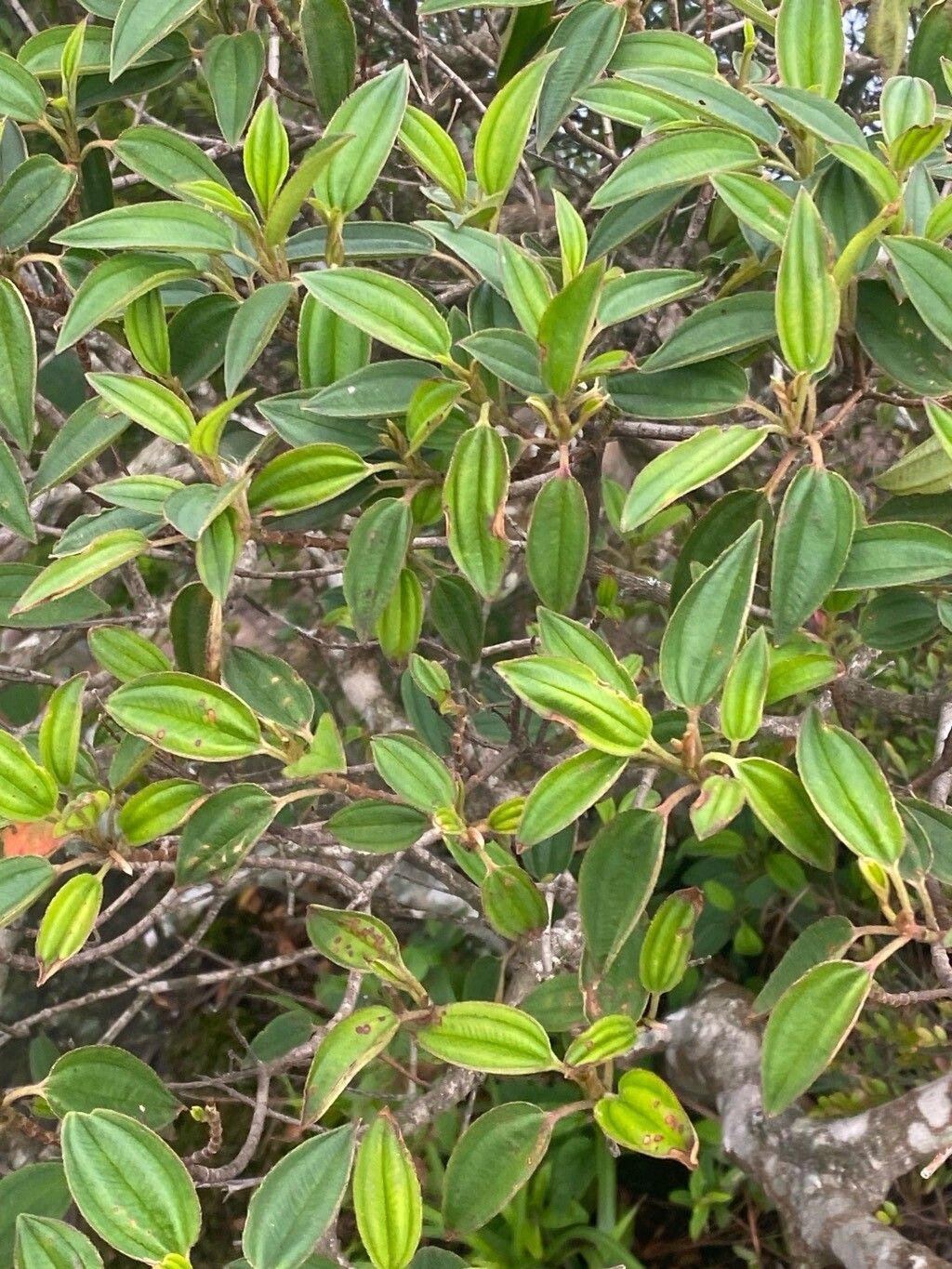
Oh, Tibouchina aspera! That gorgeous splash of purple, isn’t it just breathtaking? I’ve always loved how its vibrant blooms transform a garden into something truly special. And the best part? You can bring that magic into your own space, and share it with friends, by propagating it yourself.
Now, I won’t lie to you. Tibouchina aspera can be a little bit of a diva when it comes to propagation. It’s not the absolute easiest plant for a total beginner, but with a little patience and the right approach, you can absolutely achieve success. Think of it as a rewarding challenge!
The Best Time to Start
For Tibouchina aspera, the magic happens during its active growing season. This typically means late spring through summer. You’re looking for stems that are firm but not woody. Think of them as being a little bendy, not brittle. This is when the plant has the most energy to put into making new roots.
Supplies You’ll Need
Gathering your supplies beforehand makes the whole process smoother. Here’s what I usually have on hand:
- Sharp Pruning Shears or Knife: Cleanliness is key to preventing disease.
- Rooting Hormone: This is a lifesaver for encouraging root development. I prefer a powder or gel.
- Potting Mix: A good, well-draining mix is essential. I often use a blend of peat moss and perlite or coarse sand, about a 50/50 ratio. You can also find specific “seed starting” or “propagation” mixes.
- Small Pots or Trays: Clean pots with drainage holes are a must.
- Plastic Bag or Dome: To create a humid environment for your cuttings.
- Watering Can or Spray Bottle: For gentle watering.
- Labels: So you don’t forget what you’ve planted!
Propagation Methods
We’ll focus on the most reliable method for Tibouchina aspera: stem cuttings.
- Take Your Cuttings: First, find a healthy, non-flowering stem on your Tibouchina. Using your clean shears, cut a section about 4-6 inches long. Make sure the cut is just below a leaf node (where a leaf attaches to the stem). This is where roots are most likely to form.
- Prepare the Cuttings: Gently remove the lower leaves, leaving just a few at the top. If the leaves are very large, you can even cut them in half to reduce water loss.
- Apply Rooting Hormone: Dip the cut end of the stem into your rooting hormone, making sure it’s fully coated. Tap off any excess.
- Plant Your Cuttings: Fill your clean pots with your prepared potting mix. Make a small hole in the center with your finger or a pencil. Insert the stem end of the cutting, ensuring the rooting hormone stays in place. Gently firm the soil around the stem.
- Create a Humid Environment: Water your cuttings gently until the soil is moist but not soggy. Then, cover the pot with a clear plastic bag or place it under a propagation dome. This traps in humidity, which is crucial for cuttings that can’t yet absorb water from the soil.
The “Secret Sauce” (Pro Tips)
Here are a few little things I’ve learned over the years that can really boost your success rate with trickier plants like Tibouchina:
- Bottom Heat is Your Friend: Tibouchina loves warmth coming from below. If you have a heat mat designed for seedlings, place your pots on that. It encourages those roots to get busy much faster. If you don’t have one, try placing the pots on top of a gently warm appliance, like a router.
- Don’t Let Leaves Touch Water: If you decide to try a few cuttings in water, and I know some of you love this method, be very careful. Make sure no leaves are submerged in the water. Only the cut end of the stem should be in contact with the water. Any rotting leaves will quickly contaminate the water and kill your cutting.
- Patience with a Spray Bottle: Once your cuttings are potted and covered, mist the leaves gently with water every few days, especially if you don’t have a dome. This keeps them turgid and happy while they’re working on their roots.
Aftercare & Troubleshooting
Once you start to see new leafy growth emerge, that’s a fantastic sign that roots are forming! Congratulations!
At this point, you can gradually acclimate your new plant to drier air. Start by removing the plastic bag or dome for a few hours each day, then gradually increase the time. Continue to keep the soil consistently moist but not waterlogged. When the roots have filled the pot (you might see them peeking out of the drainage holes), it’s time to pot up your new Tibouchina into a slightly larger container.
The most common issue you might encounter is rot. If your cuttings turn black and mushy, it’s usually a sign of too much moisture and not enough air circulation, or perhaps fungal issues. Make sure your soil drains well and you’re not overwatering. If you see a bit of wilting, don’t panic immediately. Check the moisture level of the soil first.
A Little Encouragement
Propagating plants is such a fulfilling journey, and watching a tiny cutting develop into a beautiful new plant is incredibly rewarding. Be patient, enjoy the process, and don’t be discouraged if not every cutting makes it. Each attempt is a learning experience! Happy gardening!
Resource:
https://identify.plantnet.org/k-world-flora/species/Tibouchina%20aspera%20Aubl./data