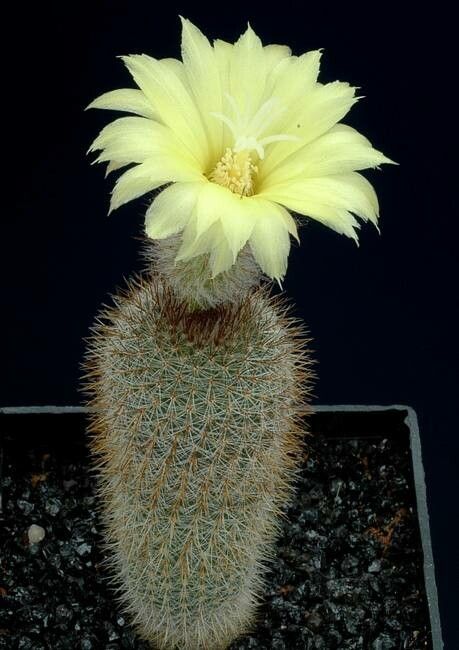
My friends, let me tell you about a little gem of a cactus that’s found a special spot in my heart and in my greenhouse: Frailea stockingeri. If you’re looking for a truly unique succulent that’s a bit on the quirky side, this is the one. Its small, almost globular body, often solitary and adorned with delicate spines, is utterly charming. And the real magic? Those fleeting, bright yellow flowers that can emerge right from the top! Propagating them is a wonderfully rewarding experience, though I’ll be honest, they’re not the absolute easiest for a complete beginner. But with a little patience and a few key tricks, you’ll be well on your way to multiplying these little wonders.
The Best Time to Start
For Frailea stockingeri, the season you’ll want to focus on propagation is late spring through early summer. This is when the plant is in its most active growth phase. The longer days and warmer temperatures provide the energy it needs to root successfully. You’re looking for a mature, healthy plant that has recently finished its blooming cycle or is showing signs of new growth. Trying to propagate when the plant is dormant, typically during cooler months, will likely lead to disappointment.
Supplies You’ll Need
Gathering your supplies beforehand makes the whole process much smoother. Here’s what I always have on hand:
- Well-draining cactus and succulent mix: I like to make my own by combining equal parts potting soil, perlite, and coarse sand. This ensures no waterlogging.
- Sterilized sharp knife or pruning shears: For clean cuts, which are crucial for preventing rot.
- Rooting hormone (optional but recommended): A good quality rooting powder can give your cuttings a helpful boost.
- Small pots or seed trays: Clean terracotta pots are my favorite because they breathe well.
- Gravel or small stones: For the bottom of pots or for top dressing.
- Watering can with a fine rose: To gently water your new propagations.
- Labels: Don’t forget to label your pots with the plant name and date!
Propagation Methods
The most common and effective way to propagate Frailea stockingeri is through offsets, which are the little baby plants that sometimes grow from the base of the parent.
- Identify a healthy offset: Look for a small, established pup at the base of your main plant.
- Gently separate the offset: Using your sterilized knife, carefully slice through the connection between the offset and the parent plant. Try to get as much of its own root base as possible. If it’s very small, you might not get many roots, and that’s okay.
- Allow to callous: This is a critical step, especially with cacti. Place the separated offset in a dry, shaded spot for 3-7 days. You want the cut surface to dry out and form a tough callus. This prevents rot when you plant it.
- Potting up: Once calloused, fill a small pot with your well-draining cactus mix. You can lightly dust the cut end of the offset with rooting hormone if you’re using it.
- Planting: Make a small indentation in the soil and gently place the offset into it. You don’t need to bury it too deeply; just enough so it’s stable. You can use small stones around the base for support.
- Initial Watering (wait!): Do NOT water immediately. Wait at least another week after planting before giving it its first gentle watering. This gives any tiny root nubs a chance to establish without being shocked by moisture.
The “Secret Sauce” (Pro Tips)
Here are a couple of things I’ve learned over the years that make a big difference when propagating these finicky fellows:
- The “dry spell” is your friend: Remember that waiting period after separating and after potting? It’s not just a suggestion; it’s essential for root development and preventing rot. Be patient! The offset needs to feel that slight stress of dryness to encourage it to seek out moisture by growing roots.
- Airflow is key: When your calloused offsets are sitting around before potting, and even after they’re in their pots, good airflow is your best defense against fungal issues. Ensure they’re not in a stagnant, humid environment. A gentle fan on a low setting can work wonders, especially in a greenhouse.
Aftercare & Troubleshooting
Once you see signs of new growth or the offset feels more stable in its pot, you know roots are forming! Continue to water sparingly, allowing the soil to dry out completely between waterings. Think of it like watering a mature cactus – less is more.
The biggest challenge you’ll face is rot. If your offset turns mushy, discolors to a dark brown or black, or just collapses, it’s likely succumbed to rot. This usually happens from overwatering, not allowing it to callous properly, or planting in soil that’s too heavy and retains too much moisture. If you see rot starting, you might be able to salvage a healthy part by cutting it above the rotted section and starting the callousing and replanting process again, but it’s often a sign that conditions weren’t quite right.
Happy Propagating!
My dear gardeners, propagating Frailea stockingeri is a journey. There might be a few small setbacks along the way, but don’t let that deter you. Each tiny offset that takes root is a triumph and a testament to your growing skills. Enjoy the process, celebrate the little wins, and soon you’ll have a whole family of these delightful little cacti to admire. Happy growing!
Resource:
https://identify.plantnet.org/k-world-flora/species/Frailea%20stockingeri%20Prestlé/data