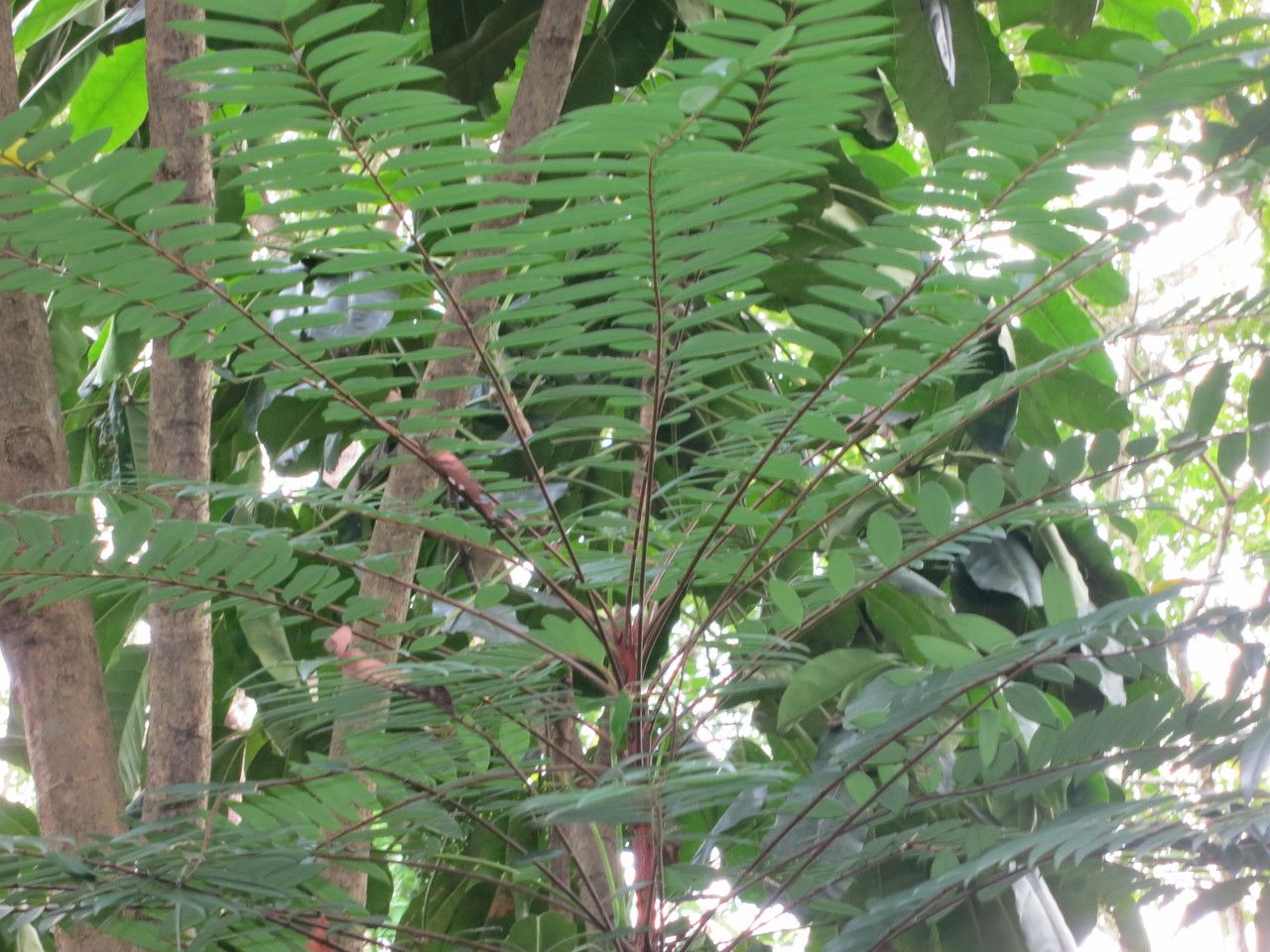
Hello there, fellow plant lovers! If you’ve ever admired the striking, almost architectural beauty of Eurycoma longifolia, or perhaps you’re intrigued by its reputation (and I understand why!), then you’re in the right place. I’ve been nurturing plants for two decades, and I can tell you, bringing a new Eurycoma seedling into the world is a deeply satisfying experience. It’s a plant that rewards your attention, and propagating it yourself? Well, that’s a whole other level of garden joy. Now, I’ll be honest, Eurycoma longifolia isn’t always the easiest plant to get started for complete beginners, but with a little care and attention, it’s absolutely achievable.
The Best Time to Start
My favorite time to dive into propagating Eurycoma longifolia is when the plant is actively growing, which typically means late spring through to early summer. You’re looking for healthy, vigorous new shoots. This is when the plant has the most energy reserves to put into developing new roots. If you’re dealing with a mature plant and considering division, again, spring is your friend. It gives the separated pieces ample time to establish before the heat of summer or the chill of winter sets in.
Supplies You’ll Need
To get our Eurycoma propagating mission underway, you’ll want to gather a few essentials:
- Sharp Pruning Shears or Knife: Cleanliness is key here to prevent disease from entering your cuttings. Sterilize them with rubbing alcohol before and after use.
- Well-Draining Potting Mix: I prefer a blend of peat moss, perlite, and a bit of coarse sand. This airy mix is crucial to prevent waterlogged roots.
- Rooting Hormone Powder or Gel: This is a great aid in encouraging callusing and root development.
- Small Pots or Trays: For starting your cuttings. Make sure they have drainage holes!
- Clear Plastic Bag or Humidity Dome: To maintain consistent humidity around your cuttings.
- Watering Can with a Fine Rose or Mister: Gentle watering is essential.
- Small Labels and a Marker: To keep track of what you’ve propagated and when.
Propagation Methods
While there are a couple of ways to go about this, for Eurycoma longifolia, your best bets are stem cuttings and division.
Stem Cuttings:
This is a popular method for many woody plants, and it can work well with Eurycoma.
- Select Your Cutting: Look for a healthy, semi-hardwood stem that’s about 4-6 inches long. It should be firm but still slightly flexible. Avoid woody, old stems or very soft, new growth.
- Make the Cut: Using your sterilized shears, make a clean cut just below a leaf node (where a leaf attaches to the stem). This is where root cells are most likely to form.
- Prepare the Cutting: Gently remove the lower leaves, leaving just a couple at the very top. If the leaves are very large, you can even cut them in half to reduce water loss.
- Apply Rooting Hormone: Dip the cut end into your rooting hormone, ensuring it’s well-coated. Tap off any excess.
- Plant Your Cutting: Fill your small pot with your well-draining potting mix. Make a pilot hole with a pencil or dowel, and carefully insert the cutting. Gently firm the soil around it.
- Provide Humidity: Water the soil lightly. Then, cover the pot with a clear plastic bag or place it under a humidity dome. Ensure the leaves don’t touch the sides of the bag, as this can encourage rot.
Division:
If you have a mature Eurycoma plant that you want to divide, spring is the time.
- Carefully Excavate: Gently remove the entire plant from its pot or from the ground.
- Examine the Root Ball: Gently brush away some of the soil to expose the roots and any natural divisions. You’re looking for sections that have their own set of healthy roots and at least one viable shoot.
- Make the Separation: Use a clean, sharp knife or spade to carefully divide the plant. Try to minimize damage to the root system.
- Pot Up: Plant each division into its own pot filled with fresh, well-draining soil. Water thoroughly.
The “Secret Sauce” (Pro Tips)
Here are a few little tricks I’ve learned over the years that can really boost your success with Eurycoma:
- Bottom Heat is Your Best Friend: For stem cuttings, placing the pots on a gentle heat mat designed for propagation can make a world of difference. This encourages root development from below, even if the top isn’t getting direct sun. Aim for a consistent temperature around 70-75°F (21-24°C).
- Don’t Drench, Just Damp: While humidity is important, overwatering is the quickest way to kill your cuttings or divisions. The soil should feel consistently moist, but never soggy. I often use a spray bottle to mist the cuttings and the inside of the humidity dome, rather than watering heavily.
- Patience, Young Grasshopper: Eurycoma can be a bit of a slow starter when it comes to root development. Don’t be tempted to tug on your cuttings too soon! It can take several weeks, sometimes even a couple of months, for new roots to form. Resist the urge to check constantly.
Aftercare & Troubleshooting
Once you start seeing signs of life – perhaps new leaf growth on your cutting or your division looks vigorous – you’re on the right track!
- Gradual Acclimation: If you’ve used a plastic bag or humidity dome, gradually introduce your new plant to the open air. Start by opening the bag for a few hours each day, then slowly increase the time. This helps it adjust to lower humidity.
- Light and Water: Move your new plant to a spot with bright, indirect light. Continue to water when the top inch of soil feels dry.
- Watch for Rot: The biggest enemy at this stage is root rot. If your cutting or division starts to look mushy, dark, or smells unpleasant, it’s likely rot. This is usually caused by too much moisture and not enough airflow. Unfortunately, once rot sets in, it’s very difficult to save the plant. Prevention is key – good drainage and careful watering are your best defense. Yellowing leaves that aren’t accompanied by mushiness might just be a sign of transplant shock, so give it some time.
Propagating Eurycoma longifolia is a journey, not a race. There will be moments of doubt, but also immense satisfaction when you see that first tiny root emerge or a new shoot unfurl. Celebrate the little victories! Enjoy the process of nurturing life and expanding your garden. Happy growing!
Resource:
https://identify.plantnet.org/k-world-flora/species/Eurycoma%20longifolia%20Jack/data