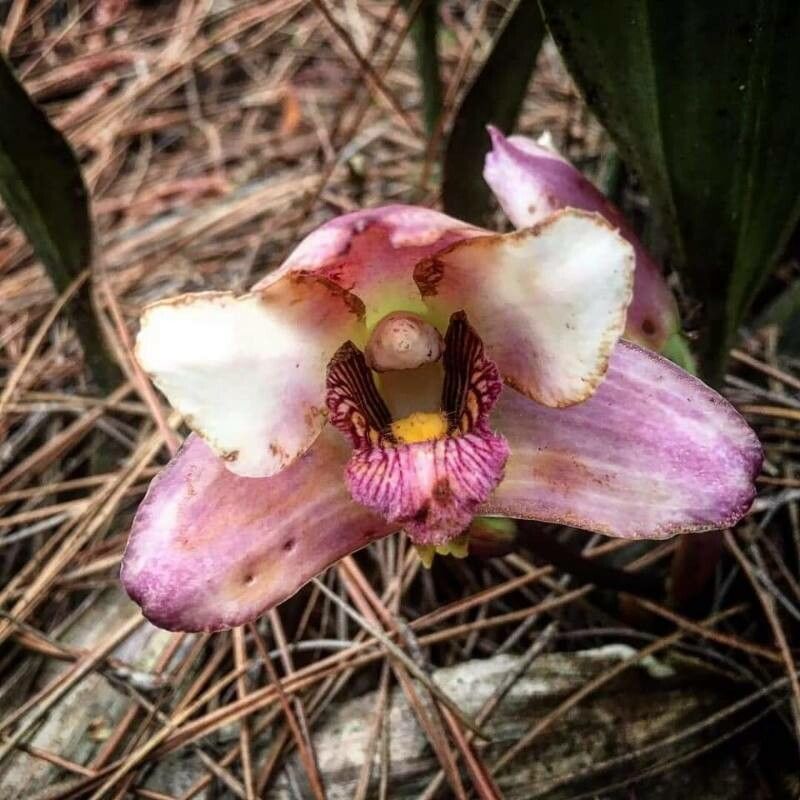
Oh, hello there! It’s so lovely to have you over for a chat about plants. Today, we’re going to dive into the wonderful world of propagating Acanthophippium splendidum. If you’re drawn to its lush foliage and the promise of those gorgeous, unique blooms, you’re in for a treat. Getting more of these beauties to nurture is incredibly satisfying, like seeing a little piece of your garden magic multiplied. Now, I’ll be honest, Acanthophippium splendidum isn’t the absolute easiest plant to start with for a complete beginner, but with a little care and attention, it’s absolutely achievable. Think of it as a rewarding learning curve!
The Best Time to Start
When it comes to giving your Acanthophippium splendidum the best chance at propagation, spring is truly your best friend. As the plant is shaking off its winter rest and beginning its vigorous new growth phase, it has all the energy it needs to put into developing roots. Aim for when you see new shoots emerging, that’s your cue!
Supplies You’ll Need
Gathering your tools beforehand makes the whole process much smoother. Here’s what I always have on hand:
- Sharp, sterile pruning shears or a clean knife: Essential for making clean cuts.
- Well-draining potting mix: Crucial for preventing root rot. I often use a mix of orchid bark, perlite, and a bit of coco coir.
- Rooting hormone (optional but recommended): A little boost can really help things along.
- Small pots or trays: For your new cuttings.
- Plastic sheeting or a clear plastic bag: To create a humid environment.
- Watering can or spray bottle: For gentle watering.
- Labels and a permanent marker: To keep track of what you’ve planted and when.
Propagation Methods
For Acanthophippium splendidum, division is usually the most straightforward and successful method.
Division: Your Best Bet
This plant grows from rhizomes, which are like thick underground stems. Over time, these rhizomes can branch out and form new shoots, giving you distinct sections to separate.
- Gently remove the plant from its pot. Do this carefully to avoid damaging the roots.
- Inspect the rhizomes. Look for natural divisions where a new shoot is emerging from older growth. You want to see at least one healthy shoot with a decent root system attached to each section.
- Using your clean pruning shears or knife, carefully cut between the sections. Make sure each piece has some roots and at least one active growth point. Don’t be afraid to get in there; just be precise.
- Allow the cut surfaces to callus over for a day or two. This helps prevent rot when you replant. You can place them in a dry, airy spot.
- Pot each division individually. Use your well-draining mix. Plant them so the base of the new shoot is just at the soil line.
- Water lightly. You want the soil to be moist, not soggy.
The “Secret Sauce” (Pro Tips)
Here are a few little tricks I’ve picked up over the years that often make a difference:
- Don’t overwater the newly divided plants. This is the most common mistake! It’s better to be slightly on the dry side in the beginning. They’re recovering, not actively growing at full speed yet.
- Provide humidity, but ensure good air circulation. After potting your divisions, I like to loosely cover them with a clear plastic bag or create a mini-greenhouse with a humidity dome. This keeps the precious moisture in, but make sure to “vent” it daily for a few minutes to prevent stale air and potential fungal issues.
- Patience is truly a virtue here. Acanthophippium splendidum can be a bit slow to establish. Don’t despair if you don’t see new growth immediately. Give it time to settle in.
Aftercare & Troubleshooting
Once your new divisions are potted, give them a bright, indirect light spot. Keep the soil lightly moist, but never let them sit in waterlogged conditions.
The most common issue you might encounter is rot. If you notice mushy, discolored stems or leaves, this is a sure sign of too much moisture. At that point, unfortunately, it might be too late for that particular cutting. Ensure your potting mix is airy and that you’re watering judiciously. If you see yellowing leaves that aren’t mushy, it could be a sign of stress or being too cold, so adjust its location accordingly.
A Little Encouragement
Propagating plants is a journey, and Acanthophippium splendidum is a worthy companion for that journey. Embrace the process, observe your new little ones, and don’t get discouraged if every single cutting doesn’t make it. The joy of successfully nurturing a new plant from an existing one is a feeling like no other. Happy gardening!
Resource:
https://identify.plantnet.org/k-world-flora/species/Acanthophippium%20splendidum%20J.J.Sm./data