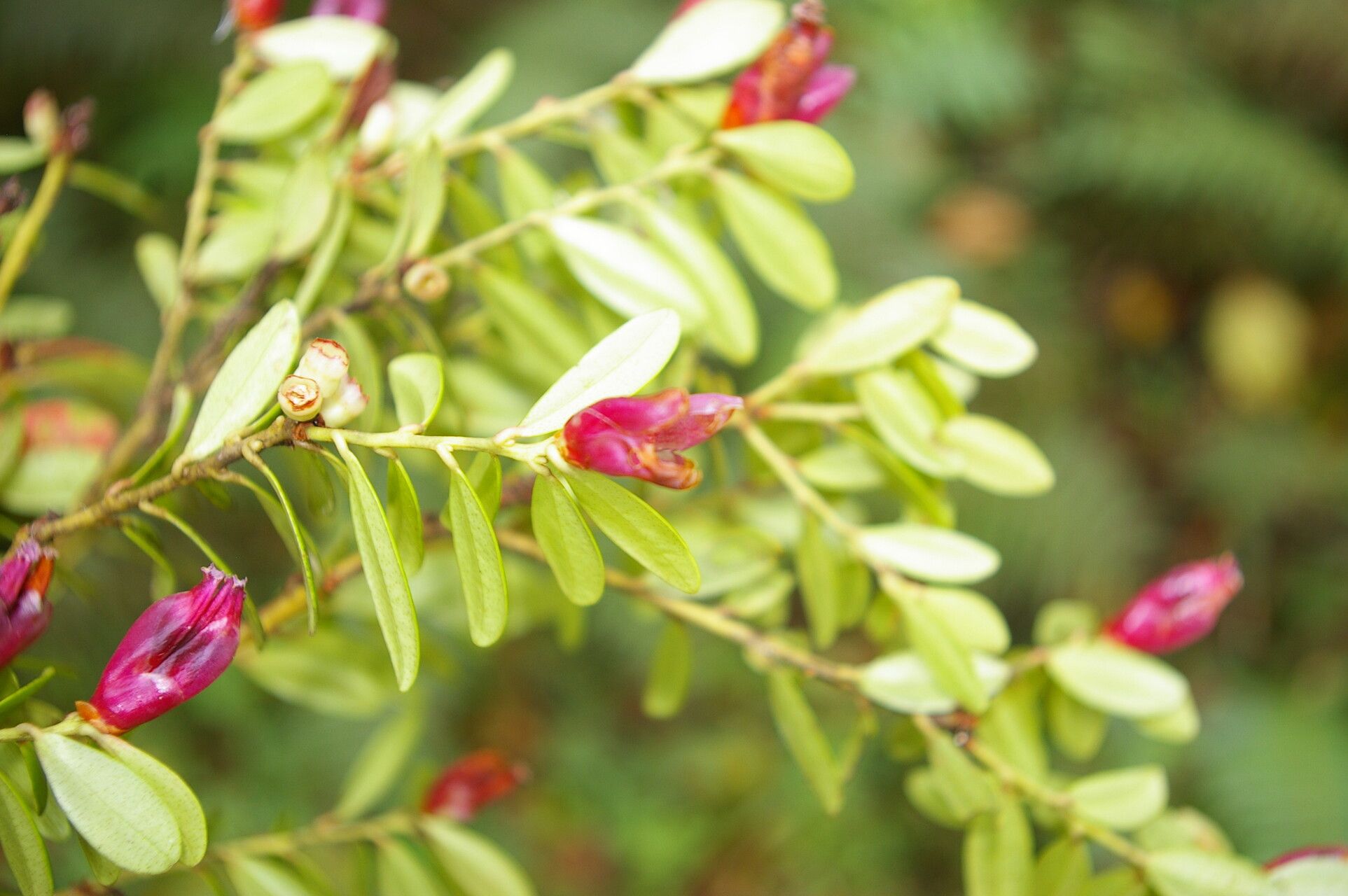
Oh, hello there! I’m so glad you’ve stopped by. Today, we’re going to dive into the wonderful world of propagating Cavendishia capitulata. If you’re looking for a plant that truly rewards your efforts with delicate, bell-shaped flowers and lush foliage, then this is one you’ll want to get to know. Propagating these beauties is a fantastic way to expand your collection or share them with fellow plant lovers. While it’s not quite as beginner-friendly as, say, a spider plant, with a little care and attention, you’ll find it quite doable.
The Best Time to Start
For Cavendishia capitulata, the sweet spot for propagation is late spring or early summer. This is when the plant is actively growing, and the new, semi-hardwood stems have the best chance of success. You’re looking for stems that are flexible but not brand new and floppy. Think of them as being sturdy enough to hold their shape but not woody and old.
Supplies You’ll Need
Here’s what I always have on hand when I’m ready to propagate:
- Sharp pruning shears or a clean, sharp knife: For making clean cuts.
- Rooting hormone (optional, but recommended): A powdered or liquid rooting stimulant can give cuttings a helpful boost.
- Well-draining potting mix: I like a blend of equal parts peat moss, perlite, and a bit of orchid bark. This ensures excellent aeration.
- Small pots or trays: Clean containers with drainage holes are essential.
- Clear plastic bags or a propagator: To create a humid environment.
- Watering can or spray bottle: For gentle watering.
- Labels: To keep track of what you’ve propagated and when!
Propagation Methods
Let’s get our hands dirty! The most reliable method for Cavendishia capitulata is stem cuttings.
-
Take Stem Cuttings: Gently select a healthy stem on your mature plant. Using your sharp pruning shears or knife, make a clean cut just below a leaf node (where a leaf attaches to the stem). You want cuttings that are about 4-6 inches long. Remove the lower leaves, leaving just 2-3 at the top. This prevents them from rotting in the soil and reduces water loss.
-
Prepare Your Cuttings: If you’re using rooting hormone, dip the cut end into the powder or liquid, tapping off any excess. Now, it’s time to plant!
-
Plant Your Cuttings: Fill your small pots with your well-draining potting mix. Make a small hole in the center of the soil with your finger or a pencil. Gently insert the cut end of your Cavendishia cutting into the hole, ensuring it’s snug. Firm the soil around the stem.
-
Create a Humid Environment: Water the soil gently until it’s moist but not soggy. Then, cover the pot with a clear plastic bag or place it inside a propagator. This creates that essential high humidity that cuttings need to thrive. If using a bag, prop it up with a few stakes or skewers so it doesn’t touch the leaves.
-
Provide Warmth and Light: Place your pots in a bright spot with indirect light. Avoid direct sun, which can scorch the delicate cuttings. If you have a heat mat, using bottom heat can significantly speed up root development.
The “Secret Sauce” (Pro Tips)
Here are a couple of my favorite insider tricks:
- Don’t let the lower leaves touch the soil or water. This is crucial! Any foliage submerged will quickly succumb to rot, potentially taking your cutting with it. Always clear the bottom of the stem.
- Consider a “dirty pot” trick. Before putting your fresh mix in the pots, I sometimes give them a quick rinse with water that has a bit of the parent plant’s water from its pot. This introduces beneficial microbes that can help protect the cutting from fungal issues. It sounds a bit odd, I know, but it often makes a difference!
Aftercare & Troubleshooting
Once your cuttings have been planted, check them regularly. You’ll want to mist them lightly every few days or when the soil surface starts to dry out, especially if you’re not using a plastic bag.
The goal is to see new leaf growth or feel a gentle tug when you very carefully try to lift the cutting. This usually takes several weeks, sometimes a couple of months.
What if things go wrong? The most common sign of failure is rot. If your cutting turns brown, mushy, or just looks sad and lifeless, it’s likely succumbed to rot. This is usually due to too much moisture, poor drainage, or not enough air circulation. If you see this, sadly, it’s best to discard it and try again.
A Encouraging Closing
Propagating plants is a journey. There will be triumphs, and sometimes, there will be lessons learned. Be patient with your Cavendishia capitulata cuttings. Cherish the process, observe your new little plants, and celebrate every sign of life. Before you know it, you’ll have a whole new batch of these enchanting beauties to enjoy! Happy propagating!
Resource:
https://identify.plantnet.org/k-world-flora/species/Cavendishia%20capitulata%20Donn.Sm./data