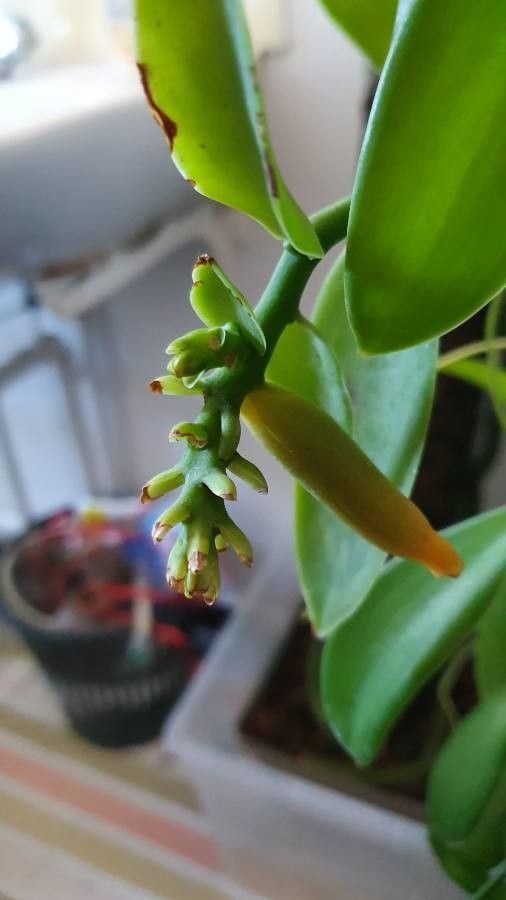
Hey there, fellow plant lovers! I’m so excited to dive into the wonderful world of propagating Vanilla palmarum. If you’ve ever marveled at the lush, vine-like growth and the promise of those fragrant vanilla beans (though true vanilla beans come from a different species, Vanilla planifolia), you know this plant has a special kind of allure. Propagating Vanilla palmarum is a fantastic way to multiply its beauty and a deeply rewarding gardening pursuit. While it’s not as straightforward as a pothos, with a little patience and the right touch, it’s absolutely achievable, even for those dipping their toes into plant propagation for the first time. There’s a real thrill in nurturing a tiny cutting into a thriving specimen!
The Best Time to Start
For the best success with Vanilla palmarum, aim for the late spring or early summer. This is when the plant is in its active growth phase. New stems are developing, and the plant has plenty of energy to put into rooting. Trying to propagate when the plant is dormant or stressed is like asking someone to run a marathon on an empty stomach – it’s just not going to go as well!
Supplies You’ll Need
Gathering your supplies before you begin makes the whole process smoother. Here’s what you’ll want on hand:
- Sharp, clean pruning shears or a sharp knife: For making clean cuts. Sterilize them to prevent disease transfer.
- Small pots or containers: About 3-4 inches in diameter with drainage holes.
- Well-draining potting mix: A good blend for orchids or a mix of perlite, orchid bark, and coco coir works beautifully. Regular potting soil can be too dense and hold too much moisture.
- Rooting hormone (optional but recommended): A powder or gel form can give your cuttings a helpful boost.
- Clear plastic bags or a propagation dome: To create a humid environment for cuttings.
- Water: For water propagation (if you choose that method).
- Gloves: If you tend to get messy!
Propagation Methods
Vanilla palmarum is best propagated through stem cuttings. It’s straightforward, and you get to see that satisfying root development.
Stem Cuttings Method:
- Select a healthy stem: Look for a mature, healthy vine on your Vanilla palmarum. You want a section that has at least two to three nodes. Nodes are those little bumps on the stem where leaves emerge; this is where roots and new growth will form.
- Make the cut: Using your sterilized pruning shears or knife, make a clean cut just below a node. You’re aiming for cuttings that are about 4-6 inches long. You can take multiple cuttings from one healthy vine.
- Prepare the cutting: Gently remove the lower leaves from the cutting, leaving the top one or two intact. If you’re using rooting hormone, dip the cut end into the hormone according to the product’s instructions. Tap off any excess.
- Plant the cutting: Fill your small pots with your well-draining potting mix. Make a small hole in the center with your finger or a pencil. Insert the cut end of your Vanilla palmarum cutting into the hole, ensuring at least one node is buried beneath the soil surface. Firm the soil gently around the stem.
- Water gently: Water the soil lightly to settle it around the cutting.
- Create humidity: Place the potted cutting inside a clear plastic bag or cover it with a propagation dome. This traps moisture and creates the high humidity Vanilla palmarum loves. Ventilate the bag or dome daily for a few minutes to prevent fungal growth.
- Provide bright, indirect light: Place your cuttings in a spot that receives bright, indirect sunlight. Avoid direct sun, which can scorch the delicate new growth.
Water Propagation (An Alternative):
If you have a sturdy stem section with nodes, you can also try water propagation, though I find stem cuttings in soil generally yield stronger plants.
- Prepare the cutting: Similar to above, select a stem section with at least two nodes and remove lower leaves.
- Place in water: Set the cutting in a clean jar or vase filled with fresh, lukewarm water. Make sure at least one node is submerged. Crucially, ensure no leaves are touching the water. This can lead to rot.
- Change water regularly: Change the water every few days to keep it fresh and oxygenated.
- Provide light: Place the jar in bright, indirect light.
- Watch for roots: You should start to see small white roots emerging from the submerged nodes within a few weeks. Once the roots are about an inch long, you can carefully pot the cutting into your well-draining soil mix, following steps 4-7 from the stem cutting method.
The “Secret Sauce” (Pro Tips)
Here are a couple of tricks that have served me well over the years:
- Bottom Heat is Your Friend: A heat mat designed for plant propagation can make a world of difference. It encourages root development from the bottom up and is incredibly helpful, especially if your home tends to be a bit cooler. You can find affordable ones online.
- Don’t Be Afraid to Be “Aggressive” with Pruning: When taking cuttings, don’t be shy! Healthy, robust stems produce the most vigorous new plants. Look for active growth, and make your cuts decisively. It feels a little daunting at first, but it’s how you get the best starts.
- Know Your Roots: When you gently tug on a cutting and feel resistance, that’s a good sign roots have formed! Also, you might see new leaf growth, but roots are the true indicator of success.
Aftercare & Troubleshooting
Once your cuttings have developed a strong root system (you’ll feel resistance when gently tugging, and you might see new leaves emerging), it’s time for a little more dedicated care.
- Gradually Acclimate: Slowly introduce your new plant to its environment outside the humidity dome. Open the bag for longer periods each day over a week, and then remove it.
- Watering: Water when the top inch of soil feels dry. Avoid letting it sit in soggy conditions – this is the quickest way to invite root rot.
- Fertilizing: Wait until you see consistent new growth before you start fertilizing. Use a diluted, balanced liquid fertilizer specifically for houseplants about once a month during the growing season.
Troubleshooting:
- Yellowing leaves: This can mean overwatering, underwatering, or insufficient light. Check the soil moisture first.
- Stem is mushy and black at the soil line: This is a classic sign of rot, usually due to overwatering and poor drainage. Unfortunately, a rotted cutting is usually unsalvageable. Ensure your soil mix is airy and your pots have good drainage.
- No root development after several weeks: Patience is key! Some plants are slower than others. Ensure it has adequate warmth and humidity. If the cutting remains firm and green, it might just be taking its sweet time.
A Encouraging Closing
Propagating a plant like Vanilla palmarum is a journey. There will be moments of excitement as you see those first tiny roots emerge, and maybe a little disappointment if a cutting doesn’t quite make it. That’s all part of the learning process! Be patient, observe your plant closely, and trust your instincts. Before you know it, you’ll have a whole new generation of these beautiful vines to enjoy. Happy propagating!
Resource: