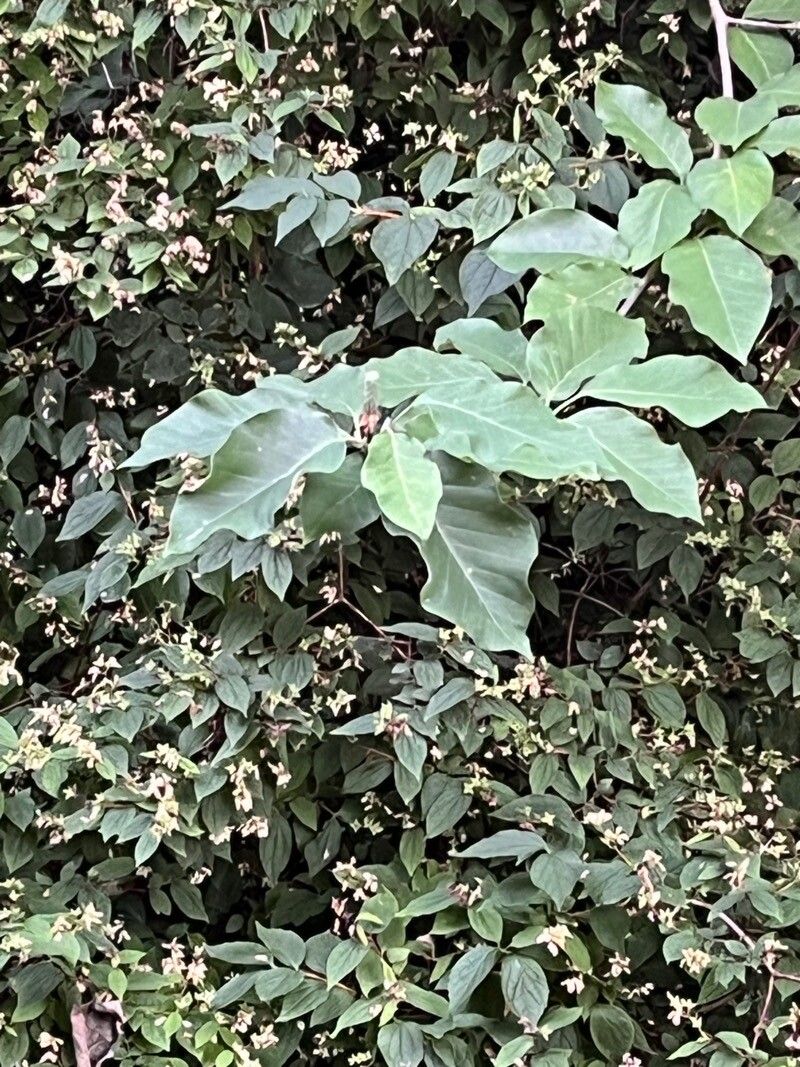
Hey there, fellow plant lovers! Today, we’re diving into a garden gem: Lonicera lanceolata, or as many of us affectionately call it, Willowleaf Honeysuckle. This native beauty is a fantastic choice for any garden, bringing elegant, arching stems and a cascade of lovely, often fragrant, flowers through the summer months. Plus, its berries are a treat for visiting birds! For me, the real joy comes in being able to share these plants, and propagating them is a wonderfully rewarding way to do just that. The good news? Lonicera lanceolata is quite forgiving, making it a good project for beginners eager to expand their green collection.
The Best Time to Start
When it comes to getting the most success with Lonicera lanceolata, timing is everything. I find the sweet spot is late spring to early summer, right after the initial flush of spring growth. You’re looking for semi-hardwood cuttings. These are stems that have started to harden off from their initial soft, green growth, but haven’t completely woody yet. Think of them as being in that perfect stage of flexibility – not too floppy, not too stiff.
Supplies You’ll Need
Before we get our hands dirty, let’s gather our tools:
- Sharp Pruning Shears or a Craft Knife: Clean cuts are crucial for good rooting.
- Rooting Hormone: A powder or gel can give your cuttings a significant boost.
- Small Pots or Seed Trays: About 3-4 inches in size is perfect.
- Well-Draining Potting Mix: A 50/50 blend of peat moss (or coco coir) and perlite works wonderfully. You can also use a specialized seed-starting mix.
- Plastic Bags or a Propagator: To create a humid environment.
- Watering Can with a Fine Rose: For gentle watering.
- Labels: To keep track of your precious cuttings!
Propagation Methods
Let’s get down to business with the most reliable ways to multiply your Willowleaf Honeysuckle.
Stem Cuttings
This is my go-to method for Lonicera.
- Take Your Cuttings: Using your sterilized pruning shears, take cuttings that are about 4-6 inches long from healthy, vigorous stems. Make the cut just below a leaf node (where a leaf attaches to the stem).
- Prepare the Cuttings: Gently remove the leaves from the bottom half of each cutting. If the remaining leaves are very large, you can cut them in half horizontally to reduce water loss.
- Apply Rooting Hormone: Dip the cut end of each prepared cutting into your rooting hormone, tapping off any excess.
- Planting: Fill your pots with the prepared potting mix. Make a small hole in the center with a pencil or your finger, then insert the hormone-coated end of the cutting into the hole. Firm the soil gently around the base.
- Water Gently: Water thoroughly until the mix is evenly moist but not waterlogged.
- Create Humidity: Place your pots inside a plastic bag (tent them over the pot) or in a propagator. This traps humidity, which is vital for cuttings.
Watering Propagation (Less Common, but Possible)
While stem cuttings are my preferred route for Lonicera lanceolata, you can try water propagation with younger, softer stems if you prefer.
- Take Cuttings: Similar to above, take 4-6 inch cuttings, ensuring you have at least two leaf nodes. Remove the lower leaves.
- Place in Water: Fill a clean jar or vase with fresh water. Place the cuttings in the water, making sure the leaf nodes are submerged but the remaining leaves are out of the water.
- Location: Place the jar in a bright spot, but out of direct sunlight.
- Change Water Regularly: Change the water every few days to prevent stagnation and bacterial growth. You should see tiny white roots forming within a few weeks. Once these roots are about an inch long, you can carefully transplant them into potting mix, following the steps for potted cuttings.
The “Secret Sauce” (Pro Tips)
Now, for a few insider tricks that really make a difference:
- Sterilize, Sterilize, Sterilize: I cannot stress this enough. Clean your tools, pots, and even your hands thoroughly. This prevents the spread of diseases that can quickly kill tender cuttings, especially fungal infections.
- Bottom Heat is Your Best Friend: If you have a seedling heat mat, use it! Placing your pots on a gentle heat source (around 70-75°F or 21-24°C) significantly speeds up root development and increases your success rate. It mimics the warmth of summer soil, coaxing those roots to form.
- Don’t Let the Leaves Touch Water (for water propagation): I know I mentioned this, but it bears repeating. Submerged leaves in water are a recipe for rot. They’ll decay and introduce bacteria to your cutting, which can be fatal. Ensure good air circulation around your cuttings.
Aftercare & Troubleshooting
Once you start to see tiny white roots peeking out from the drainage holes or notice new leaf growth, your cuttings are well on their way!
- Gradual Acclimatization: Slowly introduce your newly rooted cuttings to drier air. For bagged cuttings, gradually open the bag more over a few days.
- Transplanting: Once they have a good root system, you can gently transplant them into their own individual pots with a good quality potting mix.
- Watering: Water them regularly, allowing the top inch of soil to dry out slightly between waterings.
- Troubleshooting: The most common cause of failure is rot, usually from overwatering or a lack of air circulation. If your cutting turns mushy, black, or starts to fall apart, it’s usually a sign of rot. Another issue can be dehydration; if the cuttings shrivel and dry out, they weren’t kept humid enough. Don’t be discouraged if not every cutting takes; it’s a natural part of the process!
A Encouraging Closing
Propagating Lonicera lanceolata is such a rewarding way to fill your garden, share with friends, or simply enjoy the magic of plant life unfolding before your eyes. Be patient with your cuttings; they work on their own timeline. Celebrate each tiny root and new leaf as a victory. Happy propagating, and enjoy the beautiful journey!
Resource:
https://identify.plantnet.org/k-world-flora/species/Lonicera%20lanceolata%20Wall./data