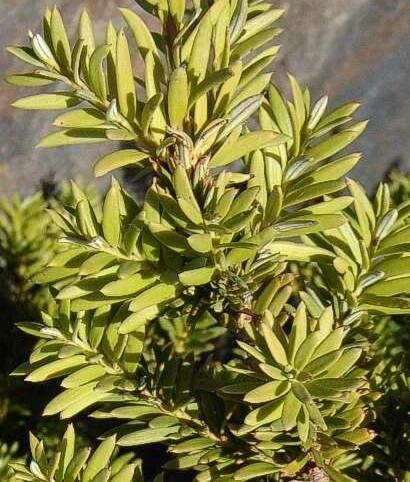
Hello fellow garden enthusiasts! Today, we’re diving into the wonderful world of propagating Saxegothaea conspicua, often called the Prince’s Pine. If you’ve ever admired its elegant, architectural form and those stunning, almost scale-like leaves, you know why it’s a special plant. Propagating it yourself is such a rewarding way to bring that unique beauty into more corners of your garden, or even to share with friends. Now, I’ll be honest, the Prince’s Pine isn’t exactly a “stick it in the ground and it’ll grow” kind of plant. It requires a bit more finesse. But with a little patience and the right approach, it’s absolutely achievable, even for those of you who are just starting to explore the joys of propagation.
The Best Time to Start
When it comes to getting the best results with Saxegothaea conspicua, timing is really key. I’ve found the sweet spot to be in late spring to early summer, when the plant is actively growing. This is when the stems have a good amount of energy stored up, making them more receptive to rooting. Look for new growth that has started to firm up slightly – it should feel less soft and pliable than brand-new, floppy shoots, but not as woody as older branches.
Supplies You’ll Need
Gathering your tools beforehand makes the whole process much smoother. Here’s what I usually have on hand:
- Sharp, clean pruning shears or a sharp knife: This is crucial for making clean cuts.
- Rooting hormone powder: Especially helpful for woody-stemmed plants like this one. Look for one that contains IBA.
- A well-draining potting mix: I often use a blend of equal parts perlite and peat moss, or a commercial seed-starting mix. You want something that allows for good aeration.
- Small pots or seed trays: Clean ones are a must to prevent disease. 4-inch pots are usually a good size to start.
- Plastic bags or a propagator lid: To create a humid environment.
- A dibber or pencil: For making planting holes.
- A heat mat (optional but recommended): This can significantly speed up root development.
- Patience! This is your most important tool.
Propagation Methods
For Saxegothaea conspicua, the most reliable method I’ve found is through stem cuttings. It’s a classic for a reason, and with this plant, it’s usually the most successful.
Stem Cuttings
- Select Your Cuttings: During that late spring/early summer window, find some healthy, semi-hardwood stems. These are newer shoots that have started to harden off. You’re looking for pieces that are about 4-6 inches long. Avoid the very tips of the branches or any older, woody material.
- Make the Cut: Using your sterilized pruning shears or knife, make a clean cut just below a leaf node. A leaf node is where a leaf attaches to the stem. This is where rooting hormones and new roots are most likely to form.
- Prepare the Cutting: Gently remove the lower leaves from about half to two-thirds of the stem. Leave the top few leaves intact, as these are needed for photosynthesis. If the remaining leaves are very large, you can even trim them in half to reduce water loss.
- Apply Rooting Hormone: Dip the cut end of the stem into your rooting hormone powder. Tap off any excess. The hormone helps to encourage root formation.
- Plant Your Cuttings: Fill your clean pots with your well-draining potting mix. Use your dibber or pencil to make a hole in the center of the soil. Gently insert the cutting into the hole, ensuring the part with the removed leaves is below the soil surface. Firm the soil gently around the base of the cutting.
- Water Gently: Water thoroughly but gently, until water drains from the bottom of the pot. You don’t want to dislodge the cuttings.
- Create Humidity: Now, for the crucial step! Cover the pot with a plastic bag, tying it loosely around the rim, or use a propagator lid. This creates a humid microclimate that prevents the cuttings from drying out while they’re trying to root. You can also poke a few small holes in the plastic bag to allow for some air circulation.
The “Secret Sauce” (Pro Tips)
Here are a few little tricks I’ve picked up over the years that can really make a difference:
- The Bottom Heat Boost: This is a game-changer, especially for more stubborn cuttings. Place your pots on a propagator heat mat. A consistent bottom temperature of around 70-75°F (21-24°C) can dramatically speed up rooting and increase your success rate. You’ll often see roots forming much sooner this way.
- Cleanliness is Paramount: I can’t stress this enough. Always use sterilized tools and clean pots. Any lingering bacteria or fungus can quickly lead to rot, and nobody wants that! A quick wipe with rubbing alcohol before you start is a good habit.
- Don’t Be Afraid to Experiment (Slightly): While semi-hardwood cuttings are best, don’t be discouraged if you have some older material. You can try taking cuttings from slightly older, but still green, branches. Just be aware that these might take longer to root, and a stronger rooting hormone might be beneficial.
Aftercare & Troubleshooting
Once your cuttings are planted, the waiting game begins. Keep them in a bright, indirect light spot. Mist the inside of the plastic bag or propagator lid daily to maintain high humidity. Check the soil moisture regularly; it should be kept consistently moist but not waterlogged.
How do you know when they’ve rooted? You can give a gentle tug on a cutting. If you feel resistance, it’s a good sign. You might also see new leaf growth appearing. This is usually the surest indicator. Once you see good root development, you can gradually acclimatize them to lower humidity by opening the bag or propagator lid for increasing periods each day over a week or two.
The most common problem you’ll encounter is rot. If you see a cutting turning black and mushy, it’s best to remove it immediately to prevent it from affecting others. This is usually due to too much moisture and poor air circulation. Remember, slightly moist is good; soggy is not!
A Encouraging Closing
Propagating plants like the Prince’s Pine is a journey, and like any good garden journey, it’s about the process as much as the destination. Don’t get discouraged if your first few attempts aren’t perfect. Each cutting you take is a chance to learn and improve. Be patient, be observant, and trust your instincts. And soon enough, you’ll have your own beautiful Saxegothaea conspicua to enjoy and, perhaps, to share. Happy propagating!
Resource:
https://identify.plantnet.org/k-world-flora/species/Saxegothaea%20conspicua%20Lindl./data