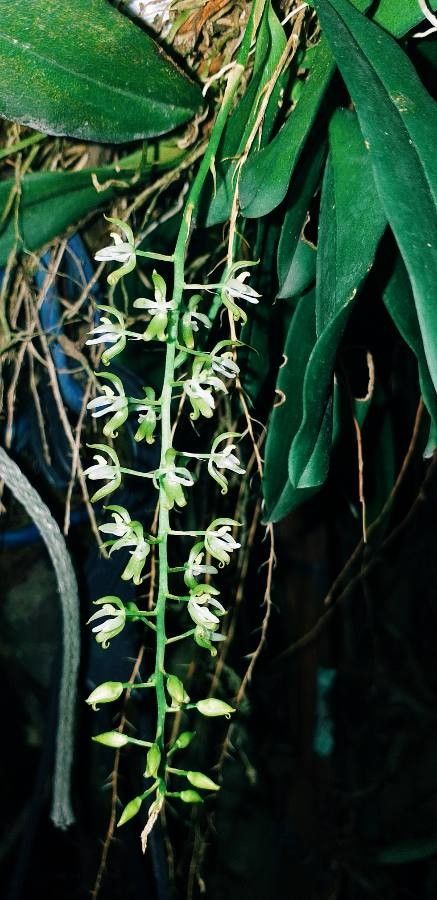
Hello, fellow plant lovers! If you’ve ever gazed at a gorgeous Notylia barkeri and thought, “I wish I could have more of those!” then you’re in the right place. These little orchids are such a joy to cultivate. Their delicate blooms, often a lovely shade of yellow or brown, bring a touch of the tropics right into our homes. And the best part? Propagating them yourself is incredibly rewarding. Now, I wouldn’t say Notylia barkeri is a total walk in the park for absolute beginners, but with a little guidance, it’s definitely achievable. It’s a fantastic project to sink your teeth into as you grow your orchid collection.
The Best Time to Start
For Notylia barkeri, the sweet spot for propagation is generally late spring to early summer. This is when the plant is actively growing after its blooming cycle. You’ll see new growth appearing, which means the plant has plenty of energy to put into creating those crucial new roots. Trying to propagate when the plant is dormant or stressed is just setting yourself up for disappointment.
Supplies You’ll Need
Here’s what I usually gather before I get started. Having everything ready makes the whole process go much smoother:
- Sharp, sterilized pruners or a clean knife: We want clean cuts to prevent disease.
- Orchid bark mix: A good quality, chunky bark mix is essential. Something airy and well-draining is key.
- Orchid pots or containers: Small ones work best for new propagations.
- Perlite or sphagnum moss: For added aeration and moisture retention.
- Rooting hormone (optional but helpful): A powder or gel formulation.
- Spray bottle: For gentle misting.
- Clean water: For misting and, if you choose, water propagation.
- Clear plastic bag or propagation box: To create a humid environment.
- Labels and a marker: So you don’t forget what you’ve planted where!
Propagation Methods
Notylia barkeri is typically propagated through division. Unlike some other orchids that readily produce keikis or are easily grown from stem cuttings (which isn’t really their thing), division is your go-to method.
Here’s how I do it:
- Assess your plant: Look for a mature Notylia barkeri that has at least 2-3 pseudobulbs (those swollen stem-like structures) and a healthy root system. The more robust the parent plant, the better your chances.
- Gently remove from the pot: Carefully ease the orchid out of its current pot. If it’s stuck, you might need to gently squeeze the pot or run a knife around the edge.
- Clean the roots: Gently brush away as much of the old potting medium as you can from the root ball. This allows you to clearly see the rhizome (the creeping stem connecting the pseudobulbs) and where you can make your cuts. You want to expose that horizontal stem.
- Identify divisions: Look for natural growing points where you can separate a section of the plant. Each division should ideally have at least two healthy pseudobulbs and some good roots.
- Make the cut: Using your sterilized pruners or knife, carefully cut through the rhizome to separate the divisions. Make sure each new division has sufficient roots to support itself.
- Treat the cuts: If you’ve had to make a significant cut into the rhizome, or if the old medium was a bit damp, I sometimes dust the cut surface with a bit of cinnamon or a fungicide powder. It’s a bit old-school, but it helps prevent any potential rot from setting in.
- Pot up your new divisions: Plant each division in its own small pot with fresh orchid bark mix. They shouldn’t be buried too deeply; the pseudobulbs should be sitting on top of the mix or just slightly covered.
- Watering: Water the newly potted divisions thoroughly. We want to settle the medium and give those roots a nice drink.
The “Secret Sauce” (Pro Tips)
- Don’t over-pot: It’s tempting to put a tiny division into a big pot, but resist! Smaller pots help prevent the medium from staying too wet and encouraging rot. The young plant needs to quickly use up the moisture available.
- Mimic humidity: Notylia barkeri loves a good amount of humidity, especially when it’s trying to establish new roots. Placing the potted divisions inside a clear plastic bag with a few air holes punched in it, or in a dedicated propagation box, creates a perfect little humid microclimate. Keep this in a spot with bright, indirect light.
- Bottom heat helps immensely: If you have a seedling heat mat, placing your pots on top of it can really encourage root development. It mimics the warm tropical environment they love and gives them that extra boost.
Aftercare & Troubleshooting
Once your new divisions are potted, keep them in that humid environment and away from direct sun.
Watering: Water when the bark mix is just starting to feel dry. Misting the leaves occasionally with your spray bottle can also be beneficial, but be careful not to let water sit in the crown of the pseudobulbs, as this can lead to rot.
Troubleshooting: The most common issue you’ll face is rot. If you notice a pseudobulb turning mushy, black, and smelly, it’s a sign of rot. This often happens from overwatering or poor air circulation. Unfortunately, if rot sets in deeply, the division is usually lost. Your best defense is good watering practices and ensuring excellent drainage from your potting mix. Another sign of struggle is leaf wilting or shriveling. This could mean not enough water, or it could be that the plant isn’t making roots fast enough to support the existing foliage. Be patient; it can take several weeks or even months for new roots to become visible.
A Encouraging Closing
Propagating orchids can feel like a delicate art, but with Notylia barkeri, it’s a journey worth taking. Don’t get discouraged if your first attempt isn’t perfect. Every plant and every division is a learning experience. The joy of watching a new little plant unfurl its first tiny roots and eventually its own beautiful blooms is truly magical. So, grab your pruners, get your hands a little dirty, and enjoy the process! Happy growing!
Resource:
https://identify.plantnet.org/k-world-flora/species/Notylia%20barkeri%20Lindl./data