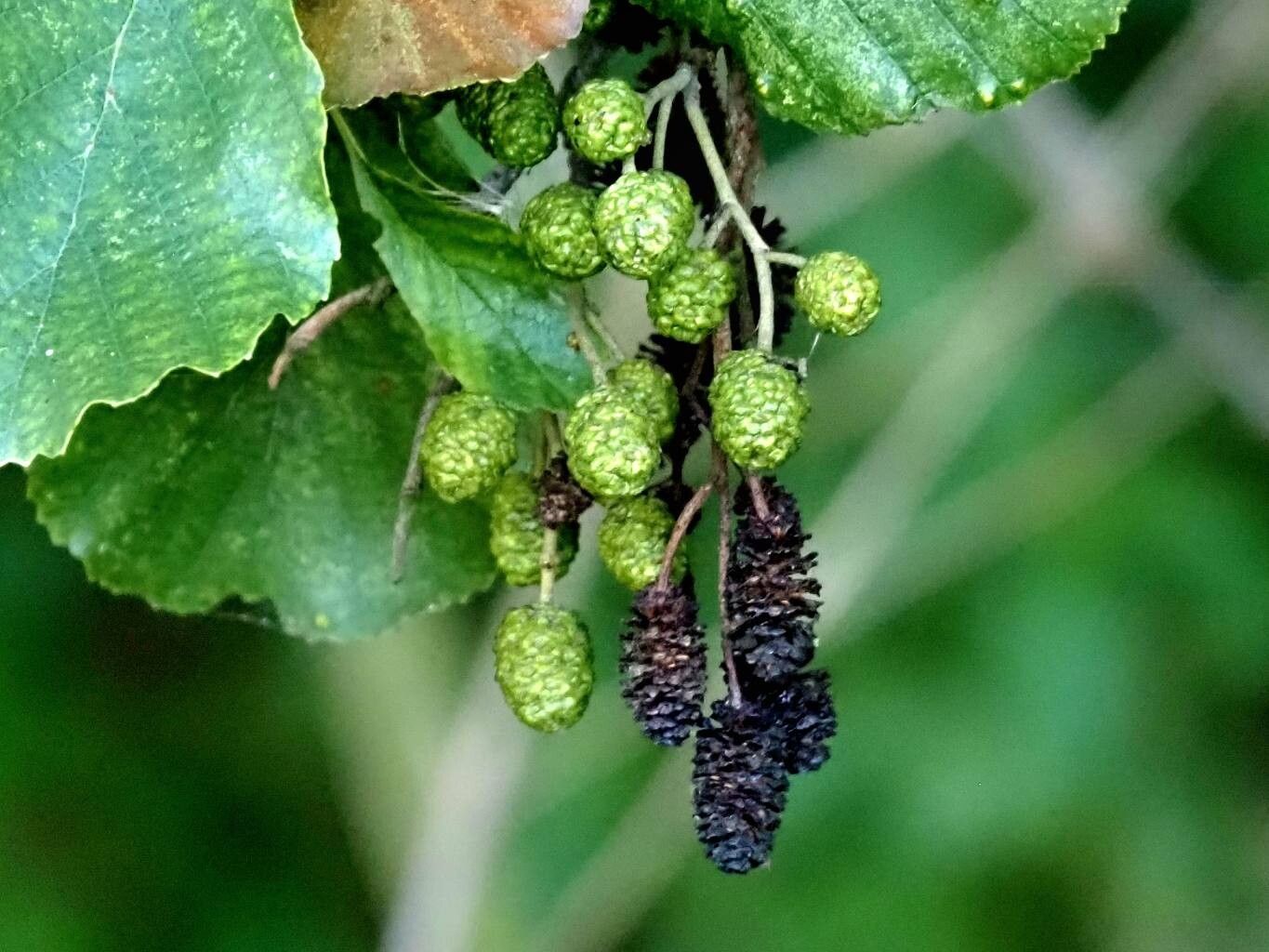
Hey there, fellow plant lovers! Today, we’re diving into the wonderful world of propagating Grey Alder, or Alnus incana. This tree is a real gem for any garden. Its attractive, silvery-grey foliage brings a touch of elegance, and it’s fantastic for improving soil quality, making it a true workhorse. Plus, there’s a special kind of satisfaction you get from watching a brand-new plant sprout from a tiny piece of its parent.
Now, I know for some of you just starting out, the idea of propagation might feel a bit daunting. But I promise, with a little guidance, it’s more approachable than you think. Alnus incana is generally quite forgiving, particularly if you choose the right method and timing. We’ll get you there!
The Best Time to Start
For Grey Alder, late spring to early summer is usually my sweet spot. This is when the plant is actively growing, and its stems are still somewhat flexible and green, but have started to firm up a bit. These are called semi-hardwood cuttings. They have a good balance of flexibility for rooting and enough maturity to resist drying out too quickly. Trying to take cuttings when the wood is too soft can lead to rot, and when it’s too hard, it can struggle to root.
Supplies You’ll Need
Gathering your tools beforehand makes the whole process so much smoother. Here’s what I always have on hand:
- Sharp, clean pruning shears or secateurs: A clean cut is crucial for preventing disease.
- Rooting hormone powder or gel: This isn’t strictly mandatory, but it gives your cuttings a significant boost.
- A well-draining potting mix: I like a blend of peat moss, perlite, and a bit of coarse sand. About equal parts works well.
- Small pots or trays: Make sure they have drainage holes.
- A plastic bag or propagation dome: To create a humid environment.
- Water: For misting and keeping things moist.
- A small trowel or dibber: For making holes to insert your cuttings.
- Optional, but very helpful: A seedling heat mat.
Propagation Methods
Grey Alder can be propagated through a couple of reliable methods. We’ll focus on stem cuttings, as that’s generally the most straightforward for this tree.
Stem Cuttings (Semi-Hardwood)
This is my go-to for Alnus incana.
- Select Your Stems: Look for healthy, current-season growth. You want stems that are about pencil-thick. They should bend slightly without snapping instantly. Avoid any stems with flowers or developing fruit.
- Take the Cuttings: Using your sharp pruners, snip sections of stem about 4 to 6 inches long. Make your cut just below a leaf node (where a leaf attaches to the stem). These nodes are where the magic happens for root development.
- Prepare the Cuttings: Gently remove the leaves from the bottom half of each cutting. If you have any large leaves remaining at the top, you can cut them in half horizontally. This reduces water loss while still allowing for photosynthesis.
- Apply Rooting Hormone: Dip the cut end of each cutting into your rooting hormone powder or gel. Tap off any excess.
- Plant Your Cuttings: Fill your pots or trays with your prepared potting mix. Use your dibber or a pencil to make a hole in the center. Gently insert the hormone-coated end of the cutting into the hole, ensuring the leaf nodes that were buried are in contact with the soil. Firm the soil gently around the base of the cutting.
- Water and Cover: Water the soil thoroughly until it’s moist but not waterlogged. Then, cover the pots with a plastic bag or place them under a propagation dome. This creates a mini-greenhouse effect, keeping humidity high. You can use stakes to keep the plastic bag from touching the leaves.
The “Secret Sauce” (Pro Tips)
Here are a couple of things I’ve learned over the years that really make a difference:
- Never let those leaves touch the water! If you’re using a container with a shallow tray of water to maintain humidity, or even just misting, make sure the leaves stay dry. Excess moisture on the foliage, especially when the cutting can’t yet take up water effectively, is a fast track to fungal diseases that will doom your efforts.
- Bottom heat is your best friend. If you can, place your pots or trays on a seedling heat mat. This slightly warmer soil temperature encourages root formation much more effectively than ambient room temperature alone. It’s like giving those baby roots a cozy, encouraging boost.
Aftercare & Troubleshooting
Once your cuttings are planted and covered, the waiting game begins.
- Location: Place them in a bright, indirect light location. Direct sun will scorch them, but they need light to create energy.
- Humidity: Mist the inside of the plastic bag or prop dome lightly every few days, or whenever you see condensation disappearing. Check the soil moisture by gently poking your finger in; if it feels dry an inch down, give it a light watering.
- Rooting: You’ll know your cuttings have rooted when you see new leaf growth appearing. This can take anywhere from 4 to 8 weeks, sometimes longer. You can also gently tug on a cutting; if there’s resistance, roots have likely formed.
- Troubleshooting: The most common issue is rot. If you see stems turning black and mushy, it’s usually a sign of too much moisture and poor air circulation. If this happens, remove the affected cuttings immediately to prevent it from spreading. A slightly drier soil mix and better ventilation (briefly lifting the bag or prop dome) can help. If they simply fail to show any signs of life after a couple of months, they might not have rooted. Don’t be discouraged – it happens to the best of us!
A Encouraging Closing
So there you have it! Propagating Alnus incana is a rewarding journey, and with a little patience and these tips, you’ll be well on your way to creating new life for your garden. Don’t be afraid to experiment, learn from each attempt, and most importantly, enjoy the process of nurturing these little green wonders. Happy propagating!
Resource:
https://identify.plantnet.org/k-world-flora/species/Alnus%20incana%20(L.)%20Moench/data