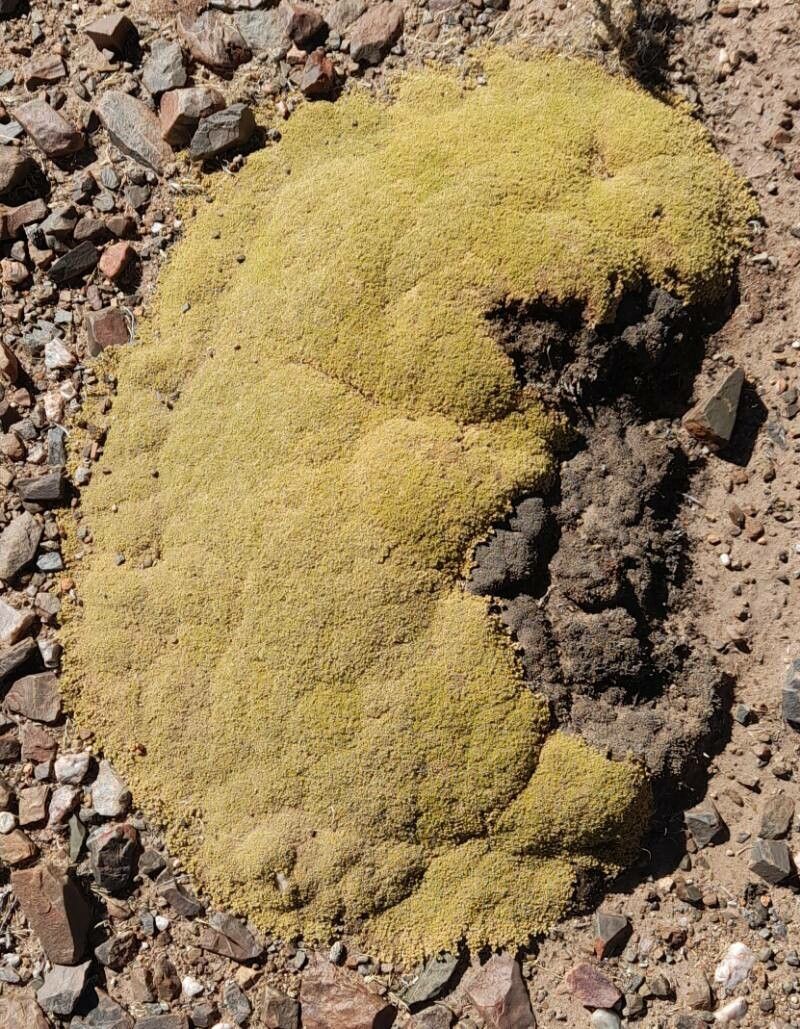
Welcome, fellow plant lovers! Today, we’re diving into the delightful world of Frankenia triandra, also known as creeping Frankenia. If you’re looking for a tough, low-growing groundcover that offers delicate starry flowers and handles coastal conditions like a champ, you’ve found your plant. And the best part? Sharing this beauty with friends (or just filling more spots in your own garden!) is incredibly rewarding. For beginner gardeners, I’d say Frankenia triandra is a moderately easy plant to propagate. It’s not as foolproof as, say, a pothos, but with a little care and these tips, you’ll be successful.
The Best Time to Start
My experience tells me that late spring to early summer is your golden window for propagating Frankenia triandra. This is when the plant is actively growing, so it has the vigor to produce new roots. I’ve had success with cuttings taken in early autumn too, but the spring-initiated ones tend to establish themselves a bit more readily before the cooler weather sets in.
Supplies You’ll Need
Before we get our hands dirty, let’s gather our tools. Having everything ready makes the process so much smoother:
- Sharp pruning shears or a clean knife: For making clean cuts.
- Rooting hormone powder or gel (optional but recommended): This really gives your cuttings a boost.
- Propagation trays or small pots: Yogurt cups with drainage holes work in a pinch!
- A well-draining potting mix: I like a blend of equal parts peat moss or coco coir, perlite, and sharp sand.
- Small plastic bags or a clear plastic dome: To create a humid environment.
- Spray bottle: For misting.
- Labels: So you don’t forget what you’ve planted!
Propagation Methods
For Frankenia triandra, my go-to method is stem cuttings. It’s straightforward and yields great results.
- Take the Cuttings: On a bright but not scorching hot day, select healthy, non-flowering stems from a mature plant. Using your clean shears, cut lengths of about 4-6 inches. Make sure each cutting has at least two or three sets of leaves.
- Prepare the Cuttings: Gently remove the leaves from the bottom half of each cutting. This prevents them from rotting once they’re in the soil.
- Apply Rooting Hormone (Optional): Dip the cut end of each cutting into your rooting hormone. Just a light coating is all you need.
- Plant the Cuttings: Fill your pots or trays with your prepared potting mix. Make a small hole with a pencil or your finger and carefully insert the cuttings, ensuring the stripped part of the stem is below the soil surface. Gently firm the soil around them.
The “Secret Sauce” (Pro Tips)
Here are a couple of things I’ve learned over the years that can really make a difference:
- Bottom Heat is Your Friend: While not strictly essential, placing your propagation tray on a heat mat designed for plants can significantly speed up rooting. It mimics the warmth of spring and encourages those roots to form faster. You can often find these online or at garden centers.
- Don’t Over-Water, Mist Just Right: It’s tempting to keep the soil constantly wet, but this can lead to rot. I prefer to water thoroughly initially, then let the top centimeter of soil dry out slightly between waterings. Misting the leaves occasionally with your spray bottle helps keep humidity high without waterlogging the soil.
Aftercare & Troubleshooting
Once your cuttings are planted, create a mini-greenhouse effect. Cover the pots with a clear plastic bag (gently, so it doesn’t touch the leaves) or place a clear dome over them. Keep them in a bright spot, but out of direct, intense sunlight.
Check your cuttings regularly. You’re looking for signs of new growth, which is usually the first indicator that roots are forming. This can take anywhere from 3 to 6 weeks. Once you see new leaves emerging, you know they’re well on their way. You can gently tug on a cutting – if it resists, you’ve got roots! Gradually acclimatize your new plants to normal humidity by removing the cover for longer periods over a week before transplanting them into slightly larger pots.
The most common issue you might encounter is rot. If you see a cutting turning black and mushy, it’s usually a sign of too much moisture or poor drainage. Sadly, these usually can’t be saved, so remove them promptly to prevent it from spreading. Sometimes, cuttings just fail to root for no apparent reason, and that’s part of the gardening adventure!
So there you have it! Propagating Frankenia triandra is a truly rewarding process. Be patient, keep an eye on your little green soldiers, and don’t be discouraged if not every single cutting takes. Gardening is all about learning, experimenting, and celebrating those successes. Happy propagating!
Resource:
https://identify.plantnet.org/k-world-flora/species/Frankenia%20triandra%20J.Rémy/data