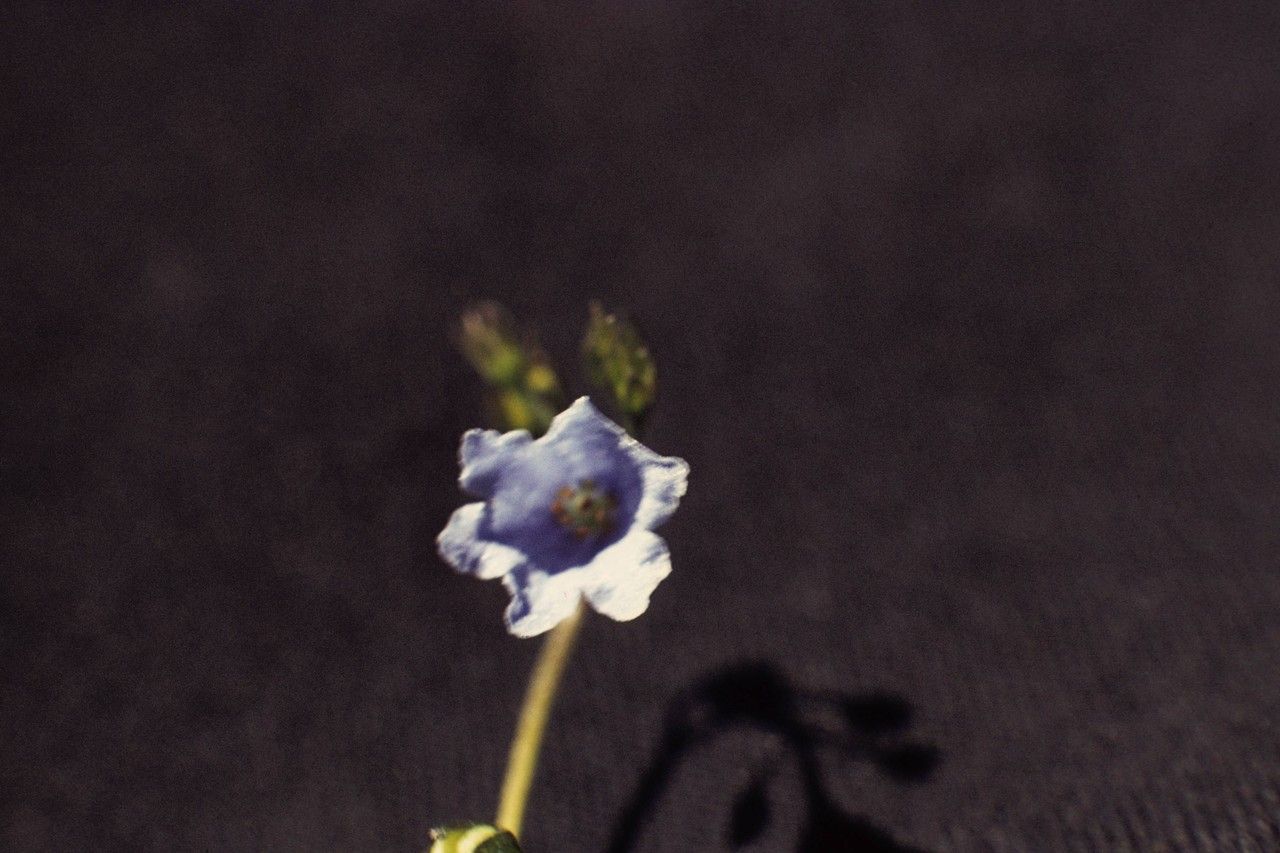
Hello, fellow plant lovers! Today, we’re diving into the delightful world of Mertensia bella, a plant that truly captures the spirit of spring with its lovely blue, bell-shaped flowers. I’ve found it brings such a sweet, understated charm to any garden border. Propagating it is a wonderful way to share its beauty, or simply fill your own space with more of these delicate blooms. While Mertensia bella isn’t the easiest plant to propagate from seed, getting new plants from divisions is quite manageable, even for those just starting their propagation journey!
The Best Time to Start
For the most success with Mertensia bella, I always recommend propagating in early spring. This is right after the last frost but before the plant gets too bogged down in flowering and summer heat. You want to catch it when it’s actively growing and has plenty of energy to put into developing new roots. If you miss that window, the fall, just as the weather starts to cool down, can also be a good time for divisions.
Supplies You’ll Need
Gathering your tools beforehand makes the whole process so much smoother. Here’s what I always have on hand:
- Sharp, clean pruning shears or a sharp knife: Essential for making clean cuts.
- Well-draining potting mix: A good mix of peat moss, perlite, and compost works wonders. You can also find specific potting soils for perennials that are excellent.
- Small pots or trays: For your cuttings or divisions.
- Rooting hormone (optional but helpful): Especially for stem cuttings, this can give your new plant a little boost.
- Watering can or mister: For gentle watering.
- Labels and a marker: To keep track of what you’ve planted and when!
- A trowel: For dividing established plants.
Propagation Methods
Mertensia bella is most successfully propagated through division. This is where you take a mature plant and carefully split its root system and crown into smaller sections, each capable of growing into a new plant.
Here’s how I do it:
- Carefully dig up the parent plant. I like to use a garden fork for this, working around the edges of the clump to avoid damaging the roots too much. Gently lift the whole plant out of the soil.
- Gently loosen the soil from the roots. You can do this by hand or with a gentle spray of water. You want to see the root ball clearly.
- Identify natural divisions. Look for where the plant naturally wants to split. You should see distinct crowns or clumps of stems emerging from the root system.
- Divide the plant. You can often pull these divisions apart with your hands, especially if the plant is young. For older, more established clumps, you might need to use your clean pruning shears or knife to make a cut through the root ball and any tough, woody bits. Make sure each division has at least one healthy crown (where the stems emerge) and a good portion of roots.
- Replant the divisions immediately. Give them a good drink of water. They’ll settle in and start growing their own roots again.
(If you’re feeling adventurous, you can also try stem cuttings, but divisions are generally more reliable for this particular Mertensia.)
The “Secret Sauce” (Pro Tips)
- Don’t let those divisions dry out! This is crucial. Once you’ve dug them up, keep them moist. I often have a bucket of water nearby to dunk them in if I’m going to be a while. Replanting them swiftly is key.
- Give them some breathing room. When replanting divisions, don’t cram them too close together. They might be small now, but they’ll grow! Planting them with adequate space helps prevent overcrowding and disease later on.
- Foliage protection. If you do attempt cuttings (though I lean towards divisions), never let the leaves touch the water. This promotes rot. Use a support system or trim the leaves so they stay above the waterline.
Aftercare & Troubleshooting
Once your new Mertensia bella divisions are planted, water them regularly and deeply, especially during their first growing season. This helps them establish strong root systems. Keep them well-watered but avoid waterlogged soil, as this can lead to root rot. You might see a little bit of wilting as they adjust, which is normal.
The most common sign of failure is rot. If you notice mushy, discolored stems or roots, or the whole plant seems to be collapsing unnaturally, it’s likely due to too much moisture. If you catch it early, you might be able to save the healthier parts, but often rot is hard to come back from. If your plant just isn’t growing, it might not have established enough roots. Be patient; some plants take their time!
Keep Growing!
There you have it! Propagating Mertensia bella through division is a truly rewarding experience. It’s a gentle way to multiply your garden treasures and, with a little care, you’ll soon have an abundance of those lovely blue bells. Don’t be discouraged if your first few attempts aren’t perfect. Gardening is a journey, and each plant teaches us something new. Enjoy the process, and happy propagating!
Resource:
https://identify.plantnet.org/k-world-flora/species/Mertensia%20bella%20Piper/data