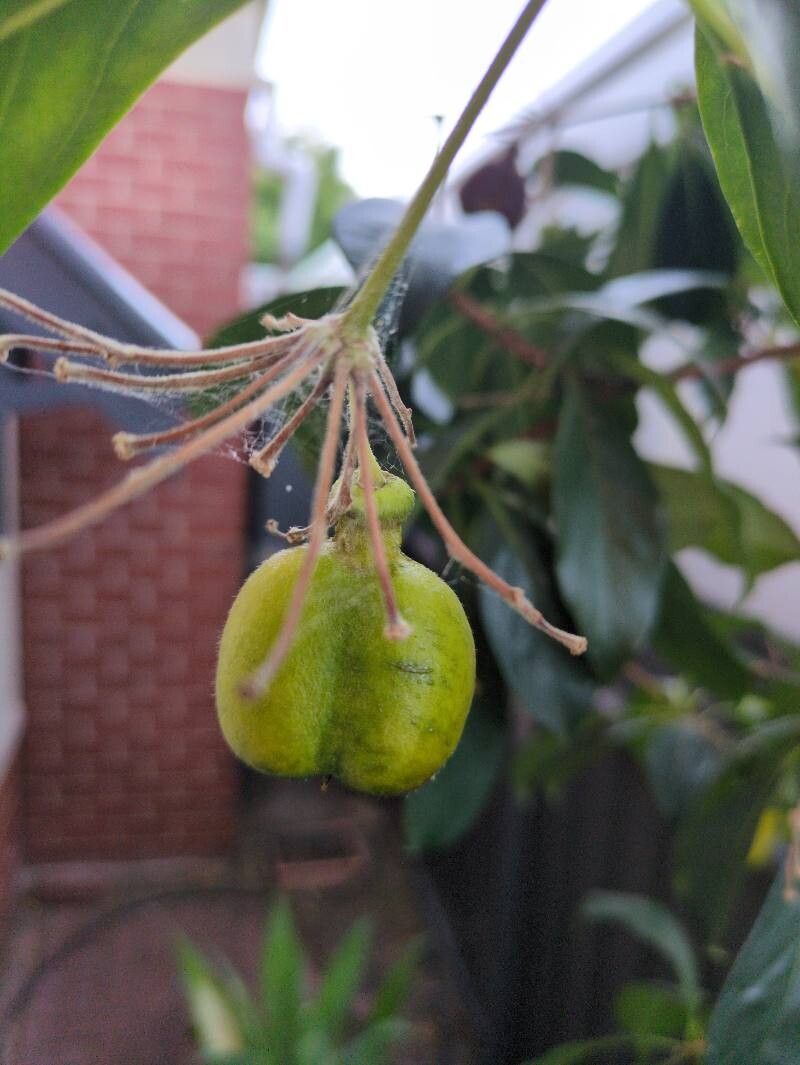
Oh, welcome, fellow plant lovers! Today, we’re diving into a truly delightful topic: propagating the gorgeous Hymenosporum flavum, often known as Native Frangipani or Sweet Shade. If you’ve ever been captivated by its fragrant, creamy-yellow flowers and glossy, dark green leaves, you’re not alone! Bringing new life into the world from an existing plant is one of the most rewarding aspects of gardening, and with this beauty, it feels extra special.
Now, I know some of you might be wondering, “Is this a tricky one?” Honestly, I find Hymenosporum flavum to be a pretty forgiving plant when it comes to propagation, especially compared to some of its fussier cousins. So, if you’re relatively new to the propagation game, this is a fantastic one to try.
The Best Time to Start
For the highest success rate, I always recommend taking cuttings in the late spring or early summer. This is when the plant is actively growing, and the stems are mature enough to root but still have plenty of energy to put into developing new roots. You’re essentially catching it at its peak growth spurt. Avoid taking cuttings from flowering stems, as the plant will be directing its energy into those blooms.
Supplies You’ll Need
Gathering your tools before you start makes the whole process smoother. Here’s what I usually have on hand:
- Sharp pruning shears or a clean, sharp knife: For taking clean cuttings. A dull tool can crush the stem and hinder rooting.
- Rooting hormone (optional, but recommended): Especially helpful for faster and more robust root development. Look for a powder or gel specifically for softwood or semi-hardwood cuttings.
- Well-draining potting mix: A good blend is typically equal parts perlite and peat moss or coco coir. You don’t want anything too heavy that will hold excess moisture. Some growers also like to add a little bit of coarse sand.
- Small pots or seedling trays: Clean pots are a must to prevent fungal diseases.
- Plastic bags or a propagator: To create a humid environment around the cuttings. A clear plastic bag supported by stakes works wonders.
- Labels and a waterproof marker: For keeping track of what you’ve planted and when!
- Water: For misting and watering.
Propagation Methods
While you can try starting these from seed, taking stem cuttings is far more common and generally easier for home gardeners.
Stem Cuttings
- Select your cutting material. Look for a healthy stem that is semi-hardwood – meaning it’s not brand new and soft, but not old and woody either. It should be flexible enough to bend slightly without snapping. Aim for cuttings about 10-15 cm (4-6 inches) long.
- Take the cutting. Using your clean, sharp pruning shears or knife, make a clean cut just below a leaf node. A leaf node is where a leaf attaches to the stem; this is where plant hormones are concentrated and roots are most likely to form.
- Prepare the cutting. Gently remove the lower leaves from the cutting, leaving just a few leaves at the top. If the remaining leaves are very large, you can cut them in half horizontally to reduce water loss through transpiration. This is crucial!
- Apply rooting hormone (if using). Dip the cut end of the stem into water, then into the rooting hormone powder or gel. Tap off any excess.
- Insert into the potting mix. Make a small pilot hole in your well-draining potting mix using a pencil or dowel. This prevents you from rubbing off the rooting hormone when you insert the stem. Place the cutting into the hole, ensuring the leaf nodes are below the soil surface. Gently firm the soil around the base of the cutting.
- Provide humidity. Water the soil gently until it’s evenly moist but not waterlogged. Then, cover the pot or tray with a clear plastic bag or place it in a propagator. Make sure the bag doesn’t touch the leaves, as this can encourage rot. You can use a few chopsticks or stakes to prop it up.
- Place in a warm spot. Find a bright location with indirect light. Avoid direct sunlight, which can scorch the delicate cuttings and overheat the propagator.
The “Secret Sauce” (Pro Tips)
Here are a couple of things I’ve learned over the years that can really boost your success:
- Bottom Heat is Your Friend: Hymenosporum flavum really appreciates a bit of warmth from below, especially when trying to root in cooler conditions. I often use a heat mat designed for seedlings. It encourages root development much faster than relying on ambient room temperature. Just be sure to monitor the soil temperature to prevent overheating.
- Don’t Drown Your Cuttings: While humidity is vital, soggy soil is the fastest way to invite root rot. Your potting mix should be moist but never waterlogged. I like to check the moisture level by gently pressing down on the soil. If it feels squishy, it’s too wet. A good sign is when you can squeeze a bit of soil and only a few drops of water come out.
- Air Circulation Matters Too: While we want humidity, stagnant air can also be a problem. I like to ventilate the propagator for a few minutes each day to allow for fresh air exchange. This helps prevent fungal issues from taking hold.
Aftercare & Troubleshooting
Once your cuttings have developed roots, you’ll start to see tiny new leaves or shoots appearing. This is your cue!
- Rooting Time: Be patient! It can take anywhere from 4 to 8 weeks, sometimes even longer, for Hymenosporum flavum cuttings to root. You can gently tug on a cutting; if there’s resistance, roots are forming.
- Acclimatization: Once you see good root growth, it’s time to gradually acclimatize your new plants to drier air. Start by removing the plastic bag or propagator lid for a few hours each day, slowly increasing the time until they are fully exposed.
- Potting Up: When they are large enough to handle and have a decent root system, carefully pot them up into slightly larger pots with a good quality, well-draining potting mix.
- Troubleshooting:
- Wilting and Drooping: This is often a sign of insufficient moisture at the roots or too much direct sun. Double-check your watering and ensure they’re in bright, indirect light.
- Yellowing Leaves: If the lower leaves are turning yellow and dropping, and there’s no clear sign of rot, it can sometimes mean the cutting lacks sufficient light. Move them to a brighter spot.
- Rot: If the stem turns black and mushy, or if there’s a fuzzy mold on the soil surface, this is stem rot. Sadly, this cutting is usually lost. The best prevention is good drainage and avoiding overwatering. Sometimes, cutting off the rotted part and trying to root the healthy section can work, but it’s a long shot.
A Little Patience, A Lot of Joy
Propagating plants, especially something as lovely as Hymenosporum flavum, is a journey. There will be successes, and sometimes, you’ll have a few failures – that’s just part of the learning curve! Don’t get discouraged. Observe your cuttings, learn from them, and celebrate every tiny new leaf or emerging root. Before you know it, you’ll have more of these fragrant beauties to enjoy and even share with friends. Happy propagating!
Resource:
https://identify.plantnet.org/k-world-flora/species/Hymenosporum%20flavum%20(Hook.)%20F.Muell./data