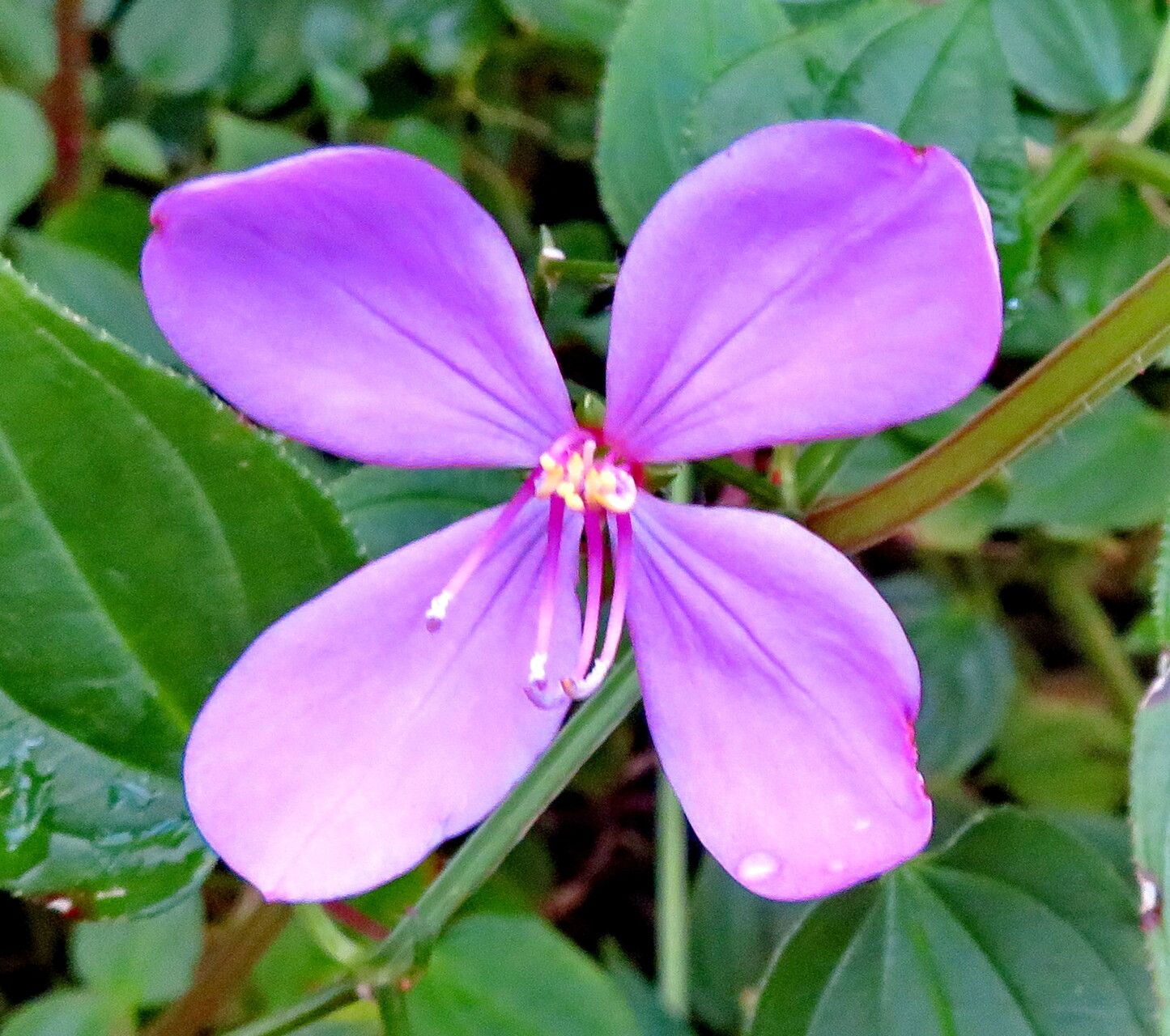
Oh, hello there! I’m so glad you’re interested in coaxing more of those gorgeous Arthrostemma ciliatum plants into existence. Honestly, there’s something incredibly satisfying about taking a healthy plant and knowing you can create another one, all from a little piece of it. Arthrostemma ciliatum, with its delicate, often velvety leaves and surprising bursts of beauty, is a real charmer. And guess what? While no plant is entirely foolproof, propagating this one is surprisingly achievable, even for those of you just dipping your toes into the world of plant propagation. It’s a rewarding journey, and I’m happy to share my tried-and-true methods with you.
The Best Time to Start
For the highest success rate, I always find that late spring through early summer is your golden ticket. This is when the plant is in its most vigorous growth phase. It has plenty of energy to spare, making propagation much easier. Aim to take cuttings from healthy, actively growing stems, not woody or too-young, floppy ones.
Supplies You’ll Need
Before we dive in, let’s gather our little arsenal. Having everything ready beforehand makes the whole process flow so much smoother.
- Sharp, clean pruning shears or a craft knife: Sterilize them! This is non-negotiable for preventing disease.
- Rooting hormone (optional but recommended): A powder or gel form works wonderfully. It gives those new roots a little boost.
- Well-draining potting mix: I have a favorite mix for cuttings: equal parts perlite, coco coir, and a bit of worm castings. You can also buy a good quality seed-starting mix and add extra perlite.
- Small pots or trays: Clean pots are best. Terracotta pots are great because they allow the soil to breathe.
- Plastic bags or domes: To create a humid environment for your cuttings.
- Watering can or spray bottle: For gentle watering.
- Labels and a marker: Trust me, you’ll thank yourself later!
Propagation Methods
Let’s get our hands dirty! Arthrostemma ciliatum is quite agreeable to propagation via stem cuttings.
Stem Cuttings: My Go-To
This is the most common and, in my experience, the most successful method for Arthrostemma ciliatum.
- Select Your Stem: Find a healthy, semi-hardwood stem that’s about 4-6 inches long. You want a stem that bends a little but doesn’t snap easily.
- Make the Cut: Using your sterilized shears or knife, make a clean cut just below a leaf node. A leaf node is where a leaf attaches to the stem – this is where roots are most likely to form.
- Prepare the Cutting: Gently remove the lower leaves from the cutting, leaving just 2-3 leaves at the top. This prevents them from rotting in the soil. If the remaining leaves are very large, you can even cut them in half to reduce water loss.
- Dip in Rooting Hormone (Optional): If you’re using rooting hormone, dip the cut end of the stem into water (to help the powder adhere), then into the rooting hormone. Tap off any excess.
- Planting Time: Fill your clean pots with your well-draining potting mix. Make a small hole in the center of the soil with your finger or a pencil.
- Insert the Cutting: Gently insert the cut end of the stem into the hole, then firm the soil around it to ensure good contact.
- Water Gently: Water the soil thoroughly until it’s evenly moist but not soggy. A gentle spray from a bottle is often best initially.
- Create Humidity: This is key! Cover the pot with a clear plastic bag, cinching it at the base with a rubber band, or place it under a clear dome. This creates a miniature greenhouse effect.
- Find a Spot: Place your pots in a bright location with indirect light. Avoid direct sunlight, which can scorch the tender cuttings.
Water Propagation (A Looker!)
While I find soil propagation more reliable for long-term establishment, water propagation can be fun to watch.
- Prepare the Cutting: Follow steps 1-3 above.
- Find a Vessel: Use a clean glass jar or vase.
- Add Water: Fill the vessel with fresh water.
- Submerge the Node: Place the cutting in the water, making sure that at least one leaf node is submerged. Crucially, ensure that none of the leaves themselves are touching the water.
- Location: Just like with soil cuttings, place it in bright, indirect light.
- Change Water Regularly: This is super important! Change the water every 2-3 days to keep it fresh and prevent bacteria buildup. You’ll start to see roots emerge!
- Potting Up: Once the roots are about an inch long, you will need to transfer them to soil using the method outlined for stem cuttings. Be gentle; those baby roots are fragile!
The “Secret Sauce” (Pro Tips)
Now for a couple of my little tricks that tend to make a big difference.
- Don’t let the leaves touch the water: This is SO important in water propagation. Any leaf submerged will likely rot, and that can take down your whole cutting. Check regularly and trim if needed.
- Bottom heat is your friend: If you can invest in a propagation mat, this can significantly speed up root development. It provides gentle warmth to the base of the cuttings, encouraging faster root growth.
- Patience, young grasshopper: Seriously, this is more of a philosophy than a tip! Some cuttings root in a few weeks, others take a couple of months. Don’t give up too soon. If the stem is still firm and green, there’s still hope.
Aftercare & Troubleshooting
Once you see signs of new growth – tiny leaves or a gentle tug on the stem showing resistance (the sign of roots!) – it’s time for a little extra love.
- Gradually Acclimate: If you’ve been using a plastic bag, slowly start to introduce your cuttings to drier air over a few days. Lift the bag for an hour, then two, and so on.
- Water Wisely: Continue to water when the top inch of soil feels dry. Avoid overwatering, which is the quickest way to invite disaster.
- Light Needs: Once established, your new plant will appreciate bright, indirect light.
- Trouble Signs: The most common culprit is rot. If your cutting turns mushy, black, or smells funky, it’s likely gone. This is usually due to overwatering, poor drainage, or inadequate air circulation. If you see just a bit of rot on one cutting, isolate it immediately to prevent it from spreading.
A Little Encouragement to Finish
Witnessing new life emerge from a small piece of your beloved Arthrostemma ciliatum is a truly magical experience. Remember to be patient with yourself and with your little propagations. Not every single cutting will make it, and that’s perfectly okay. Every gardener has had their share of failed attempts – it’s part of the learning process. Enjoy the journey, celebrate the successes, and happy propagating!
Resource:
https://identify.plantnet.org/k-world-flora/species/Arthrostemma%20ciliatum%20Pav.%20ex%20D.Don/data