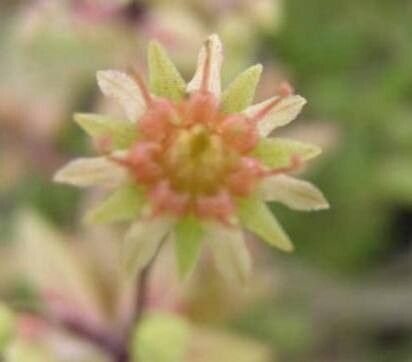
Hello there, fellow plant enthusiasts! Today, we’re going to dive into the delightful world of Monanthes anagensis. If you’re looking for a succulent that’s a bit different, with its delicate, star-shaped rosettes and charming growth habit, you’ve come to the right place. Propagating these little beauties is incredibly rewarding, and honestly, not as tricky as you might think. Even if you’re just dipping your toes into propagation, Monanthes anagensis is a fantastic plant to start with.
The Best Time to Start
For the highest success rate, spring and early summer are your golden windows of opportunity. This is when the plant is actively growing and has the energy to put into forming new roots. You’ll typically see the best results when you take cuttings from healthy, mature stems that have had a chance to plump up a bit.
Supplies You’ll Need
Gathering your tools beforehand makes the whole process smoother. Here’s what I usually have on hand:
- Well-draining succulent or cactus soil mix: This is non-negotiable!
- Clean, sharp pruning shears or a sterile knife: To make clean cuts.
- Small pots or seed trays: Whatever suits your propagation space.
- Optional: Rooting hormone (powder or liquid): While not strictly necessary for Monanthes anagensis, it can give your cuttings a little boost.
- Optional: Spray bottle: For gentle misting.
- Optional: Bottom heat mat: Especially helpful if your indoor temperatures are a bit cool.
Propagation Methods
Let’s get our hands dirty! I find stem cuttings to be the most reliable method for Monanthes anagensis.
Stem Cuttings:
- Select a healthy stem. Look for a stem that’s not too leggy but has a good rosette at the tip.
- Make a clean cut. Using your clean, sharp shears or knife, cut the stem about 1-2 inches below the rosette. Try to make a single, decisive cut.
- Allow to calluse. This is a crucial step! Place your cuttings in a dry, airy spot out of direct sunlight for 2-5 days. You want the cut end to dry and form a callus. This prevents rot.
- Prepare the pot. Fill your small pot or tray with your well-draining succulent mix.
- Plant the cutting. Once callused, gently insert the cut end of the stem into the soil. You can dip it in rooting hormone if you’re using it. I usually push it down about an inch or so, making sure the rosette is well above the soil line.
- Water lightly. After planting, give the soil a very light watering. You want it moist, not soggy.
- Find the right spot. Place your pots in a bright location with indirect sunlight. Avoid harsh, direct sun, which can scorch delicate new growth.
Division:
Sometimes, mature Monanthes anagensis will produce offsets (baby plants) at their base.
- Gently remove the plant from its pot.
- Carefully tease apart any offsets that have their own root system. If they don’t have roots yet, treat them like stem cuttings above.
- Let any broken roots or cuts calluse for a day or two before replanting.
- Pot the offset in its own well-draining soil mix and water lightly.
The “Secret Sauce”
Here are a couple of things I’ve learned over the years that really make a difference:
- Don’t crowd your cuttings. Give them a bit of breathing room in the pot. This helps with air circulation and reduces the risk of fungal issues.
- Bottom heat is your friend. If you struggle to get cuttings to root, especially in cooler months, placing your pots on a gentle bottom heat mat can significantly speed up the process. It mimics the warmth of spring soil.
Aftercare & Troubleshooting
Once your cuttings have been in the soil for a couple of weeks, you can start to check for roots. Gently tug on a leaf; if you feel resistance, you’ve got roots!
- Start watering more regularly, but still allow the soil to dry out between waterings. The new plant will have a more established root system now, but it’s still a baby, so don’t overdo it.
- Gradually introduce more light. As the plant grows stronger, you can move it into brighter conditions, again, keeping an eye out for scorching.
The most common issue you’ll encounter is rot. If you see your cutting turning mushy and discolored, it’s usually a sign of too much moisture or not enough air circulation. Unfortunately, once rot sets in, it’s very hard to save. This is why those first few steps – clean cuts and proper callusing – are so vital.
A Little Encouragement
Propagating succulents like Monanthes anagensis is all about patience and observation. Don’t get discouraged if not every cutting takes. Each attempt is a learning opportunity. Enjoy the process, celebrate your successes, and marvel at how these tiny bits of plant life can grow into something so beautiful! Happy gardening!
Resource:
https://identify.plantnet.org/k-world-flora/species/Monanthes%20anagensis%20Praeger/data